Introduction: The Mirror of Society in a Syringe
In a world where a Botox injection can be as much a status symbol as a designer handbag, medical aesthetics (med-aesthetics) has become more than a quest for personal beauty—it』s a cultural battlefield where class, identity, and social capital collide. Walk into any upscale clinic in a metropolitan city, and you』re not just witnessing a transaction for smoother skin or sharper jawlines; you』re observing a complex ritual of self-presentation and social positioning. Med-aesthetics, often framed as a personal choice, is deeply embedded in the structures of tiered society. From the discreet fillers favored by the upper echelons to the bold, transformative procedures embraced by aspirational classes, beauty practices are coded with symbols of belonging and exclusion. This isn』t just about looking good; it』s about looking “right” for your social tribe. In this exploration, we』ll decode how med-aesthetic choices reflect tiered culture, how taste in beauty is socially constructed, and why understanding these dynamics is essential for professionals in the industry to truly connect with their clients』 unspoken motivations.
The Class Canvas: Beauty as a Social Signature
Let』s start with the undeniable: med-aesthetic choices are rarely just about aesthetics—they』re about signaling. In the same way that a tailored suit or a specific accent can mark one』s social standing, the decision to undergo a subtle rhinoplasty or opt for a full-face filler package often speaks volumes about one』s class identity. Sociologist Pierre Bourdieu』s concept of cultural capital is particularly illuminating here. Cultural capital—those intangible assets like education, taste, and social know-how—shapes how individuals navigate the world, including how they curate their appearance. For the elite, beauty interventions are often understated, almost invisible: a touch of Botox to maintain a “well-rested” look, or a laser treatment to preserve an effortless glow. These choices align with a cultural code that values restraint and naturalness as markers of sophistication. Think of the archetype of the Upper East Side matron or the Silicon Valley tech heiress—their beauty work whispers wealth, not shouts it.
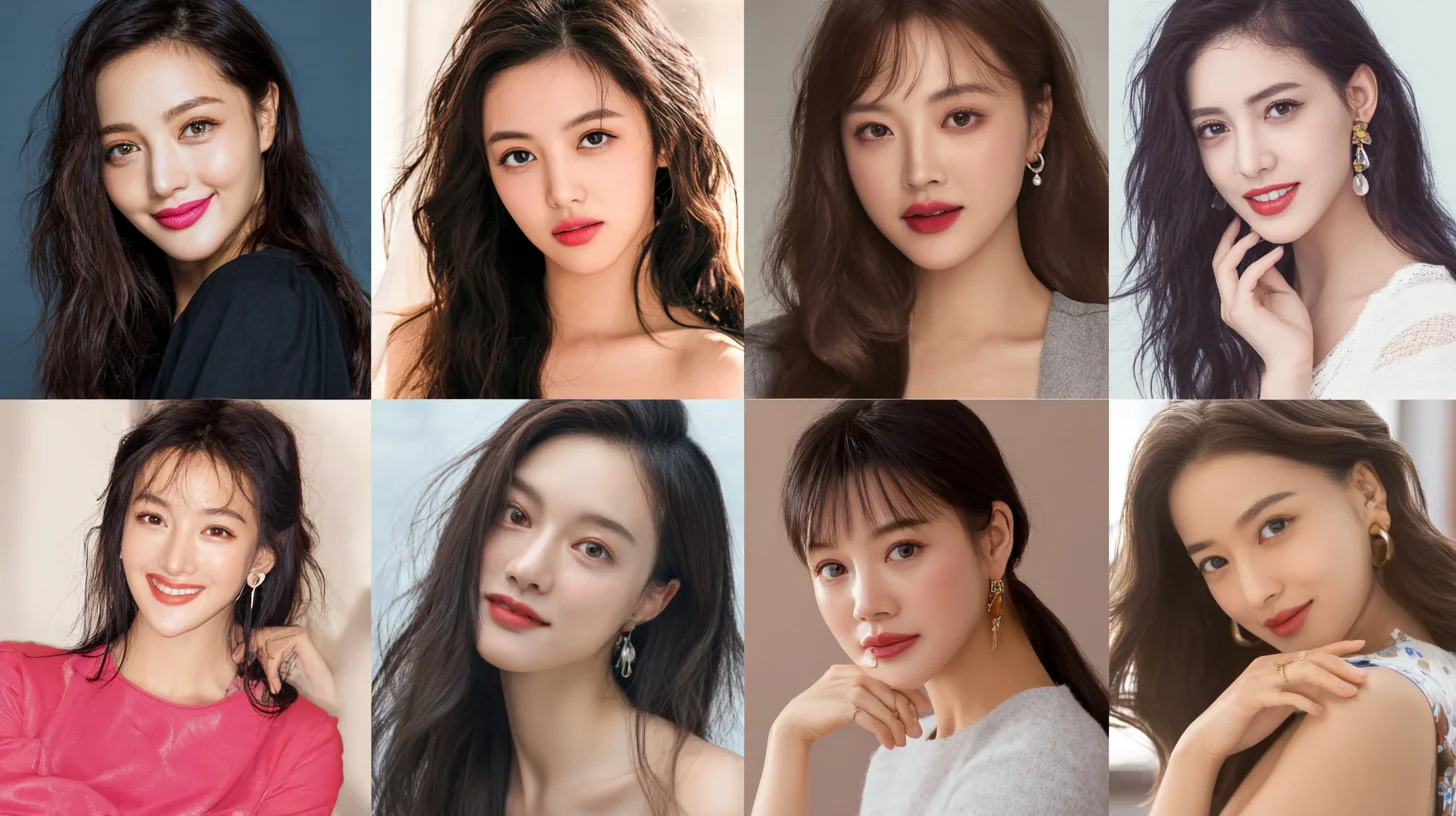
Contrast this with the aesthetic preferences often seen in upwardly mobile or working-class communities, where med-aesthetics can take on a more pronounced, transformative quality. Dramatic lip fillers, heavily contoured cheekbones, or even full-body sculpting procedures can signal a break from one』s origins, a visible declaration of having “made it.” Here, beauty becomes a form of conspicuous consumption, a way to claim space in a social hierarchy that might otherwise exclude. This isn』t mere vanity; it』s a strategic deployment of the body as a canvas for social mobility. Studies, such as those by sociologist Catherine Hakim in her work on “erotic capital,” suggest that physical appearance can indeed act as a lever for economic and social advancement, particularly for women in competitive or image-driven industries.
But this dichotomy isn』t static—it』s shaped by cultural context and access. In urban centers with high concentrations of wealth, like London or Shanghai, the elite』s preference for subtlety is often a reaction to the democratization of med-aesthetics. When fillers and facelifts become accessible to the masses through financing plans or budget clinics, the upper classes pivot to rarer, more exclusive treatments—think bespoke stem cell therapies or private consultations with world-renowned dermatologists. Meanwhile, social media platforms like Instagram amplify the visibility of certain beauty standards (often tied to celebrity culture), creating a feedback loop where aspirational classes adopt trends that were once elite, only to have the elite move on to the next frontier of “taste.” This dance of differentiation and imitation is at the heart of how med-aesthetics mirrors class structures. For professionals in the field, recognizing these patterns isn』t just academic—it』s practical. A client』s request for a specific look often carries an unspoken desire to align with a particular social group, and tailoring services to these nuanced codes can build trust and loyalty.
The Social Construction of Taste and the Med-Aesthetic Machine
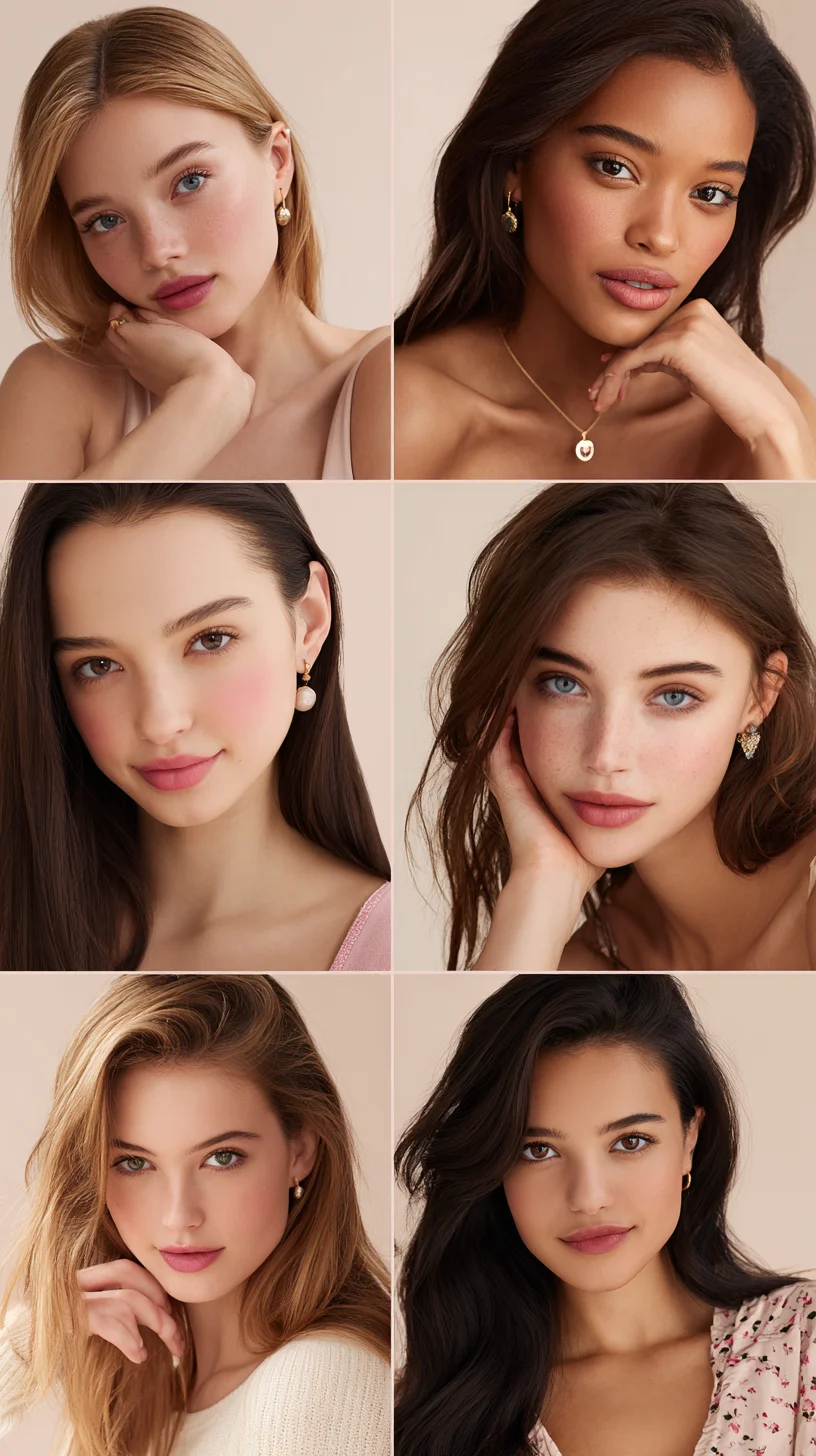
If class shapes beauty choices, then how does taste itself come to be? The answer lies in the social construction of what we deem beautiful—a process far from universal or innate. Taste, as Bourdieu argued, is not a personal quirk but a product of one』s social environment, education, and exposure. In the realm of med-aesthetics, this means that what one group sees as “refined” (say, a delicate, barely-there enhancement) might be viewed as underwhelming or even neglectful by another. Consider the rise of the “Kardashian aesthetic”—full lips, exaggerated curves, and a hyper-sculpted face. Initially tied to a specific cultural moment and demographic, this look became a global phenomenon through media saturation, influencing beauty standards across class lines. Yet, while some embraced it as empowering or glamorous, others—often from traditional elite circles—derided it as “vulgar,” a judgment that reveals more about class bias than the aesthetic itself.
This tension highlights the role of gatekeepers in shaping beauty norms. Fashion magazines, beauty influencers, and even med-aesthetic practitioners act as arbiters of taste, curating what is deemed acceptable or desirable within specific social strata. High-end clinics, for instance, often market themselves not just on results but on exclusivity—private waiting rooms, celebrity endorsements, and bespoke treatment plans signal that their services are for a “certain kind” of client. This branding doesn』t just sell a procedure; it sells a lifestyle, a belonging to an imagined community of the beautiful elite. On the flip side, mass-market chains or budget providers democratize access but often cater to trends that prioritize visibility over subtlety, reinforcing the class divide in aesthetic outcomes.
Med-aesthetics also plays a complex role in social mobility, acting as both a bridge and a barrier. For those climbing the social ladder, investing in appearance can open doors—whether it』s securing a job in a looks-driven industry or gaining acceptance in a higher social circle. Yet, the cost of entry is steep, both financially and culturally. The price tag of premium treatments can exclude lower-income individuals from accessing the “right” kind of beauty, while cultural missteps—choosing a look that』s out of step with the desired class』s norms—can backfire, marking one as an outsider trying too hard. This paradox is evident in the phenomenon of “overdone” aesthetics, where an individual』s attempt to emulate elite beauty standards (often without access to elite resources or guidance) results in a caricature that invites ridicule rather than respect. For med-aesthetic professionals, navigating this terrain requires a delicate balance: offering services that empower clients to express their aspirations while gently guiding them toward choices that align with their social goals, not just their immediate desires.
Moreover, the globalization of beauty standards adds another layer of complexity. As Western ideals of beauty—often tied to whiteness, thinness, and specific facial proportions—continue to dominate through media and advertising, non-Western clients may seek treatments to approximate these standards, sometimes at the expense of cultural heritage. Double-eyelid surgeries in East Asia or skin-lightening treatments in South Asia are not just personal choices; they』re often responses to a global hierarchy of beauty that privileges certain looks over others. This raises ethical questions for practitioners: How do we honor a client』s autonomy while acknowledging the cultural pressures shaping their decisions? The answer lies in education and dialogue, fostering a space where clients can explore beauty on their terms, informed by an awareness of the social forces at play.
Conclusion: Beyond the Surface—Med-Aesthetics as Cultural Capital
At its core, med-aesthetics is not just a medical field—it』s a sociological phenomenon, a mirror reflecting the intricate interplay of class, culture, and capital. Every injection, every laser treatment, every consultation is laden with meaning, encoding messages about who we are, who we want to be, and where we stand in the social order. For clients, these choices are deeply personal yet profoundly social, shaped by the invisible hand of cultural norms and class expectations. For practitioners, understanding this dynamic is not a luxury but a necessity. It』s the difference between offering a service and offering a transformation—not just of appearance, but of identity and belonging.
The implications are clear: med-aesthetics must evolve beyond technical expertise to embrace cultural fluency. Professionals who can decode the social motivations behind a client』s request—whether it』s the desire for subtle elegance to fit into an elite boardroom or a bold reinvention to signal a new chapter—will be better equipped to deliver results that resonate on a deeper level. This means listening not just to what clients say, but to what their choices signify in the broader context of their lives. It also means advocating for a more inclusive understanding of beauty, one that challenges rigid hierarchies and celebrates diversity without erasing the cultural histories that shape individual desires.
As we move forward in an era where med-aesthetics is increasingly accessible yet ever more stratified, the challenge is to bridge the gap between personal aspiration and social reality. Beauty, after all, is not just skin deep—it』s a language, a currency, a map of where we』ve been and where we hope to go. By recognizing the cultural capital embedded in every procedure, we can transform med-aesthetics from a mere industry into a meaningful dialogue about identity, power, and possibility. So, the next time a client sits in your chair, remember: you』re not just shaping a face. You』re shaping a story—one that speaks to the heart of who they are in a world that』s always watching.
