What: The Collision of Global Beauty Standards and Local Identity
Let』s get straight to the point: the medical beauty industry is a battleground where globalized ideals of 「perfection」 duke it out with deeply rooted cultural aesthetics. Walk into any high-end med spa in Seoul, Dubai, or São Paulo, and you』ll see the same menu of procedures—Botox, fillers, double-eyelid surgeries—driven by a homogenized vision of beauty often shaped by Hollywood, K-pop, and Instagram filters. But beneath the surface lies a tension that』s as old as globalization itself: the push to conform to a universal 「ideal」 versus the pull to preserve what makes a culture』s sense of beauty unique.
This isn』t just about whether someone wants a sharper nose or fuller lips. It』s about identity. Globalization has turned med beauty into a trillion-dollar industry by exporting Western ideals—think high cheekbones, symmetrical faces, and Eurocentric features—as the gold standard. Yet, in doing so, it often erases the very traits that define a culture』s heritage. In this article, we』re diving into how this clash plays out, why it matters, and what it means for anyone in the med beauty space trying to balance international trends with local authenticity.
Who: The Players Caught in the Crossfire
The globalization of beauty standards impacts everyone—clients, practitioners, and even entire societies. Clients, especially younger generations, are bombarded with images of influencers and celebrities whose looks are often a product of surgical precision and digital editing. A 2022 study by the International Society of Aesthetic Plastic Surgery (ISAPS) reported a 19% global increase in cosmetic procedures, with many patients citing social media as their primary inspiration. These clients aren』t just chasing beauty; they』re chasing a ticket to social capital, often shaped by a Westernized lens.

Then there are the practitioners—dermatologists, plastic surgeons, and aestheticians—who must navigate this minefield. They』re trained in techniques that often prioritize global trends (like the 「golden ratio」 of facial symmetry) but serve clients whose cultural ideals might reject those very standards. In India, for instance, a fair complexion remains a deeply ingrained marker of beauty, rooted in historical caste associations, even as global campaigns push for diversity and inclusivity. Practitioners are stuck between offering what』s 「in」 and respecting what』s 「us.」
Finally, there』s society itself. Entire cultures are wrestling with the erosion of their aesthetic traditions. In East Asia, double-eyelid surgery—a procedure often linked to Westernization—has become so normalized that it』s almost a rite of passage for some. Yet, many activists and scholars argue it represents a form of cultural erasure, a rejection of the monolid as 「less desirable.」 The question of who defines beauty becomes a proxy for deeper issues of power, colonialism, and self-worth.
When: A Timeline of Beauty』s Global Takeover
This tension didn』t emerge overnight. The globalization of beauty standards kicked into high gear in the 20th century with the rise of Hollywood and mass media. By the 1950s, icons like Marilyn Monroe set a template for Western beauty—pale skin, curvaceous figures, and delicate features—that was exported worldwide through film and advertising. Post-World War II, as American cultural influence spread, so did its aesthetic ideals, often tied to ideas of modernity and progress.
The internet age turbocharged this process. By the 2000s, platforms like YouTube and Instagram became pipelines for beauty tutorials and 「before-and-after」 transformations, often showcasing med beauty procedures as the ultimate fix. K-pop』s global explosion in the 2010s added another layer, blending Western and Asian influences into a hyper-polished look that』s now a benchmark for millions. Today, with TikTok trends crossing borders in seconds, a single viral filter or challenge can shift beauty norms overnight—often with little regard for cultural context.

But history also shows resistance. In the 1960s and 70s, movements like Black Power in the U.S. celebrated natural hair and darker skin tones as a rejection of Eurocentric standards. Today, similar pushbacks are visible in places like Brazil, where Afro-Brazilian beauty is being reclaimed through campaigns and influencers, even as skin-lightening treatments remain popular. The timeline of beauty』s globalization is a story of both domination and defiance.
Where: Hotspots of Cultural Collision
The med beauty industry』s global-local tension plays out most visibly in specific regions. Take South Korea, the world』s plastic surgery capital, where an estimated 1 in 3 women have undergone a cosmetic procedure, according to a 2021 ISAPS report. The country』s beauty industry is a juggernaut, exporting K-pop-inspired looks—pale skin, V-shaped jaws, and wide eyes—while simultaneously grappling with criticism for promoting a homogenized, often Westernized ideal. Many Korean clinics now market 「natural」 procedures to counter accusations of cultural alienation, a sign of the push for balance.
Contrast this with the Middle East, where beauty standards are deeply tied to cultural and religious values. In countries like Iran, rhinoplasty is one of the most popular procedures, often driven by a desire for smaller, more 「refined」 noses. Yet, there』s a growing movement to embrace traditional features, with influencers showcasing unapologetically ethnic looks. Med beauty clinics in Dubai and Tehran are increasingly offering bespoke treatments that enhance rather than erase cultural markers, reflecting a nuanced negotiation between global trends and local pride.
Then there』s Africa, where skin-lightening products—a $10 billion industry, per WHO estimates—highlight the lingering impact of colonial beauty ideals. Despite bans in countries like Rwanda and Ghana, the demand persists, driven by a globalized preference for lighter skin. At the same time, movements like #MelaninMagic are gaining traction, encouraging med beauty providers to focus on skin health over skin tone. These regional dynamics show that globalization isn』t a monolith; it』s a mosaic of conflict and adaptation.

Why: The Stakes of Aesthetic Homogenization
So why does this matter? On a personal level, the pressure to conform to a global beauty standard can wreak havoc on mental health. A 2020 study in the Journal of Cosmetic Dermatology found that exposure to idealized social media images correlates with higher rates of body dysmorphia and anxiety, particularly among young women. When med beauty becomes a tool to 「fix」 cultural traits—whether it』s a flat nose, small eyes, or dark skin—it sends a message that those traits are flaws, not features.
On a cultural level, the stakes are even higher. Aesthetic homogenization risks turning the world into a monoculture, where beauty is reduced to a single, often Western, template. This isn』t just about losing diversity in looks; it』s about losing the stories, histories, and values embedded in those looks. When a Nigerian woman bleaches her skin or a Japanese woman opts for double-eyelid surgery, it』s not just a personal choice—it』s a reflection of systemic pressures that devalue their heritage.
For the med beauty industry, ignoring these stakes is bad business. Clients are increasingly savvy, demanding services that respect their cultural identity. A 2023 survey by McKinsey found that 60% of Gen Z consumers prioritize 「authenticity」 in beauty brands and services. Practitioners who can』t navigate this cultural tightrope—offering global techniques with local sensitivity—risk alienating their clientele. The 「why」 here is clear: beauty isn』t just skin deep; it』s a mirror of who we are as a society.
How: Finding Balance in a Borderless Industry
So how do we move forward? First, med beauty practitioners need to prioritize cultural competence. This means understanding the historical and social context of beauty standards in their region. A plastic surgeon in Brazil, for instance, should know the cultural significance of fuller figures and natural curls, even if global trends push for slimness and straight hair. Training programs should include modules on cultural sensitivity, ensuring that consultations aren』t just about 「fixing」 but about enhancing what』s already there in a way that resonates with a client』s identity.
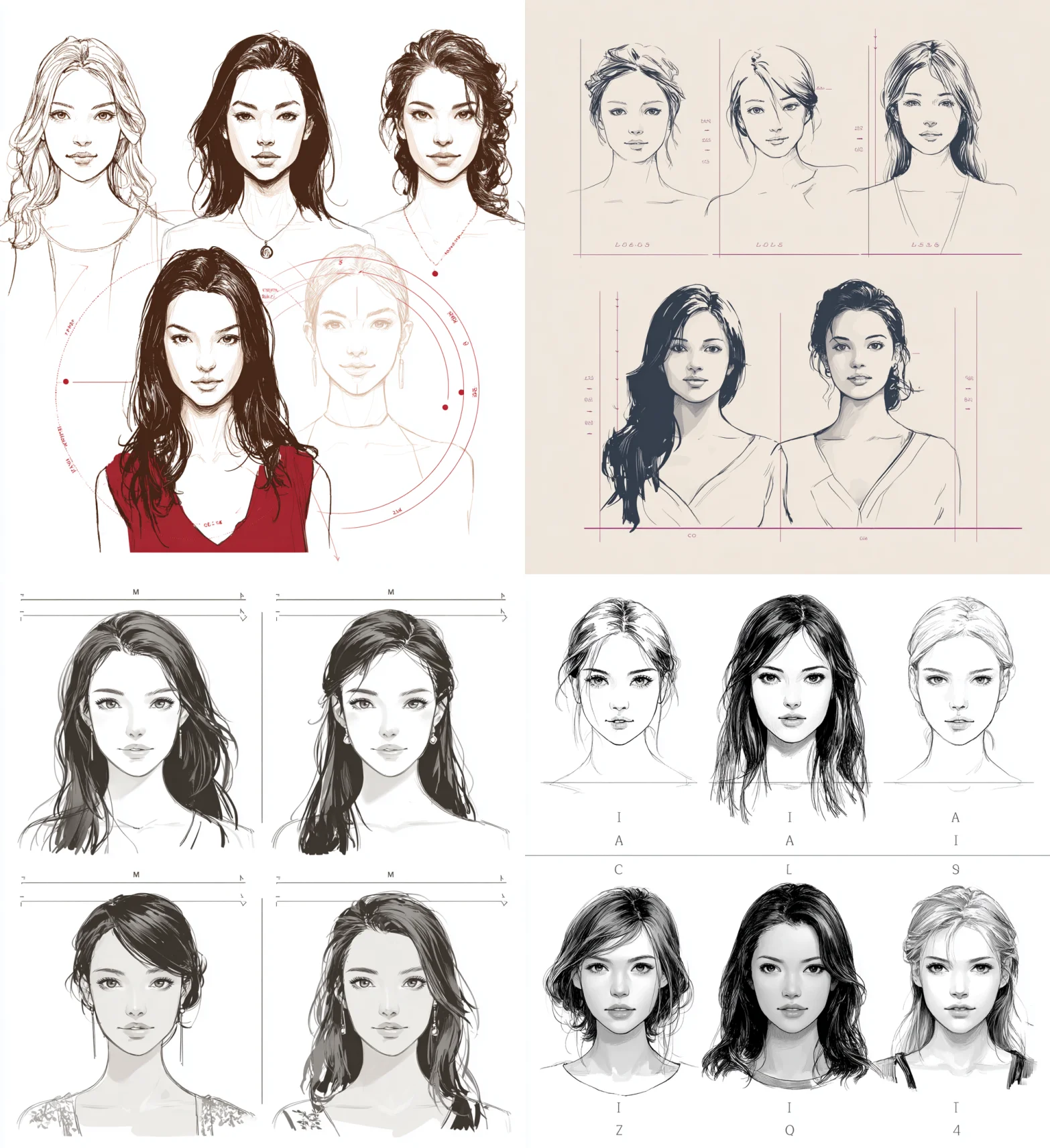
Second, the industry must champion diversity in representation. Brands and clinics can take a page from Fenty Beauty』s playbook—Rihanna』s line disrupted the market by offering products for all skin tones, proving that inclusivity is profitable. Med beauty marketing should showcase a range of ethnic features, not just the same cookie-cutter faces. Platforms like Instagram can be used to highlight traditional beauty practices—think henna-inspired skin art or Indigenous facial tattoos—alongside modern procedures.
Third, technology offers a way to customize rather than conform. Advances in AI and 3D imaging allow practitioners to simulate outcomes that align with a client』s cultural aesthetic, rather than a universal ideal. In Japan, some clinics use software to design 「kawaii」 (cute) features that reflect local tastes, rather than Western symmetry. These tools can bridge the gap between global innovation and local flavor.
Finally, clients themselves have a role to play. Educating oneself about the origins of beauty ideals—why certain looks are 「in」 and who benefits from that—can empower better decision-making. Med beauty isn』t about becoming someone else; it』s about becoming a version of yourself that feels true. Asking questions like, 「Does this procedure reflect my culture or erase it?」 can ground personal choices in cultural pride.
Conclusion: Beauty as a Cultural Conversation
The med beauty industry stands at a crossroads. Globalization has given us unprecedented access to techniques and trends, but it』s also challenged us to protect what makes beauty meaningful—its ties to culture, history, and identity. The tension between Western ideals and local aesthetics isn』t a problem to solve; it』s a conversation to have. As practitioners, clients, and societies, we need to ask ourselves: Are we building a world where beauty is a celebration of difference, or a race to sameness?
The answer lies in balance. By embracing cultural sensitivity, championing diversity, leveraging technology, and fostering awareness, the med beauty industry can be a force for connection rather than conformity. In a borderless world, beauty doesn』t have to lose its roots—it just needs to grow new branches.