Introduction: The Gendered Canvas of the Face
The human face is a canvas of identity, where gender plays a defining role in shaping both perception and aesthetic ideals. In medical aesthetics, understanding the nuanced differences between masculine and feminine facial features is not just an academic exercise—it』s a cornerstone of achieving results that resonate with a client』s identity while adhering to cultural and personal standards of beauty. Missteps in this arena can lead to outcomes that feel dissonant, such as overly feminized male faces or masculinized female features, disrupting the harmony of gender expression. Using the Six Thinking Hats framework, this article systematically dissects the gender-specific characteristics of the face—from bone structure to soft tissue dynamics—and explores how med-aesthetic practitioners can leverage this knowledge to create balanced, authentic transformations.
White Hat: The Facts of Facial Gender Differences
Let』s start with the raw data—the objective distinctions between male and female facial anatomy. At the skeletal level, men typically exhibit more pronounced brow ridges, a wider and more angular mandible, and a larger, more projecting chin. The male skull tends to have a steeper forehead slope and a more robust zygomatic arch (cheekbone structure), contributing to a broader, more angular face. Women, by contrast, often have smoother, less prominent brow ridges, a narrower jawline with a softer angle, and a smaller, more rounded chin. Their cheekbones are typically higher and more pronounced relative to the face』s width, creating a softer, oval-shaped contour.
Soft tissue distribution further amplifies these differences. Men generally have thicker skin with more collagen and sebum production, leading to a rougher texture and less subcutaneous fat in areas like the cheeks. Their lips are often thinner, and the nasolabial folds (lines from nose to mouth) are more defined due to stronger muscular attachments. Women, on the other hand, tend to have thinner skin with more subcutaneous fat, particularly in the midface, contributing to fuller cheeks and a smoother, more delicate appearance. Their lips are typically fuller, and the overall facial fat distribution creates a heart-shaped or tapered look.

Proportions also tell a story. The male face is often longer vertically, with a higher forehead-to-chin ratio, while the female face appears shorter and wider in the midsection due to higher cheekbones and a narrower lower face. Even expression patterns differ: men』s faces, driven by stronger facial muscles, often show deeper dynamic lines (like forehead creases), while women』s expressions tend to be subtler due to softer musculature and greater fat padding.
These anatomical facts form the foundation of gender-specific aesthetics, but facts alone don』t guide outcomes. We must interpret and apply them thoughtfully.
Red Hat: The Emotional Impact of Gendered Features
Switching to the emotional lens, how do these facial differences influence perception and identity? Faces are not just physical structures; they are emotional triggers. A face that aligns with societal or personal expectations of masculinity or femininity often evokes feelings of confidence and authenticity in the individual. Conversely, features that blur or contradict gender identity can create discomfort or dissatisfaction, both for the person and those perceiving them.
In medical aesthetics, clients often seek treatments to either enhance their gender-specific traits or soften features that feel incongruent with their identity. For instance, a male client might feel self-conscious about a narrow jawline that reads as 「less masculine,」 while a female client might desire fuller lips to align with traditional markers of femininity. The emotional stakes are high—med-aesthetic interventions are deeply personal, tied to how individuals see themselves and wish to be seen. Ignoring or misinterpreting gender cues can lead to results that feel alienating, such as a male face appearing overly softened after filler overuse or a female face looking harsh due to aggressive jawline contouring.
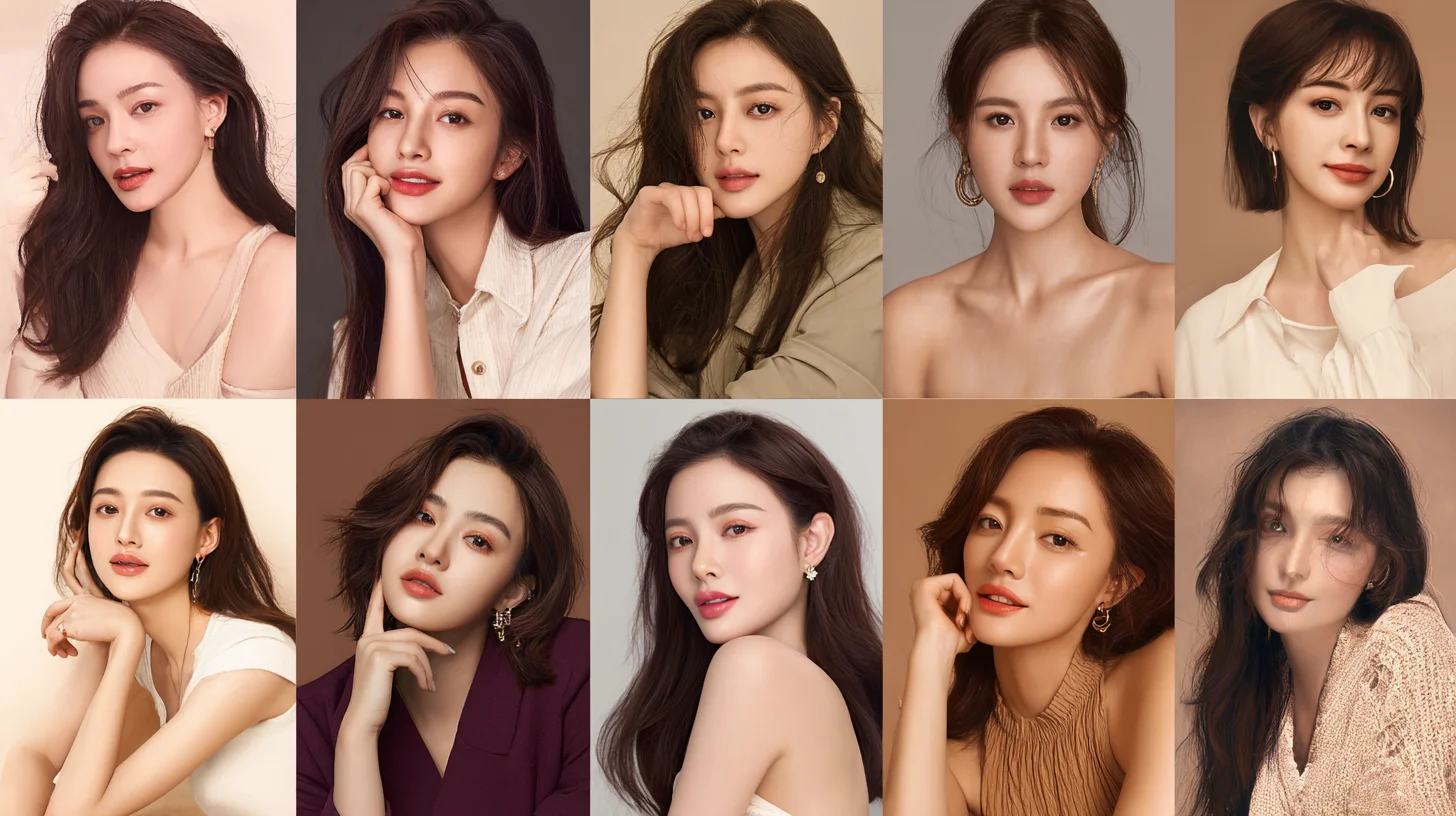
As practitioners, tapping into these emotions means listening to the client』s vision of their identity. It』s not just about 「beautifying」 but about harmonizing the face with their internal sense of self. Empathy must guide the scalpel or syringe.
Black Hat: The Risks of Ignoring Gender Differences
Now, let』s adopt a critical perspective. What are the pitfalls of overlooking or mishandling gender-specific facial features in med-aesthetics? One of the most common errors is the 「one-size-fits-all」 approach, where practitioners apply generic beauty standards without accounting for gender nuances. This can result in what』s often termed 「feature mix-up」—a male face that appears feminized due to excessive cheek filler or over-plumped lips, or a female face that looks masculinized from overly sharp jawline enhancements.
Another risk is cultural insensitivity. Gendered beauty ideals vary widely across cultures and ethnicities. For example, a strong jawline might be a hallmark of masculinity in Western aesthetics but could be seen as less desirable in East Asian contexts, where softer, more androgynous male features are often celebrated. Applying a universal template without context can alienate clients and produce unnatural results.
Then there』s the technical risk of overcorrection. In an attempt to emphasize femininity, practitioners might over-inject fillers into a female client』s lips or cheeks, creating a caricature rather than a natural enhancement. Similarly, overuse of Botox in men to smooth dynamic lines can erase the ruggedness often associated with masculinity, leading to an unintended 「frozen」 look. These missteps not only compromise aesthetic outcomes but can also damage trust between client and practitioner.
Yellow Hat: The Opportunities in Gender-Specific Aesthetics
Shifting to an optimistic view, understanding and leveraging gender differences opens up immense potential for personalized, impactful med-aesthetic outcomes. By tailoring interventions to enhance or balance gender-specific traits, practitioners can achieve results that feel authentic and empowering. For men, subtle jawline contouring with dermal fillers or Botox to define the masseter muscle can reinforce masculinity without exaggeration. For women, strategic filler placement to highlight high cheekbones or lip augmentation to enhance fullness can accentuate femininity while maintaining natural proportions.

There』s also an opportunity to educate clients. Many enter the consultation room with vague desires—「I want to look better」—without a clear understanding of how gender features play into their dissatisfaction or goals. By explaining the anatomical and perceptual differences between male and female faces, practitioners can guide clients toward interventions that align with their identity, whether that means reinforcing traditional gender markers or exploring more androgynous expressions.
Moreover, advancements in technology, such as 3D imaging and AI-driven facial analysis, allow for precise mapping of gender-specific traits before any procedure. These tools can simulate outcomes, helping clients and practitioners visualize how subtle tweaks—say, softening a brow ridge or enhancing lip volume—will impact the overall gender expression of the face. This is a golden age for precision in med-aesthetics, and gender awareness is the key to unlocking its full potential.
Green Hat: Innovative Approaches to Gender Harmony
Wearing the creative hat, let』s explore fresh ideas for integrating gender-specific analysis into med-aesthetic practice. One innovative approach is the development of gender-tailored treatment protocols. Rather than relying on generic filler or Botox dosages, clinics could establish distinct frameworks for male and female faces, adjusting injection sites, volumes, and techniques based on anatomical differences. For instance, male protocols might prioritize jawline definition and minimal midface volume, while female protocols could focus on midface lift and lip enhancement, always calibrated to avoid exaggeration.
Another idea is cross-disciplinary collaboration. Med-aesthetic practitioners could partner with psychologists and gender studies experts to better understand the sociocultural dimensions of facial gender perception. Workshops or training modules on gender-specific aesthetics could become a standard part of certification programs, ensuring that practitioners are as fluent in cultural nuances as they are in anatomy.
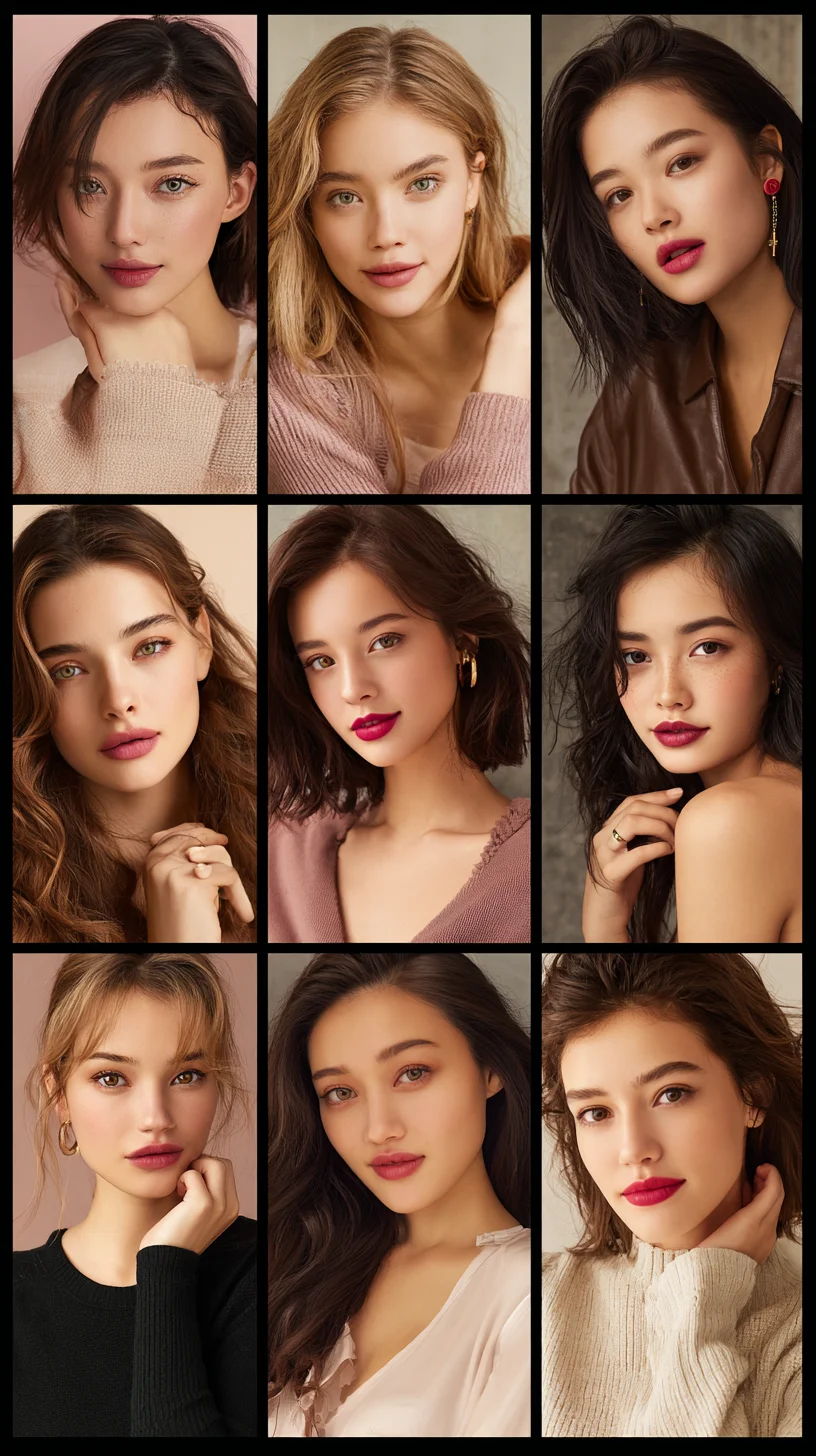
Finally, let』s consider client-facing tools. Imagine an app or platform where clients can upload their photo, input their gender identity and aesthetic goals, and receive a detailed breakdown of how their facial features align with or deviate from typical gender markers. Paired with practitioner input, this could foster a collaborative approach to treatment planning, empowering clients to co-create their transformation.
Blue Hat: Synthesizing a Gender-Conscious Approach
Stepping back to oversee the process, it』s clear that a gender-conscious approach in med-aesthetics requires a balance of science, empathy, caution, optimism, creativity, and strategy. The facts (White Hat) provide the anatomical roadmap, while emotional awareness (Red Hat) ensures treatments resonate with identity. Critical analysis (Black Hat) guards against common pitfalls like overcorrection or cultural insensitivity, and an optimistic outlook (Yellow Hat) highlights the potential for personalized, empowering results. Creative solutions (Green Hat) push the field forward with tailored protocols and client-centric tools.
The overarching takeaway is this: gender-specific facial features are not just aesthetic markers—they are deeply tied to identity and perception. Med-aesthetic practitioners must approach each face as a unique puzzle, where gender is one of many pieces to consider. By systematically analyzing bone structure, soft tissue, proportions, and expression patterns through a gender lens, and by grounding interventions in both technical precision and emotional intelligence, we can avoid the trap of 「feature mix-up」 and instead create faces that feel harmonious and true.
In practice, this means starting every consultation with a thorough assessment of the client』s facial anatomy against gender-typical traits, followed by an open dialogue about their identity and goals. It means staying attuned to cultural and individual variations, leveraging technology for precision, and continually educating oneself on the evolving landscape of gender and beauty. Only then can med-aesthetics fulfill its promise: to enhance, not erase, the essence of who we are.
