In the intimate confines of personal reflection, an aesthetic alteration begins not as a public statement but as a private recalibration of self. Medical aesthetics—through procedures that refine facial contours, restore symmetry, or enhance features—initiates a subtle shift in how individuals perceive their own presence in space. This internal adjustment, rooted in social psychology, extends outward: others register these changes via rapid, automatic processes of impression formation. The halo effect, well-documented in cognitive research, amplifies this, where enhanced physical appeal cues assumptions of competence, warmth, and trustworthiness. Yet the mechanism operates bidirectionally; the transformed individual must navigate the dissonance between their prior self-schema and the new social feedback loops that now greet them.

Moving outward from this personal locus into professional environments reveals the first pronounced spatial reconfiguration. Offices and boardrooms function as arenas where appearance serves as an initial filter in status hierarchies. Studies on occupational psychology demonstrate that subtle enhancements in attractiveness correlate with accelerated career trajectories: higher callback rates in interviews, elevated performance ratings, and increased likelihood of leadership attributions. For clients undergoing medical aesthetics, this manifests as altered interaction patterns—colleagues initiate conversations more readily, superiors assign visible projects with greater frequency. The social psychological dividend here lies not merely in visual appeal but in the reduced cognitive load others expend on negative stereotypes; instead, attention pivots toward substantive contributions. However, adaptation requires deliberate scaffolding: clients benefit from guided reflection on maintaining authenticity amid these shifts, lest the change be misread as inauthenticity rather than enhancement. Professionals in medical aesthetics thus extend their role beyond procedural expertise, coaching clients on leveraging these dynamics—such as pairing new confidence with strategic networking—to convert perceptual advantages into tangible advancement.

Transitioning into interpersonal domains, the narrative space expands to friendships, romantic partnerships, and familial ties. Here, appearance alterations disrupt established relational equilibria. Social identity theory posits that group membership and status are partly signaled through physical presentation; a refined aesthetic can elevate an individual’s perceived position within social networks, prompting recalibrated behaviors from others. Friends may exhibit heightened engagement or, conversely, subtle envy-driven distancing, while romantic prospects often experience amplified initial attraction, accelerating bonding through elevated oxytocin responses tied to visual appeal. Yet these changes demand psychological navigation: clients frequently encounter the “new self” paradox, where external validation outpaces internal integration. Depth arises in understanding reciprocity—successful adaptation involves transparent communication about the transformation’s intent, fostering environments where social opportunities multiply without relational friction. Medical aesthetics practitioners who address this layer provide multidimensional guidance, helping clients map potential interaction shifts and cultivate resilience against variable responses, thereby maximizing relational gains from enhanced social signaling.
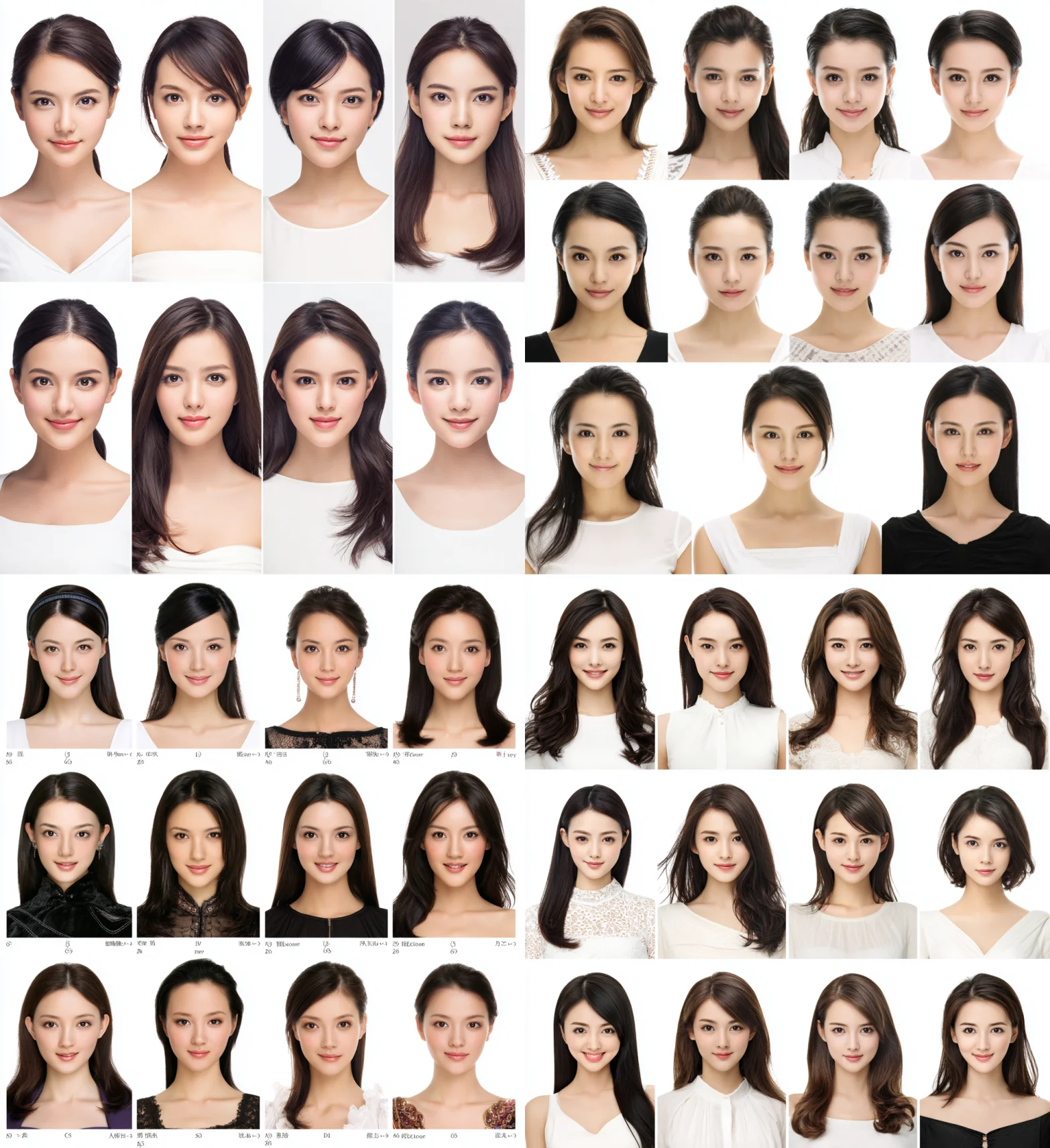
Broader societal spaces—public encounters, community events, and digital interfaces—amplify these effects into opportunity structures. In these diffuse arenas, appearance functions as a heuristic for social worth, influencing access to resources, invitations, and collaborative ventures. Research on implicit bias illustrates how aesthetic improvements mitigate disadvantages in first-impression scenarios, opening pathways to mentorships, speaking engagements, or cross-cultural exchanges previously constrained by perceptual barriers. The spatial progression culminates here: what began as a localized physical change radiates into expanded social capital. Clients who internalize these processes report heightened agency, actively steering interactions rather than passively absorbing them. Guidance at this level emphasizes proactive strategies—such as aligning aesthetic outcomes with personal branding—to sustain momentum and convert transient perceptual boosts into enduring networks.
Ultimately, the full arc of spatial narrative underscores that medical aesthetics transcends technical intervention. By illuminating the cognitive and relational mechanisms at play, practitioners equip clients to harness these transformations as catalysts for enriched social existence, ensuring changes yield not isolation but deeper, more rewarding embeddedness within human systems.