1. The Meme: Beauty as a Philosophical Tug-of-War
Picture this: a meme of two titans pulling a rope. On one side, Plato, with his chiseled idealism, insists beauty is an eternal, objective truth—a perfect form beyond our flawed perceptions. On the other, Nietzsche, wild-eyed and rebellious, yanks back, declaring beauty a subjective construct, a projection of our will to power. In the middle? You, standing in front of a medspa mirror, wondering if that Botox injection or lip filler is chasing a universal ideal or amplifying your unique essence.
This meme isn』t just a philosophical joke—it』s the root of every decision in medical aesthetics. Are we sculpting faces to fit a timeless standard, or are we curating individuality in a world obsessed with filters and trends? Let』s unpack this ancient debate and see how it shapes the modern medspa chair.
2. The Ancient Blueprint: Plato』s Perfect Forms
Plato, the godfather of Western philosophy, argued that beauty isn』t just skin-deep—it』s not even skin at all. In his theory of Forms, beauty exists as a perfect, eternal idea, untouchable by the messy, imperfect physical world. A symmetrical face, a golden ratio waistline—these aren』t beauty itself but mere shadows of the ultimate Form of Beauty. For Plato, true beauty is objective, universal, and independent of human opinion. If you』re chasing beauty, you』re chasing something bigger than yourself.
In the medspa context, Plato』s view aligns with the pursuit of 「classic」 beauty standards—think high cheekbones, balanced proportions, and features that echo the mathematical harmony of the Parthenon. Procedures like rhinoplasty or jawline contouring often nod to these ideals, aiming to bring a face closer to a supposed universal perfection. Ever notice how many 「before and after」 photos seem to converge on similar looks? That』s Plato whispering in the surgeon』s ear.

But here』s the catch: Plato』s beauty is unattainable. No filler can inject a Form. No scalpel can carve an Idea. So, are we deluding ourselves in the medspa, chasing a ghost that can』t be captured?
3. The Enlightenment Shift: Kant』s Subjective Gaze
Fast forward to Immanuel Kant, the 18th-century thinker who flipped Plato on his head. For Kant, beauty isn』t 「out there」 in some cosmic realm—it』s in here, in our minds. In his Critique of Judgment, he argues that beauty arises from a subjective feeling of pleasure, a harmonious interplay between our senses and intellect. It』s not that a sunset or a sculpted jawline is beautiful; it』s that we judge it to be so, based on a shared human capacity for aesthetic appreciation.
Kant』s philosophy introduces a paradox for medical aesthetics: beauty feels universal (we often agree on what』s 「pretty」), yet it』s deeply personal (your 「perfect」 nose might not be mine). This duality plays out in medspas every day. A patient might request a Kylie Jenner lip or a Brad Pitt jawline, influenced by cultural consensus, but the satisfaction they feel post-procedure is entirely their own. Kant would say the medspa isn』t creating beauty—it』s facilitating a subjective experience of it.
This perspective empowers individuality. If beauty is a judgment, not a fact, then medspa treatments can prioritize personal resonance over rigid standards. But it also raises a question: if beauty is just a feeling, why do we spend thousands to 「fix」 what we see in the mirror? Are we sculpting our faces or our perceptions?
4. The Romantic Rebellion: Hegel and the Spirit of Beauty
Enter Georg Wilhelm Friedrich Hegel, the 19th-century philosopher who saw beauty as neither a static ideal nor a fleeting feeling, but as the expression of human spirit through history. For Hegel, beauty evolves with culture, embodying the zeitgeist of an era. A Renaissance painting, a Victorian corset, a 2020s Instagram filter—each reflects the 「Absolute Spirit」 of its time, a collective consciousness manifesting through art and form.

In medical aesthetics, Hegel』s lens explains why beauty standards shift like sand. The plump lips and sharp contours of today』s influencers would have baffled the pale, delicate ideals of the 18th century. Medspas don』t just respond to individual desires; they』re battlegrounds for cultural evolution. When a client asks for a 「snatched」 look inspired by TikTok, they』re not just seeking personal beauty—they』re participating in a historical moment.
Hegel』s view challenges medspa practitioners to be more than technicians; they must be cultural interpreters. Are you reinforcing the dominant aesthetic of 2023, or are you helping a client express something timeless within themselves? Beauty, for Hegel, isn』t just a look—it』s a story.
5. The Existential Twist: Nietzsche』s Will to Power
Now, let』s get raw with Friedrich Nietzsche, the philosopher who threw dynamite at traditional notions of beauty. In works like Thus Spoke Zarathustra, Nietzsche argued that beauty isn』t a universal truth or a shared feeling—it』s a creation of the individual will. Beauty is power, a projection of our inner strength and desire to affirm life. There』s no 「objective」 pretty face; there』s only what you, in your unique vitality, declare to be beautiful.
Nietzsche』s radical subjectivity is a game-changer for medical aesthetics. Forget golden ratios or cultural trends—beauty is whatever makes you feel alive, powerful, and authentic. A medspa, in this view, isn』t a factory for cookie-cutter faces; it』s a studio for self-expression. That scar you want to keep as a badge of survival? That asymmetrical quirk you refuse to 「fix」? Nietzsche would cheer you on. Beauty isn』t about fitting in—it』s about standing out as the creator of your own meaning.
But Nietzsche』s philosophy comes with a warning: if beauty is just your will, then the medspa can become a slippery slope of endless reinvention. Without any anchor, how do you know when to stop? Is every injection an act of power, or are you just chasing a void?
6. The Modern MedSpa Mirror: Universal or Unique?
So, where does this philosophical tug-of-war leave us in the medspa chair? Let』s break it down with a practical lens.
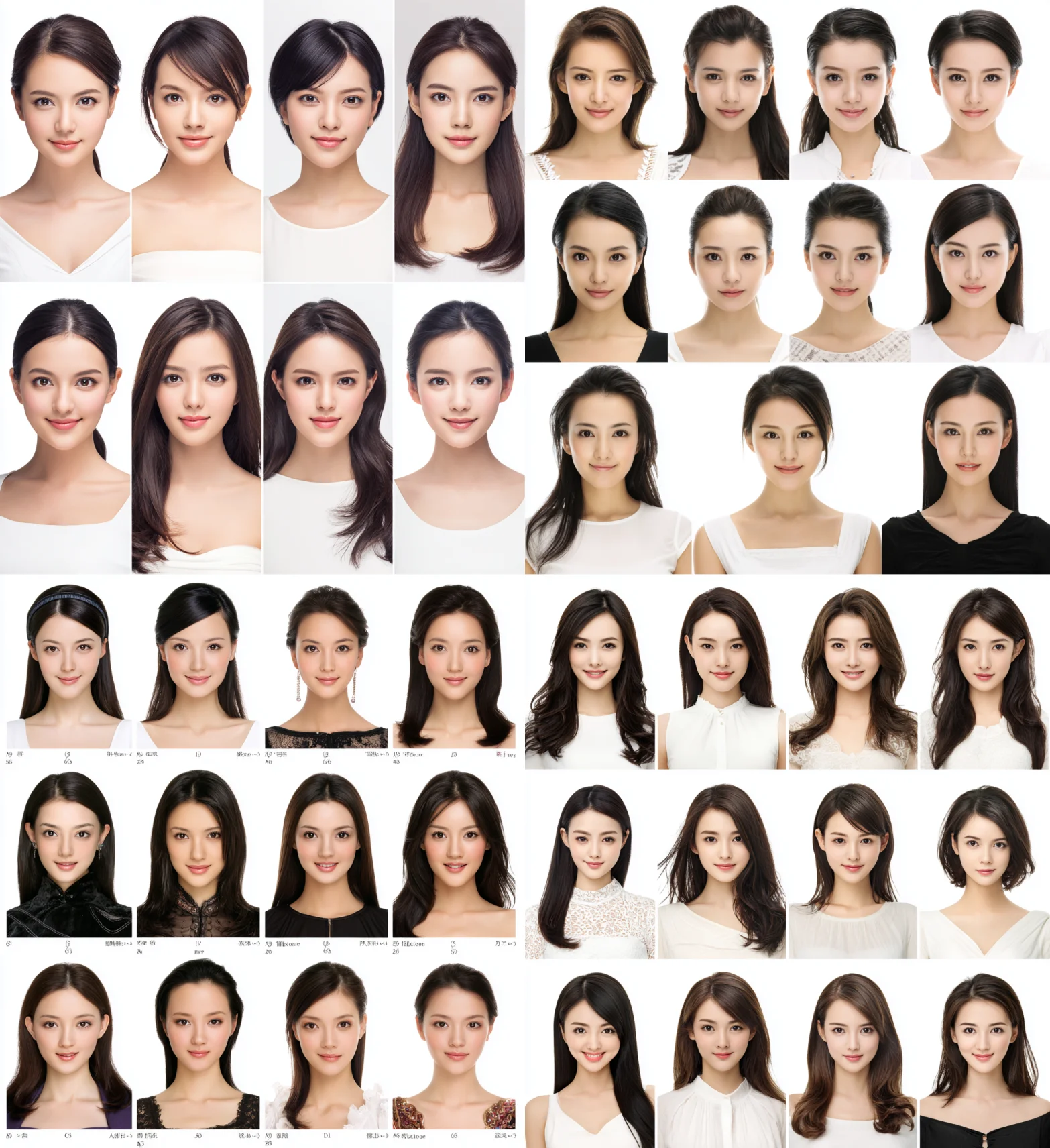
- Plato』s Legacy: Many medspa treatments implicitly chase universal ideals. Think of facial harmonization techniques that aim for symmetry or proportion based on mathematical models like the phi ratio (1.618). These standards promise a 「timeless」 beauty, but they risk turning unique faces into homogenized templates. Ask yourself: are you enhancing your features to match an archetype, or to reveal something inherently you?
-
Kant』s Influence: The subjective turn reminds us that beauty is a personal judgment. Medspas increasingly offer bespoke treatments—customized filler plans, personalized skin regimens—that prioritize individual satisfaction over generic ideals. But this also means grappling with internal biases. Are you altering your appearance for your own pleasure, or because of external pressures disguised as 「personal taste」?
-
Hegel』s Context: Cultural trends dominate medspa menus. From the 「Instagram face」 (high cheekbones, full lips, narrow nose) to the rise of non-invasive body contouring, what』s 「beautiful」 often mirrors what』s viral. As a client or practitioner, you』re part of a larger narrative. Are you following the crowd, or challenging it with a look that defies the moment?
-
Nietzsche』s Challenge: The ultimate rebellion is to define beauty on your terms. Some clients use medspas to amplify quirks—think bold lip shapes or exaggerated features—that reject conventional standards. This approach celebrates individuality but demands courage. Are you ready to own your aesthetic choices, even if they clash with the mainstream?
The truth is, most medspa decisions blend these perspectives. A client might seek a universally 「perfect」 nose (Plato) but tweak it to feel right for them (Kant), influenced by current trends (Hegel), while asserting their unique identity (Nietzsche). The medspa isn』t just a place of transformation—it』s a philosophical crossroads.

7. The Practitioner』s Dilemma: Artist or Engineer?
For medspa professionals, this debate isn』t abstract—it』s operational. Are you an engineer, applying standardized techniques to achieve a predictable 「beautiful」 outcome? Or are you an artist, collaborating with each client to craft a look that resonates with their personal or cultural story?
Consider the rise of 「natural」 aesthetics—subtle enhancements that preserve individuality over dramatic overhauls. This trend suggests a Kantian or Nietzschean shift, prioritizing subjective satisfaction and personal power. Yet the tools of the trade—algorithms for facial mapping, standardized filler protocols—often lean Platonic, aiming for objective perfection. Practitioners must navigate this tension, balancing science with soul.
Moreover, Hegel』s cultural lens imposes responsibility. When you promote a trending procedure, are you perpetuating a narrow beauty narrative, or are you educating clients to make informed, authentic choices? The medspa isn』t just a clinic; it』s a cultural influencer.
8. The Client』s Reflection: What Are You Really Chasing?
If you』re a medspa client, this philosophical deep dive isn』t just academic—it』s a mirror. Every decision, from a simple peel to a full facial reconstruction, carries an undercurrent of belief about what beauty is. Here are three questions to ask before booking your next appointment:
- Is this for a universal ideal or a personal truth? Are you chasing a look that』s 「supposed」 to be beautiful, or one that feels true to who you are?
-
Am I shaped by culture, or shaping it? Are you adopting a trending aesthetic, or using the medspa to express something countercultural or unique?
-
Does this empower me, or trap me? Nietzsche would ask if this change affirms your life and strength—or if it』s a reaction to insecurity or external judgment.
Beauty isn』t just a result; it』s a process of self-discovery. The medspa chair is where philosophy meets flesh.
9. The Meme Revisited: Your Rope to Pull
Back to our meme—Plato and Nietzsche pulling that rope, with you in the middle. There』s no final winner in this tug-of-war, because beauty defies a single definition. It』s objective and subjective, universal and personal, cultural and rebellious, all at once. The medspa is where these contradictions collide, where ancient ideas about beauty are injected, contoured, and lasered into reality.
So, the next time you』re considering a procedure, remember: you』re not just choosing a look. You』re choosing a philosophy. Are you sculpting for the eternal, the cultural, the personal, or the powerful? Pull your rope—and own the beauty you create.