In a world obsessed with beauty, we often chase the latest trends—plump lips, sharp jawlines, or flawless skin—without pausing to ask a fundamental question: Why do we find these traits beautiful in the first place? Beneath the surface of every Botox injection or rhinoplasty lies a deeper code, a cultural blueprint that shapes our perception of attractiveness. As a society, we are not just sculpting faces; we are decoding and reconstructing beauty through a complex interplay of history, biology, and cultural narratives.
This isn』t just about looking good. It』s about understanding the invisible forces that define what “good” even means. Drawing inspiration from cultural semiotics and the framework of cultural codes, let』s unravel the layers of beauty』s DNA—its historical roots, societal symbols, and evolving ideals. This journey isn』t a superficial skim through makeup tutorials or before-and-after photos. It』s a deep dive into the essence of aesthetics, a leap from mere technique to the philosophy of design in medical aesthetics.
The Cultural Code Model: Beauty as a Symbolic Language
To understand beauty, we must first see it as a language—a set of symbols and signs that communicate value, status, and identity within a culture. French sociologist Roland Barthes introduced the concept of cultural codes, suggesting that everything we perceive as “natural” (like beauty) is, in fact, constructed by societal narratives. In the context of aesthetics, beauty isn』t an objective truth; it』s a coded message we』ve been taught to read.
Think of beauty standards as a cultural text. Each feature—high cheekbones in Western ideals, pale skin in East Asian traditions, or full lips in African diaspora aesthetics—carries a specific meaning tied to historical and social contexts. As medical aestheticians, we don』t just alter physical traits; we edit these cultural texts, sometimes reinforcing them, sometimes rewriting them. But to do so with intention, we must first decode the symbols.
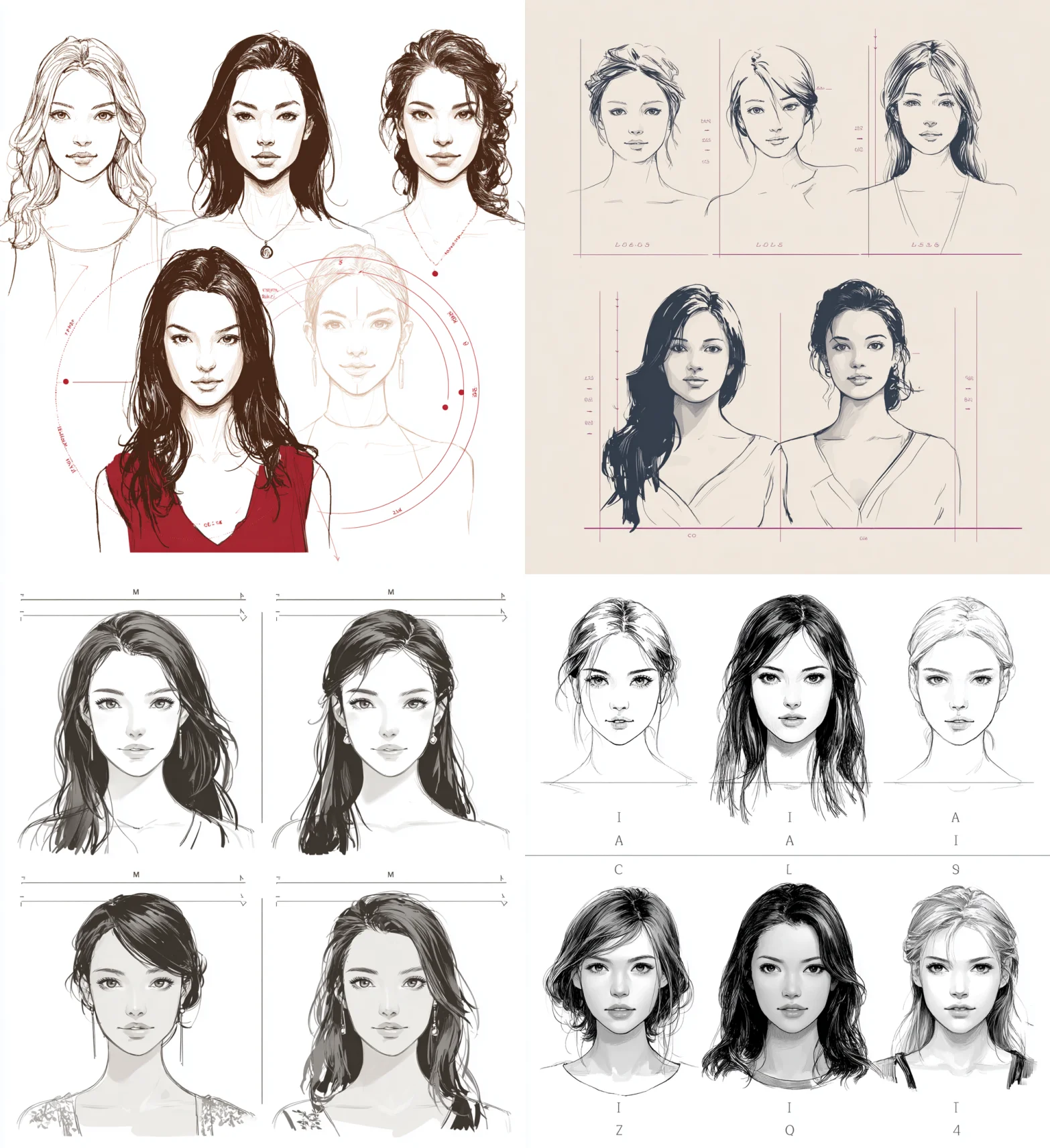
Let』s break this down through the lens of three core cultural codes that shape beauty: the Historical Code (where beauty comes from), the Social Code (what beauty signifies), and the Evolutionary Code (why beauty persists). Together, these form the scaffolding of aesthetic ideals across time and geography.
The Historical Code: Beauty as a Time Capsule
Beauty is never born in a vacuum. It is a product of history, etched into the collective memory of a culture. Take the European Renaissance, where fuller figures and pale skin were celebrated as symbols of wealth and leisure—only the affluent could afford to avoid manual labor and stay indoors. Fast forward to the 20th century, and the tanned, athletic body became the ideal in the West, reflecting a shift toward health, vitality, and outdoor lifestyles post-industrialization.
In East Asia, the historical code of beauty reveals a different narrative. For centuries, pale skin has been a hallmark of attractiveness in countries like China and Japan, rooted in Confucian ideals of refinement and class distinction. The Tang Dynasty』s preference for plump faces and rounded figures symbolized prosperity, while later eras shifted toward delicate, willow-like features, reflecting changing ideals of femininity.
These historical codes aren』t just trivia; they are active forces in modern aesthetics. When a patient requests a “V-shaped face” in South Korea, they』re not just chasing a trend—they』re tapping into a centuries-old reverence for symmetry and balance, now amplified by K-pop and global media. As practitioners, understanding these historical underpinnings allows us to contextualize patient desires, moving beyond surface-level requests to address the deeper cultural stories they carry.

The Social Code: Beauty as a Status Symbol
If history gives beauty its roots, society gives it meaning. The Social Code of beauty dictates that attractiveness is often a shorthand for power, privilege, or belonging. In many cultures, beauty standards are gatekeepers of social capital. Consider the modern Western obsession with youthfulness—smooth skin, tight contours, minimal wrinkles. This isn』t just about looking young; it』s about signaling vitality, relevance, and economic stability in a competitive, youth-driven economy.
In contrast, some African and Middle Eastern cultures celebrate fuller figures or intricate facial scarring as markers of beauty, often tied to rites of passage or tribal identity. These traits aren』t merely aesthetic; they』re badges of honor, signifying resilience, fertility, or community status. When medical aesthetics intersects with these codes, the stakes are high. A procedure like liposuction or fillers isn』t just a physical change—it can be a negotiation of social identity, either aligning with or challenging cultural norms.
Social media has turbocharged this Social Code, creating a globalized beauty lexicon where certain features (think Instagram』s 「golden ratio」 faces) transcend borders. But this universality comes at a cost. It often erases local codes, pressuring individuals to conform to a homogenized ideal. As aesthetic designers, we must ask: Are we perpetuating a monoculture of beauty, or are we honoring the diversity of social codes? This isn』t just ethical—it』s essential for creating outcomes that resonate authentically with patients』 lived experiences.
The Evolutionary Code: Beauty as a Biological Blueprint
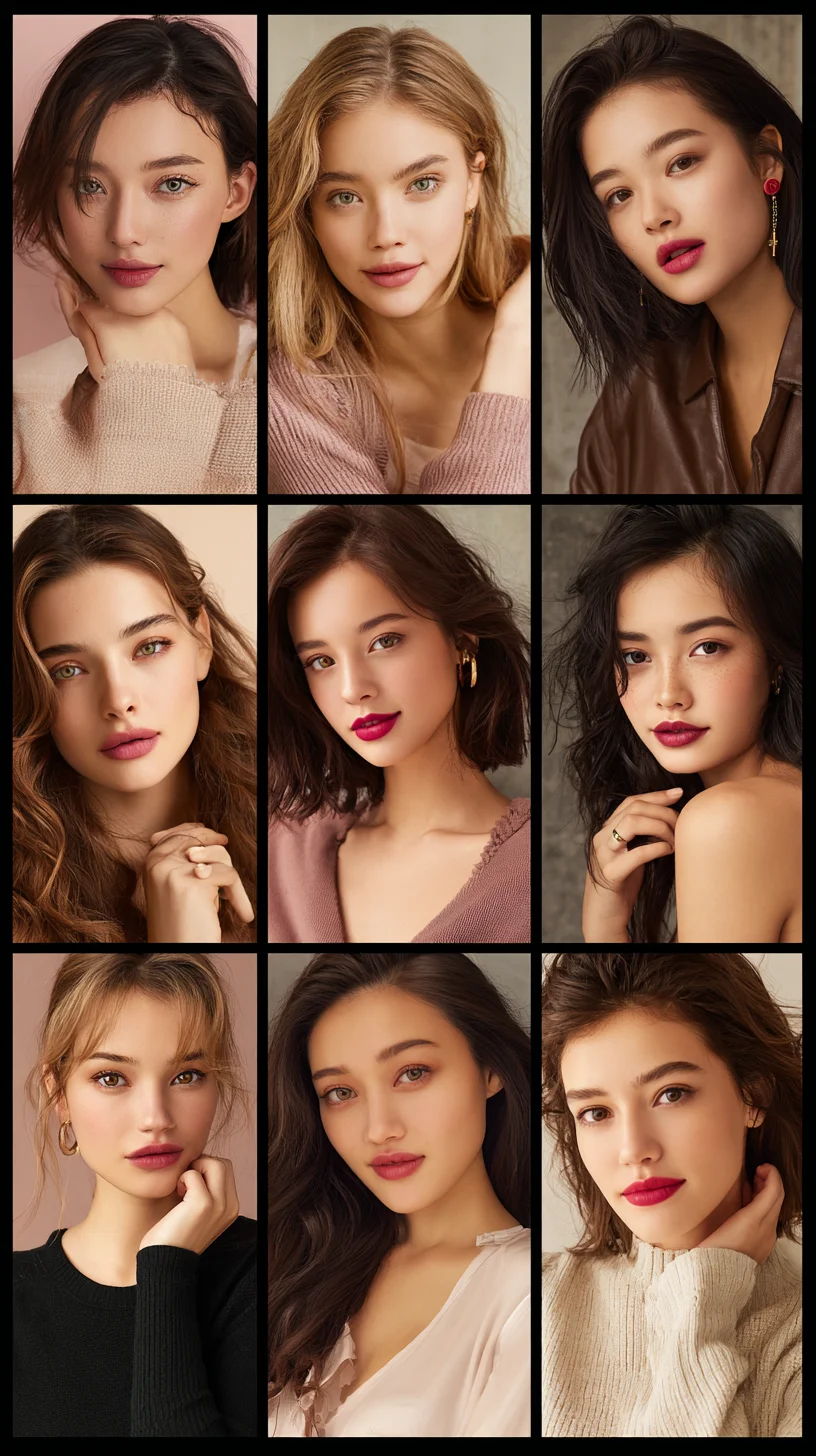
Beneath the cultural layers lies a universal foundation: the Evolutionary Code. Evolutionary psychology suggests that certain beauty traits are hardwired into our brains as indicators of health and reproductive fitness. Symmetry, for instance, is almost universally attractive because it signals genetic stability. Clear skin and bright eyes suggest freedom from disease, while specific facial proportions (like a 1:1.618 ratio of facial width to height) are often subconsciously linked to fertility and strength.
This biological lens explains why some beauty ideals persist across cultures, even as social and historical codes diverge. But evolution isn』t the whole story—it』s a starting point that culture builds upon. For example, while wide hips might be biologically tied to childbirth potential, their aesthetic value varies widely. In some cultures, they』re celebrated; in others, a narrower silhouette takes precedence due to fashion or class associations.
In medical aesthetics, the Evolutionary Code often clashes with cultural expectations. A patient might crave a hyper-defined jawline for its evolutionary appeal (strength, dominance), but their cultural context might prioritize softer, less angular features. Navigating this tension requires a nuanced approach—balancing biological imperatives with cultural nuance to create harmony rather than discord in the final result.
Rewriting the Code: From Operator to Designer
Understanding beauty』s cultural DNA isn』t just academic—it』s transformative for anyone in the medical aesthetics field. Most practitioners start as operators, mastering techniques like injectables or laser treatments. But the leap to becoming a true aesthetic designer requires fluency in these cultural codes. It』s the difference between applying a filler and sculpting a narrative, between following a trend and crafting a timeless result.

Consider a practical example: a patient requests a 「fox eye」 lift, a trend popularized by social media. An operator might execute the procedure flawlessly. A designer, however, digs deeper. They explore the patient』s cultural background—does this angular, upward tilt align with their historical or social codes of beauty? They consider evolutionary cues—does the shape enhance facial symmetry in a way that feels innate? And they anticipate future shifts—will this trend endure, or will it clash with evolving ideals?
This approach reframes medical aesthetics as an art of translation. We』re not just altering features; we』re interpreting cultural texts, mediating between past and present, biology and society. It』s a responsibility that demands both technical precision and philosophical depth.
The Future of Beauty: Decoding in a Globalized World
As globalization accelerates, the cultural codes of beauty are in flux. Hybrid ideals are emerging—think of the global rise of K-beauty, blending East Asian minimalism with Western boldness. At the same time, movements like body positivity and cultural reclamation are challenging dominant narratives, urging us to diversify the beauty lexicon.
For medical aestheticians, this is both a challenge and an opportunity. The challenge lies in navigating an increasingly complex web of codes—how do we honor individual heritage while acknowledging global influences? The opportunity is in becoming curators of beauty, not just executors. By decoding the historical, social, and evolutionary layers of aesthetics, we can create results that don』t just look beautiful—they feel meaningful.

Closing the Loop: Beauty as a Living Code
Beauty is not static. It』s a living, breathing code, constantly rewritten by history, society, and biology. As we stand at the intersection of science and art in medical aesthetics, our role is to read, interpret, and sometimes challenge these codes. We』re not just shaping faces; we』re shaping stories.
So, the next time you consult with a patient, look beyond the mirror. Ask: What cultural text are they carrying? What historical narrative shapes their ideal? What social message do they want to send? By decoding beauty』s deeper layers, we move from mere transformation to true creation—crafting not just a look, but a legacy.
Let』s stop chasing beauty. Let』s start understanding it.