You』ve probably heard it a thousand times: beauty is in the eye of the beholder. Yet, for centuries, we』ve been obsessed with codifying what makes a face 「beautiful」 through rigid systems of measurement. From Leonardo da Vinci』s classical three-part division to the modern FAMAS analysis, from the Western golden ratio to the Eastern 「three courts and five eyes」 framework, these face proportion systems promise a blueprint for perfection. But here』s the uncomfortable truth: they don』t work for everyone. And if you』re in the med-aesthetic industry—or even just someone curious about facial harmony—relying on a single framework is a recipe for mediocrity.
Let me be clear: these systems aren』t useless. They』re tools, not gospel. The mistake lies in treating them as universal truths rather than culturally and contextually specific lenses. In this post, I』m going to dismantle the myth of the 「perfect」 facial proportion system and argue that true mastery comes from understanding their origins, limitations, and applicability. By the end, you』ll see why flexibility—not formula—is the key to precise, personalized facial assessments.
The Allure of the Perfect Formula: Why We Keep Falling for It
Let』s start with why these proportion systems are so seductive. Humans crave order. A face that adheres to mathematical symmetry or specific ratios feels inherently 「right.」 It』s why da Vinci』s three-part division—splitting the face into equal thirds from hairline to brow, brow to nose tip, and nose tip to chin—has endured since the Renaissance. It』s simple, elegant, and gives the illusion of objectivity. Similarly, the golden ratio (approximately 1.618:1), often applied to facial width versus height or the spacing of features, has been hailed as the divine proportion of beauty in Western aesthetics.
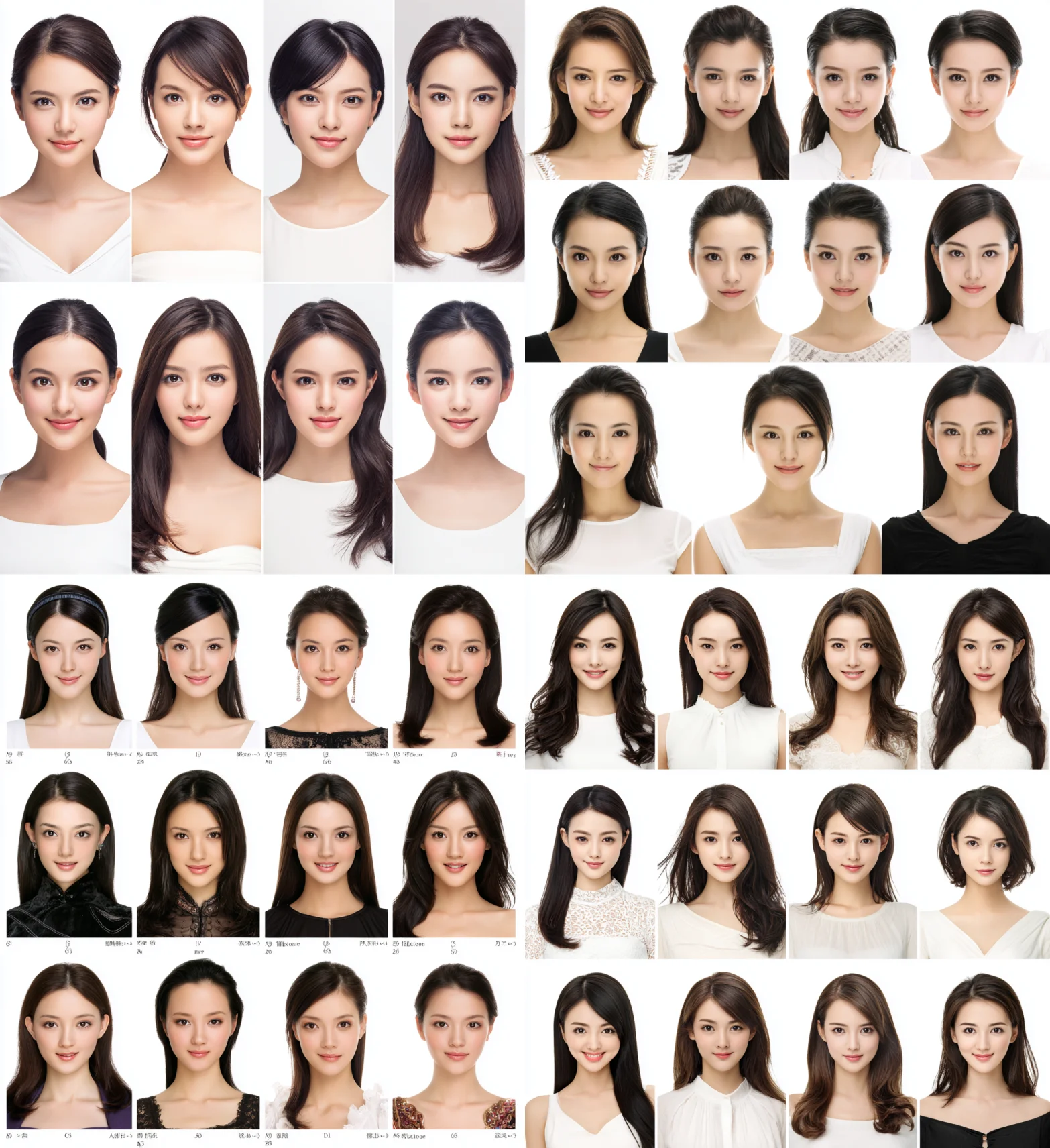
In the East, the 「three courts and five eyes」 system, rooted in traditional Chinese physiognomy, offers a different but equally compelling structure. The face is divided into three vertical sections (upper, middle, and lower courts) and five horizontal eye-widths to assess balance. It』s not just about aesthetics; it』s tied to cultural beliefs about fortune and character.
Fast forward to today, and we have tools like FAMAS (Facial Aesthetic Mapping and Analysis System), a modern, data-driven approach that uses 3D imaging and anthropometric data to analyze facial proportions with surgical precision. These systems, old and new, promise clarity in a field where subjectivity often reigns supreme. So why wouldn』t we cling to them?
Here』s the rub: they』re built on assumptions that don』t hold up under scrutiny. Da Vinci』s thirds were based on idealized European faces of the 16th century. The golden ratio, while mathematically fascinating, often fails to account for ethnic diversity or individual quirks that make a face striking. 「Three courts and five eyes」 carries cultural baggage that may not resonate outside East Asian contexts. And FAMAS, for all its tech, can』t capture the intangible charisma of a face that breaks every rule. If you』re blindly applying these systems, you』re not assessing—you』re box-checking.
The Cultural Lens: Beauty Is Not Universal
Let』s dig deeper into the cultural underpinnings of these frameworks, because context is everything. Take the golden ratio. In Western art and aesthetics, it』s often treated as the ultimate standard, with studies claiming that faces closer to this ratio are universally perceived as attractive. But cross-cultural research paints a different picture. A 2015 study in Frontiers in Human Neuroscience found that while Western participants rated golden ratio faces highly, participants from non-Western backgrounds prioritized other traits, like skin tone or facial expressiveness, over strict proportionality.

Now consider 「three courts and five eyes.」 This system emerged from ancient Chinese face-reading practices, where a balanced face was thought to reflect a balanced life. A wider middle court, for instance, might signify intelligence or prosperity. But apply this to a Western patient seeking med-aesthetic consultation, and the framework starts to feel irrelevant—or worse, alienating. I』ve seen practitioners in global clinics struggle to explain why a patient』s 「lower court」 is 「too short」 when the patient doesn』t even value that metric.
Even modern tools like FAMAS, which aim for objectivity through technology, aren』t immune to bias. The datasets used to train these systems often skew toward certain demographics, meaning the 「ideal」 proportions they spit out might not reflect the diversity of real-world faces. If you』re a clinician or designer using FAMAS without questioning its reference points, you』re at risk of perpetuating a narrow definition of beauty.
The point isn』t to trash these systems. It』s to recognize that they』re products of their time and place. Beauty isn』t a monolith, and no single framework can claim to define it universally. So why do we keep pretending otherwise?
The Practical Pitfall: When Proportions Clash with Personality
Let』s pivot to the real-world implications. Imagine you』re a med-aesthetic practitioner with a client who wants a rhinoplasty. You pull out your trusty golden ratio calculator and determine that their nose should be 1.618 times shorter to 「harmonize」 with their face. You present the plan, and they balk. Why? Because that shorter nose erases the strong, distinctive profile they』ve always loved about themselves. You』ve just prioritized a formula over their identity.

This isn』t a hypothetical. I』ve spoken to countless professionals who』ve admitted to over-relying on proportion systems early in their careers, only to realize that clients don』t want cookie-cutter results. A face that adheres perfectly to da Vinci』s thirds might look balanced on paper but feel lifeless in person. Conversely, some of the most iconic faces in history—think Frida Kahlo or David Bowie—defy every rule of symmetry and proportion. Their uniqueness is their beauty.
Modern systems like FAMAS can fall into the same trap. While they offer incredible precision for surgical planning, they can』t quantify charm or cultural resonance. A 2020 study in Aesthetic Surgery Journal highlighted that patients often rated post-surgical outcomes lower when surgeons focused too heavily on achieving 「ideal」 proportions rather than preserving individual character. Numbers don』t tell the whole story.
So if these systems are flawed, should we abandon them? Absolutely not. The error isn』t in using them—it』s in letting them use us.
The Way Forward: Flexibility as the Ultimate Skill
Here』s where we flip the script. Facial proportion systems aren』t the enemy; rigid thinking is. The best practitioners I』ve encountered don』t swear by one framework. They』re fluent in many. They understand da Vinci』s thirds as a historical benchmark, not a mandate. They apply the golden ratio as a loose guide, not a law. They respect 「three courts and five eyes」 as a window into East Asian ideals while recognizing its limits outside that context. And they use FAMAS as a starting point, not a finish line.

This flexibility allows for something revolutionary: personalized assessment. Instead of forcing a patient』s face into a predetermined mold, you start with their unique features, cultural background, and personal goals. Then you layer in elements of proportion systems as needed. Maybe the golden ratio helps you refine the width of their jawline, but you tweak it to preserve their signature asymmetry. Or perhaps FAMAS data flags a structural imbalance, but you adjust the recommendation based on the patient』s emotional connection to their 「imperfect」 nose.
This approach isn』t just more effective—it』s more ethical. A 2019 survey in Plastic and Reconstructive Surgery found that patients reported higher satisfaction when clinicians took a collaborative, individualized approach over a strictly technical one. People want to feel seen, not measured.
Building this skill takes time. It means studying the history and assumptions behind each system. It means staying curious about cross-cultural perceptions of beauty. And it means practicing empathy—listening to what a patient values in their own face, even if it doesn』t align with a textbook ideal. But the payoff is immense: assessments that are precise, meaningful, and deeply human.
Breaking the Mold: Your Face, Your Rules
Let』s circle back to the myth we started with—the idea that a single proportion system can unlock the secret to beauty. It can』t. Da Vinci』s thirds, the golden ratio, 「three courts and five eyes,」 and FAMAS are all valuable, but only as pieces of a larger puzzle. They』re lenses, not blueprints, and each comes with its own cultural and historical baggage.

If you』re in the med-aesthetic field, your job isn』t to enforce a standard. It』s to interpret and adapt. If you』re a client or enthusiast, don』t let yourself be boxed in by someone else』s idea of perfection. Beauty isn』t a formula—it』s a conversation. And the sooner we stop chasing universal rules, the sooner we can start celebrating faces for what they truly are: unique.
So next time you』re tempted to measure a face against a rigid grid, pause. Ask yourself: What story does this face tell? What makes it unforgettable? And how can I use these tools—not as dictators, but as guides—to honor that story? That』s where real transformation begins.