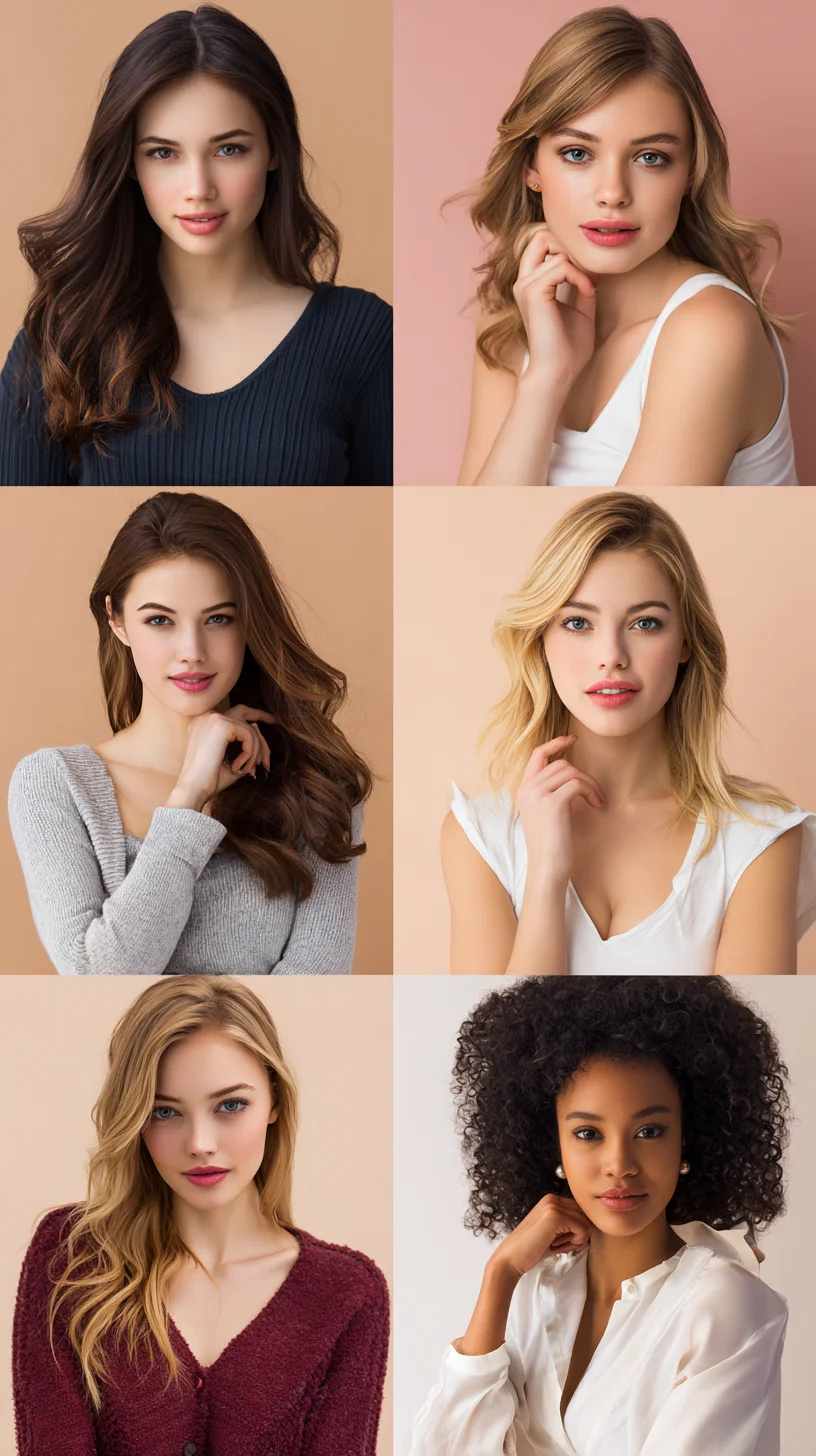
In a world saturated with images, where every scroll, click, and swipe delivers a meticulously curated vision of beauty, we rarely pause to ask: who decides what is beautiful? The answer lies not in some universal truth, but in the invisible machinery of media—a powerful force that constructs, amplifies, and sells aesthetic ideals. From glossy magazine covers of the 20th century to the filtered selfies of Instagram, mass media has shaped our perception of beauty with surgical precision. As professionals in the medical aesthetics (med-aesthetics) industry, understanding this mechanism is not just an academic exercise; it』s a critical tool for navigating the complex interplay between client expectations, cultural narratives, and ethical practice. Let』s dissect how media builds the scaffolding of beauty standards, why it matters, and how we can engage with this reality without becoming complicit in its more damaging effects.
The Historical Blueprint: Media as the Architect of Beauty
To understand the present, we must first look to the past. Media』s role in defining beauty is not a modern invention born of social platforms; it』s a tradition as old as the printing press. In the early 20th century, fashion magazines like Vogue and Harper』s Bazaar weren』t just selling clothes—they were selling an idealized lifestyle. The women on their pages, often illustrated or photographed in black-and-white elegance, embodied a narrow vision of beauty: pale skin, slender figures, and delicate features. These images weren』t random; they were deliberate choices made by editors, photographers, and advertisers who understood that beauty could be weaponized as a cultural currency.
This wasn』t mere representation—it was prescription. Media didn』t just reflect beauty; it dictated it. By the mid-20th century, Hollywood joined the fray, with stars like Marilyn Monroe and Audrey Hepburn becoming archetypes of femininity. Their images, often retouched and staged, were broadcast globally, cementing a Eurocentric ideal that marginalized entire populations. The mechanism was simple but effective: repetition. Show the same narrow standard enough times, and it becomes the default. This wasn』t accidental; it was a business model. Beauty, as defined by media, sold products—whether lipstick, diet plans, or, later, cosmetic procedures.
The Digital Shift: From Gatekeepers to Algorithms
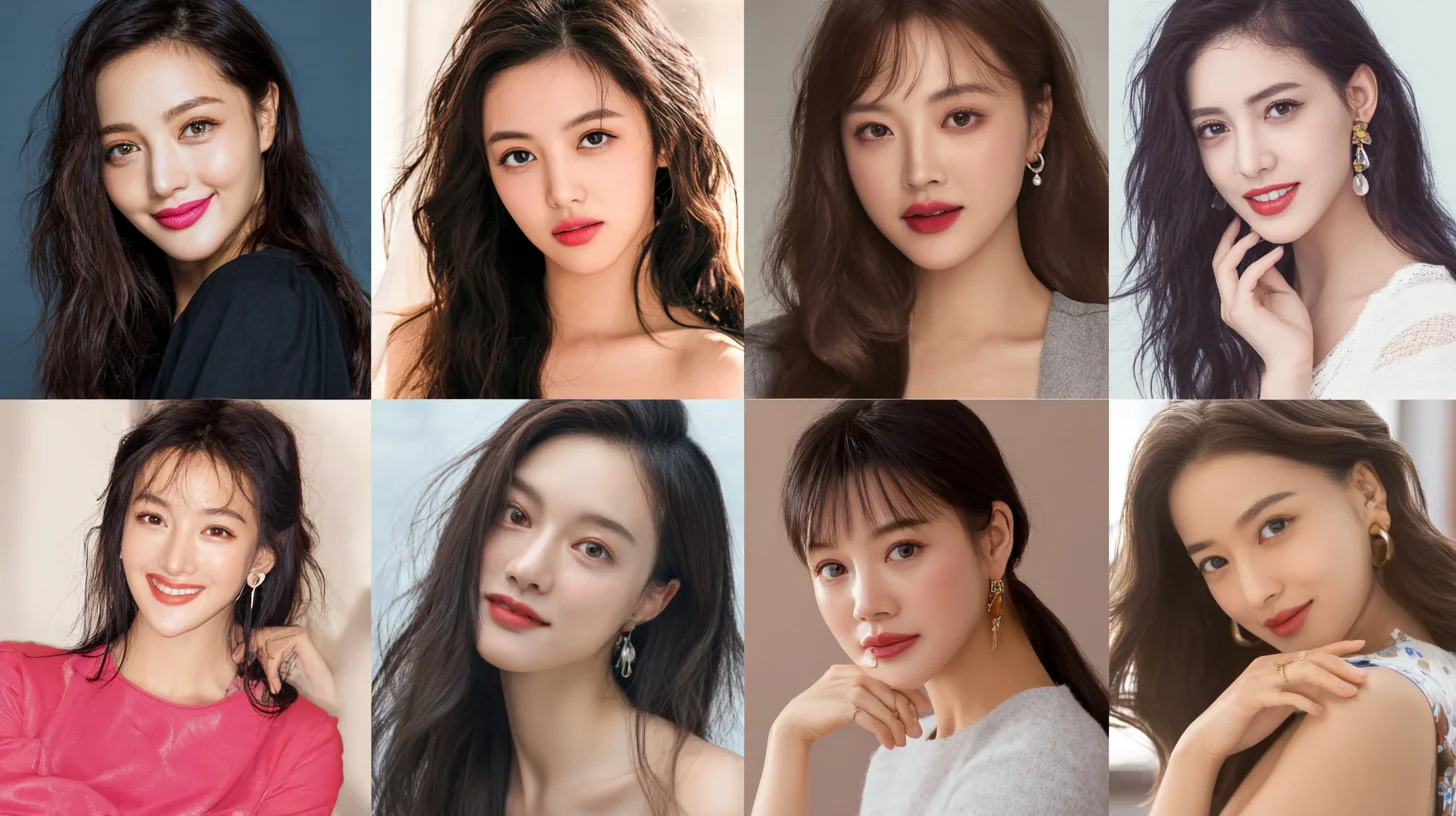
Fast forward to the 21st century, and the landscape has shifted, though the underlying dynamics remain eerily familiar. Social media platforms like Instagram and TikTok have democratized content creation, allowing anyone with a smartphone to become a tastemaker. Yet, this apparent freedom masks a new form of control: algorithms. These invisible curators decide what we see based on engagement metrics, often prioritizing content that aligns with pre-existing biases. A filtered selfie with flawless skin and symmetrical features gets more likes, so the algorithm pushes it further. The result? A feedback loop where a homogenized version of beauty—think high cheekbones, full lips, and a tiny waist—becomes the digital norm.
This isn』t just a passive process. Influencers, often in partnership with brands, actively shape these standards. Many openly discuss their med-aesthetic treatments, from Botox to fillers, normalizing procedures as part of a 「self-care」 routine. While this transparency can be empowering, it also creates pressure. When a 20-year-old sees a celebrity endorse a treatment they 「need」 to maintain youth, the seed of insecurity is planted. Here, media isn』t just reflecting beauty—it』s commodifying it, turning personal appearance into a status symbol that can be bought, if you have the means.
The Production Mechanism: Deconstructing the Image Factory
Let』s zoom in on how these beauty standards are produced. Media operates as an image factory, with every output carefully engineered. Consider a fashion magazine photoshoot: the model is selected for specific traits, often fitting a narrow demographic. Lighting, makeup, and wardrobe are orchestrated to enhance certain features. Post-production, Photoshop erases any 「imperfections」—a blemish here, a wrinkle there. The final image isn』t a person; it』s a product, designed to evoke desire and aspiration.
Social media amplifies this process through filters and editing apps. Tools like Facetune allow users to sculpt their digital selves, smoothing skin or reshaping noses with a swipe. What』s insidious is how these tools normalize alteration. When everyone』s feed features perfected faces, the unedited reality feels deficient. This isn』t just a cultural trend; it』s a psychological operation. Studies, such as those published in the Journal of Social and Clinical Psychology (2018), have linked heavy social media use to body dissatisfaction and lower self-esteem, particularly among young women. The media』s beauty standard isn』t just an idea—it』s a mental health issue.
The Med-Aesthetics Connection: A Symbiotic Relationship
Now, let』s connect this to the med-aesthetics industry. Media doesn』t just shape beauty standards; it drives demand for our services. When a celebrity posts about their 「tweakments」—a subtle filler or a non-invasive lift—search queries for those procedures spike. A 2021 report from the American Society of Plastic Surgeons noted a 30% increase in minimally invasive treatments like Botox following social media trends. Clients walk into clinics not with abstract desires, but with specific requests, often inspired by an image they』ve seen online. 「I want lips like Kylie Jenner,」 they say, or 「Can you make my jawline sharper, like on TikTok?」
This relationship is symbiotic but fraught. Media creates the demand, and we, as practitioners, fulfill it. Yet, this dynamic raises ethical questions. Are we reinforcing unattainable standards by catering to media-driven desires? Or are we empowering clients by giving them agency over their appearance? The line is blurry. A skilled practitioner must navigate this tension, balancing technical expertise with a critical awareness of where these desires originate. It』s not enough to perform a procedure flawlessly; we must also ask whether the client』s expectations are rooted in personal choice or societal pressure.
The Ripple Effects: Cultural and Social Impacts
The influence of media on beauty standards extends beyond individual choices—it shapes entire cultural narratives. Consider skin whitening products in parts of Asia or the obsession with thinness in Western media. These ideals, often propagated by global media, carry colonial and patriarchal undertones, privileging certain bodies over others. In India, for instance, fairness creams are a billion-dollar industry, fueled by advertisements that equate lighter skin with success and desirability. This isn』t just marketing; it』s a form of cultural conditioning that devalues diversity.
Closer to home, the 「Instagram face」—a term coined by writer Jia Tolentino—illustrates how media flattens beauty into a single, replicable look. High cheekbones, plump lips, and a contoured nose, often achieved through fillers and filters, have become a global template. This homogenization erases cultural and individual uniqueness, creating a world where beauty is less about identity and more about conformity. For med-aesthetics professionals, this poses a challenge: how do we celebrate diversity when the media pushes a monolithic ideal?
Towards Media Literacy: A Call to Action for Practitioners
So, what can we do? The first step is cultivating media literacy—both for ourselves and our clients. This means understanding how beauty standards are constructed and questioning the images we consume. When a client requests a procedure inspired by a celebrity, engage them in a conversation. Ask: Why do you want this? What does this change mean to you? Often, these discussions reveal deeper insecurities tied to media exposure, not personal dissatisfaction. As practitioners, we can guide clients toward decisions that reflect their authentic selves, not a filtered fantasy.
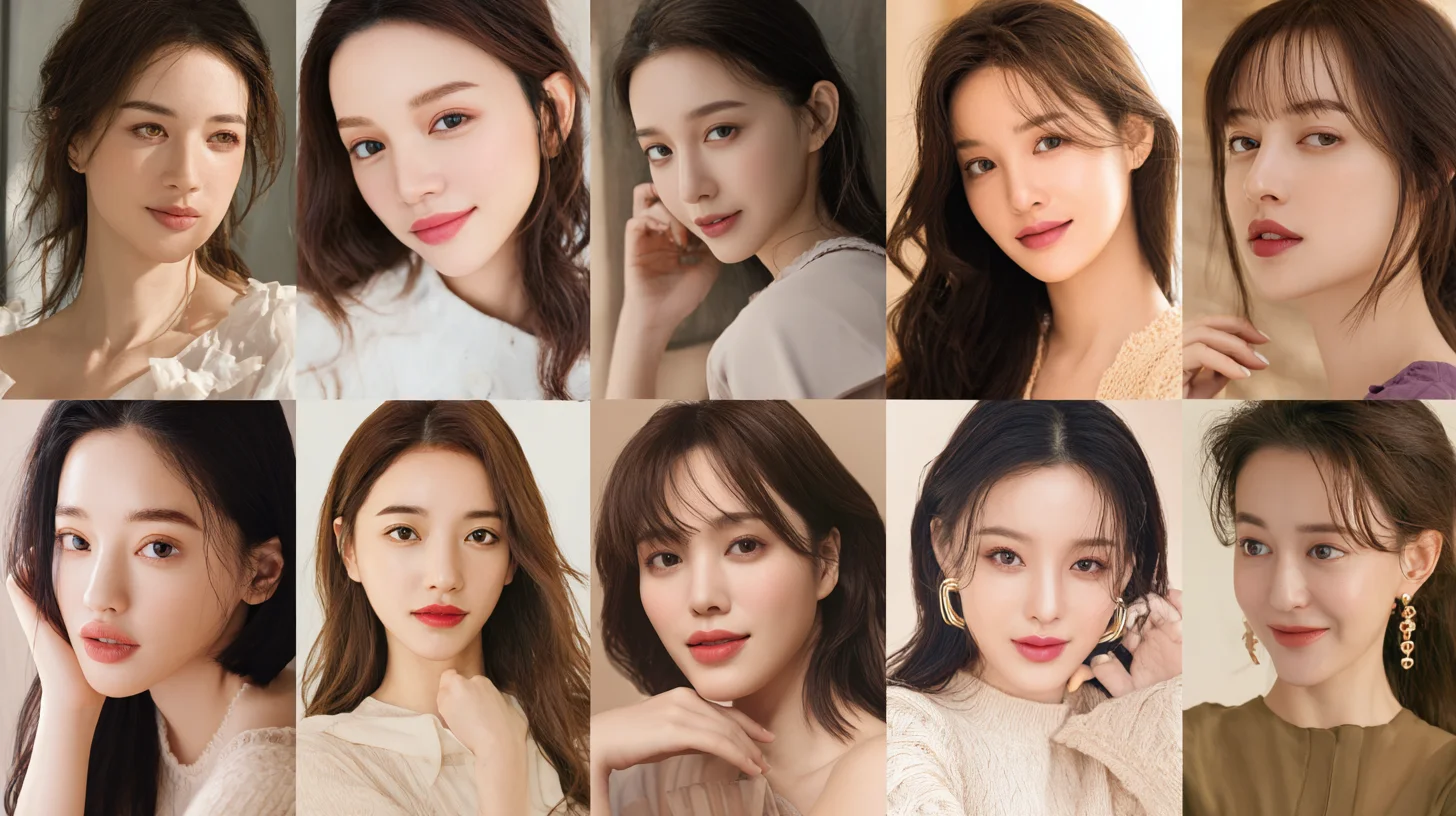
Secondly, we must advocate for diversity in representation. Partner with influencers and brands that showcase a range of beauty—different skin tones, body types, and ages. Use your platform, whether a clinic』s social media or a personal blog, to challenge the narrow ideals media often perpetuates. Highlight before-and-afters that aren』t about achieving perfection, but about enhancing natural features. This isn』t just ethical—it』s good business. Clients are increasingly drawn to authenticity in a world of over-polished images.
Finally, let』s push for systemic change. Support regulations on digital editing tools and advocate for transparency in influencer marketing. If a photo is heavily edited or a post is sponsored, it should be labeled as such. These small shifts can disrupt the illusion of perfection that media constructs, giving clients a clearer lens through which to view beauty.
Finding Balance in a Media-Driven World
The media』s role in shaping beauty standards is undeniable, a force as pervasive as gravity. From the curated pages of magazines to the endless scroll of social feeds, it builds a world where beauty is both a promise and a pressure. For med-aesthetics professionals, this reality is a double-edged sword. We operate at the intersection of art, science, and culture, where client desires are often sculpted by forces beyond their control. Our challenge is to meet those desires with skill and empathy, while also questioning the narratives that fuel them.
This isn』t about rejecting media or its influence—that』s neither realistic nor desirable. Instead, it』s about engaging with it critically, recognizing its power to both inspire and harm. By understanding the machinery behind beauty standards, we can help clients navigate their choices with clarity, ensuring that the transformations we facilitate are rooted in confidence, not conformity. In a world obsessed with the surface, our role is to dig deeper, to see beyond the image, and to redefine beauty on our own terms—one client, one conversation, one procedure at a time.