Act 1: The Mirror of Society – Beauty as a Cultural Force
In the sterile glow of a clinic, a needle hovers over skin, poised to sculpt a jawline or smooth a forehead. To the untrained eye, this is merely a transaction—an individual seeking transformation. But zoom out, and you』ll see something far more profound: the medical aesthetics industry is not just altering faces; it』s shaping the very soul of society. Every injection, every laser pulse, every consultation carries an unspoken weight—a ripple that extends far beyond the individual to influence collective values, norms, and perceptions of worth.
Medial aesthetics, or medspa as it』s often called, operates at the intersection of science and desire. It promises to bridge the gap between who we are and who we wish to be. But in doing so, it also constructs invisible frameworks—standards of beauty that dictate what is 「normal,」 「desirable,」 or 「acceptable.」 These frameworks are not neutral. They are laden with cultural baggage, reflecting and reinforcing biases about age, gender, race, and class. A perfectly contoured nose might seem like a personal choice, but it often echoes a Eurocentric ideal. A wrinkle-free face might feel empowering, but it can subtly perpetuate the notion that aging is a flaw to be erased.
Consider this: when a client walks into a clinic seeking a 「Kardashian lip」 or a 「Hollywood cheekbone,」 they are not just chasing a personal aesthetic. They are responding to a societal script—one that medspa professionals, whether consciously or not, help to write. Social media amplifies this dynamic, turning beauty trends into viral mandates. A single influencer』s filler-enhanced pout can spark a wave of demand, and suddenly, a specific look becomes the benchmark for millions. As practitioners, we are not just service providers; we are gatekeepers of culture, wielding tools that can either liberate or imprison.
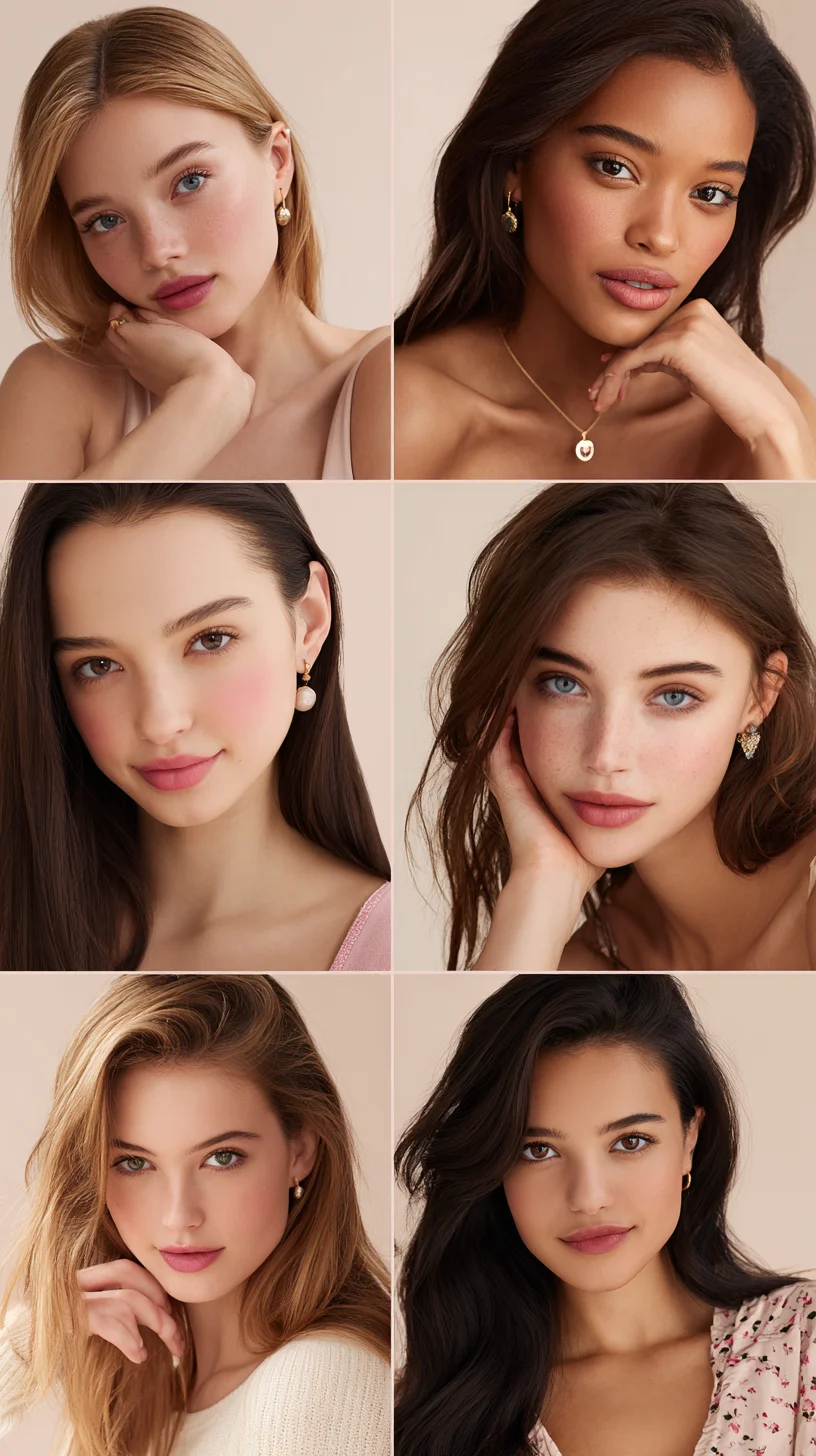
The question isn』t whether medspa influences society—it』s how. And more critically, what responsibility do we bear for the narratives we help create?
Act 2: The Tension – Individual Desire vs. Collective Harm
At the heart of medical aesthetics lies a paradox: the industry thrives on empowering individuals to define their own beauty, yet it often reinforces narrow, exclusionary standards that can harm the collective psyche. This tension is not abstract; it manifests in the stories of clients who feel pressured to conform, in the unspoken hierarchies of beauty privilege, and in the mental health crises tied to unattainable ideals.
Take the rise of 「Instagram face」—a term coined to describe the homogenized look of full lips, high cheekbones, and cat-like eyes that dominates social media. This aesthetic, often achieved through fillers and Botox, has become a cultural shorthand for beauty. But it』s also a trap. Studies, like those from the American Psychological Association, show a correlation between exposure to idealized images and increased body dissatisfaction, particularly among young women. When every face starts to look the same, diversity is erased, and the message is clear: there is only one way to be beautiful. As practitioners, we might celebrate a client』s newfound confidence post-procedure, but are we also complicit in perpetuating a system that makes others feel inadequate?
Then there』s the issue of accessibility. Medspa treatments are often expensive, positioning beauty as a luxury good available only to those with means. This creates a class divide where certain looks—smooth skin, sculpted features—become markers of status. A 2022 report by the Global Wellness Institute noted that the global medical aesthetics market is projected to reach $332 billion by 2027, yet access remains unevenly distributed. When beauty is tied to wealth, it』s not just a personal choice; it』s a social statement that can deepen inequality.

The ethical dilemma is stark: how do we honor an individual』s right to self-expression while mitigating the broader harm of reinforcing toxic standards? How do we ensure that our work doesn』t contribute to a culture where worth is measured by appearance—or worse, by the ability to afford it?
Act 3: The Reckoning – Owning Our Role as Cultural Shapers
If we accept that medical aesthetics is a cultural force, then we must also accept the responsibility that comes with it. We are not just technicians; we are storytellers, educators, and influencers in our own right. Every consultation is an opportunity to challenge harmful norms, to advocate for diversity, and to foster a healthier relationship with beauty. But this requires a shift in mindset—from passive service providers to active cultural shapers.
First, we must interrogate the standards we promote. This starts with education—both for ourselves and our clients. Are we pushing procedures because they』re trendy, or because they genuinely align with a client』s unique vision of beauty? A 2021 study in the Journal of Cosmetic Dermatology found that 68% of patients felt pressured by social media to pursue treatments they hadn』t initially considered. As practitioners, we can counter this by fostering dialogue during consultations. Ask clients why they want a specific look. Challenge them to define beauty on their own terms. By doing so, we plant seeds of critical thinking that can disrupt the cycle of conformity.
Second, we must champion diversity in our practice. This means showcasing a range of beauty ideals in our marketing, celebrating natural features, and resisting the urge to replicate cookie-cutter looks. It also means being mindful of the language we use. Terms like 「fixing」 or 「correcting」 imply that a client』s natural state is inherently wrong. Instead, frame treatments as enhancements—tools for self-expression rather than solutions to flaws. Representation matters. When clients see a spectrum of beauty in our work, they are reminded that there is no single 「right」 way to look.

Third, we must address accessibility and equity. While systemic change is beyond any single practitioner』s control, small steps can make a difference. Offering sliding-scale pricing, community education events, or pro bono services for underserved groups can help democratize beauty. More importantly, we can advocate for industry-wide reforms, pushing for regulations that prioritize safety and inclusivity over profit.
Finally, we must prioritize mental health. The link between aesthetic procedures and psychological well-being is complex. A 2019 meta-analysis in Plastic and Reconstructive Surgery found that while many patients report improved self-esteem post-treatment, a significant minority experience body dysmorphic disorder (BDD) or other mental health challenges. Screening for BDD before procedures, partnering with therapists, and providing resources for clients struggling with self-image are not just ethical imperatives—they are acts of social responsibility.
Act 4: The Vision – Building a New Beauty Ethos
Imagine a future where medical aesthetics is not a tool of conformity, but a catalyst for liberation. Where clinics are not factories of sameness, but sanctuaries of individuality. Where beauty is not a monolith, but a mosaic—diverse, dynamic, and deeply personal. This is not a utopian fantasy; it』s a tangible goal, and it starts with us.
To build this future, we must redefine success in our industry. Success is not the number of procedures performed or the revenue generated; it』s the number of lives uplifted, the number of harmful stereotypes dismantled, the number of clients who walk out of our doors feeling seen rather than judged. It』s about creating a culture where beauty is a celebration of humanity, not a competition.
This requires collective action. Industry leaders, from practitioners to product manufacturers, must collaborate to set new standards—standards that prioritize ethics over trends, diversity over uniformity, and well-being over profit. Professional organizations like the American Society for Aesthetic Plastic Surgery can lead the charge by integrating social responsibility into training programs, ensuring that the next generation of medspa professionals is equipped to navigate these complex issues.
It also requires personal commitment. Each of us must ask: What kind of world do I want my work to create? When a client sits in my chair, am I merely fulfilling a request, or am I shaping a narrative? Am I perpetuating a system of exclusion, or am I building one of inclusion? These are not easy questions, but they are necessary. They force us to confront the power we hold and the legacy we leave behind.
The medical aesthetics industry stands at a crossroads. We can continue down the path of commodified beauty, where looks are currency and conformity is king. Or we can chart a new course—one where beauty is a bridge, connecting individuals to their truest selves and society to its highest ideals. The choice is ours, and the stakes could not be higher. Because in the end, we are not just crafting faces; we are crafting culture. And that is a responsibility worth embracing.