Introduction: The Language of Beauty
Beauty is not just a visual experience; it』s a language, a system of signs that communicates values, status, and identity. In the realm of medical aesthetics (med-aesthetics), practitioners are not merely technicians of transformation but also unwitting linguists, crafting and reinforcing the semiotics of beauty in society. Every injection, every contour, every procedure speaks—sometimes louder than words—about what is desirable, acceptable, or “normal.” As med-aesthetic professionals, we are embedded in a larger cultural narrative, one that shapes social values and individual self-perception. But what are we saying through our work? And more critically, what responsibility do we bear in shaping a healthier, more inclusive dialogue about beauty?
Using a semiotic lens—a framework that examines how meaning is created and communicated through signs and symbols—this article unpacks the deeper societal implications of med-aesthetics. We』ll explore how our industry constructs and perpetuates beauty norms, the tension between individual desires and collective standards, and how we can wield our influence to foster a more diverse and empowering aesthetic culture. Inspired by the raw, reflective style of Austin Kleon, this piece is a call to look beyond the mirror and into the meaning of our craft.
The Sign System of Med-Aesthetics: Encoding Beauty Norms
Semiotics teaches us that nothing is neutral; every image, object, or action carries meaning within a cultural context. In med-aesthetics, the “signs” we create—smooth skin, symmetrical features, sculpted bodies—are not just physical outcomes but symbols loaded with social significance. A plump lip is not merely a lip; it』s a signifier of youth, sensuality, or modernity, depending on the cultural code. A tightened jawline might signal discipline or masculinity, while a flawless complexion often reads as privilege or health. These signs are not inherent; they are constructed through media, history, and, increasingly, through the hands of aesthetic practitioners.

Consider the rise of the “Instagram face”—a term coined to describe the homogenized look of high cheekbones, full lips, and cat-like eyes that dominates social media. This aesthetic, often achieved through fillers and Botox, has become a globalized symbol of beauty, a visual shorthand for “attractive” that transcends borders. But as practitioners, we must ask: What are we encoding when we replicate this look en masse? Are we reinforcing a narrow, Eurocentric ideal that erases cultural diversity? Are we telling our clients—implicitly—that their natural features are “less than”? The semiotics of med-aesthetics reveals a troubling feedback loop: societal demand drives procedures, and procedures, in turn, normalize certain looks, further entrenching them as the standard.
This isn』t to say that individual choice doesn』t matter. Clients come to us with personal desires, often seeking to align their appearance with internal identities or cultural ideals. But semiotics reminds us that no choice exists in a vacuum. The “personal” is shaped by the “social”—by the images we consume, the influencers we follow, and the subtle messages embedded in advertising. As practitioners, we are not just responding to demand; we are active participants in this sign system, amplifying certain symbols over others. The question then becomes: How do we balance honoring individual agency while challenging harmful or exclusionary norms?
The Tension of Meaning: Individual Desire vs. Collective Harm
At the heart of med-aesthetics lies a semiotic tension between two competing messages: empowerment and conformity. On one hand, our work can be a powerful act of self-expression, a way for individuals to claim agency over their bodies and rewrite their personal narratives. A transgender client seeking facial feminization surgery, for example, may find profound meaning in aligning their external appearance with their internal truth. A scar revision might restore confidence to someone who felt defined by past trauma. These are deeply personal signs, imbued with individual significance.
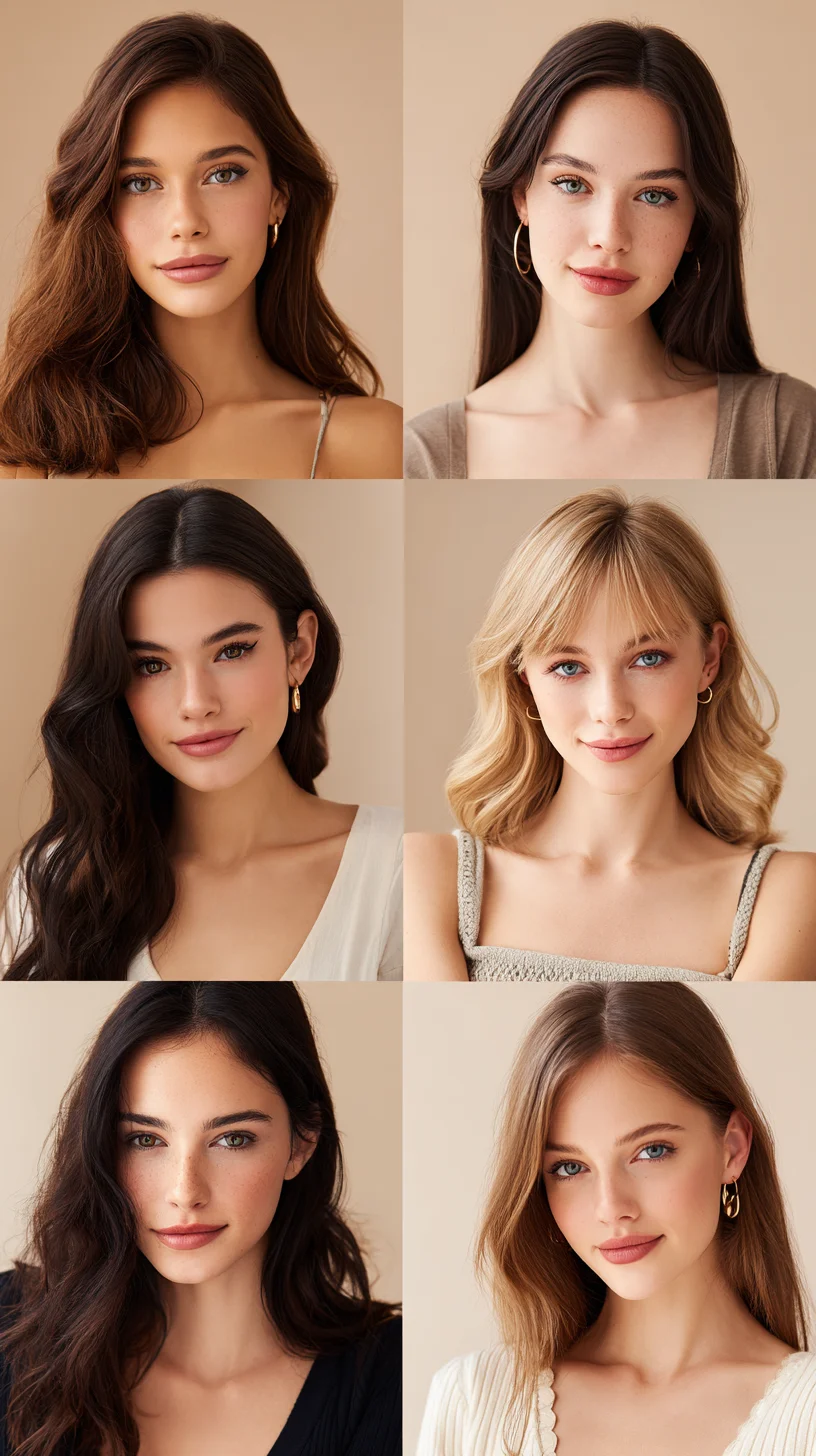
Yet, when aggregated, these individual choices often coalesce into collective patterns that reinforce restrictive beauty standards. The pursuit of “perfection”—often coded as youthful, thin, and symmetrical—can perpetuate a culture of comparison and inadequacy. Semiotically, the repeated replication of certain features (e.g., the “perfect” nose or “ideal” body ratio) transforms them into dominant signifiers, marginalizing those who fall outside the norm. The result is a paradox: while med-aesthetics can liberate individuals, it can also imprison society within a narrow visual vocabulary.
This tension is particularly evident in the context of ageism and gender norms. Anti-aging treatments like Botox and fillers are often framed as “empowering” choices for women, a way to defy societal expectations of aging gracefully. But the underlying message—encoded in every smoothed wrinkle—is that aging itself is undesirable, a flaw to be erased. Similarly, procedures marketed toward men, such as jawline enhancement, often reinforce rigid ideals of masculinity, signaling that strength and dominance are tied to physical form. As practitioners, we must interrogate the semiotics of our offerings: Are we truly empowering, or are we perpetuating a system that equates worth with appearance?
Decoding Responsibility: Practitioners as Cultural Curators
If med-aesthetics is a language, then practitioners are its storytellers. We have the power to shape the narrative, to challenge dominant signs, and to introduce new symbols into the cultural lexicon. This is where social responsibility comes into play. Rather than passively replicating trending aesthetics, we can act as cultural curators, using our expertise to promote diversity, health, and authenticity.
One way to do this is by reframing the semiotics of beauty in our consultations. Instead of focusing on “fixing” perceived flaws—a term that inherently codes natural features as defective—we can emphasize enhancement or alignment with personal identity. This shift in language changes the meaning of our work, positioning it as a collaborative act of self-expression rather than a corrective measure. For example, when a client requests a procedure to look like a specific influencer, we can decode their desire: What is the underlying need or value they』re seeking (confidence, belonging, uniqueness)? By addressing that need rather than replicating a cookie-cutter look, we disrupt the cycle of homogenization.
Education also plays a critical role in reshaping beauty』s sign system. By openly discussing the constructed nature of beauty standards—through social media, workshops, or client interactions—we can demystify the symbols we create. Highlighting the diversity of beauty across cultures and histories (e.g., the fuller figures celebrated in Renaissance art or the scarification practices of certain African tribes) introduces alternative signifiers, broadening the visual language available to clients. This not only empowers individuals to make informed choices but also challenges the dominance of Western, often unattainable ideals.
Finally, we must consider the ethics of representation in our own marketing. The images we share, the before-and-afters we post, are powerful signs that shape public perception. Are we showcasing a range of skin tones, body types, and ages, or are we reinforcing a singular ideal? By curating a more inclusive visual narrative, we signal that beauty is not a monolith but a spectrum—a message that can ripple outward, influencing societal values.

The Bigger Picture: From Service to Significance
Semiotics reveals that med-aesthetics is not just a service industry; it』s a cultural force. Every procedure we perform contributes to a larger dialogue about worth, identity, and belonging. This realization can be both daunting and inspiring. On one hand, it underscores the weight of our responsibility: a misplaced filler or an overzealous contour can perpetuate harmful stereotypes or unrealistic expectations. On the other hand, it highlights our potential for impact. We have the tools—literal and metaphorical—to redefine beauty, to make it more inclusive, and to heal rather than harm.
To embrace this role as cultural shapers, we must adopt a reflective practice. This means constantly decoding the signs we create, questioning the messages we send, and seeking feedback from diverse voices. It means advocating for mental health support alongside physical transformations, recognizing that beauty is as much about internal well-being as external appearance. And it means collaborating with other industries—psychology, sociology, media—to address the systemic roots of harmful beauty standards.
In the spirit of Austin Kleon』s raw honesty, let』s admit that this work isn』t easy. It requires unlearning our own biases, resisting commercial pressures to churn out trending looks, and sometimes saying “no” to clients whose requests may reinforce damaging norms. But it』s also deeply rewarding. When we shift the semiotics of beauty—when we help a client see their unique features as a source of strength, or when we contribute to a culture that celebrates difference—we』re not just changing faces; we』re changing stories.
Conclusion: Rewriting the Code of Beauty
The language of beauty is not fixed; it』s a living, evolving system of signs, and med-aesthetic practitioners are among its most influential authors. Through a semiotic lens, we see that our work is never just about the individual in the chair—it』s about the society that shapes their desires and the culture that interprets their transformations. By understanding and challenging the symbols we create, we can move beyond being mere service providers and become agents of change, fostering a visual vocabulary that honors diversity over uniformity, health over perfection, and authenticity over imitation.

So, let』s ask ourselves: What story are we telling through our craft? What signs are we amplifying, and which are we silencing? The answers lie not in grand gestures but in the small, deliberate choices we make every day—the way we listen to a client, the images we share, the ideals we uphold. In decoding the language of beauty, we have the chance to rewrite its code, one face, one story, one symbol at a time.