Introduction: The Myth of a Universal Beauty Standard
In a world increasingly connected by technology and media, the concept of beauty has often been distilled into a narrow, homogenized ideal. Social platforms, Hollywood, and global advertising campaigns have long perpetuated a Eurocentric or “one-size-fits-all” aesthetic—think high cheekbones, sharp jawlines, and symmetrical features as the ultimate benchmark. But as a society, we』re waking up to the reality that beauty is not a monolith. It』s a mosaic, shaped by the intricate interplay of genetics, culture, and history. As someone obsessed with dissecting complex systems—whether it』s productivity hacks or, in this case, the science of facial aesthetics—I』ve dived deep into the data, cultural narratives, and expert insights to uncover how racial and cultural differences fundamentally challenge the idea of a singular beauty standard. This isn』t just about celebrating diversity; it』s about equipping you with the tools to understand and respect the unique facial signatures of different populations, and how that translates into personalized, culturally sensitive medical aesthetics (med-aesthetics).
In this exploration, we』ll cross-analyze scientific studies, historical contexts, and modern med-aesthetic practices to reveal the profound differences in facial anatomy across races and cultures. We』ll also tackle how these differences influence beauty perceptions and why imposing a universal standard can be not just misguided, but harmful. By the end, you』ll have a framework to appreciate the nuances of facial diversity and a roadmap for designing med-aesthetic interventions that honor cultural identity over cookie-cutter ideals.
Section 1: The Anatomical Blueprint—How Race Shapes Facial Structure
Let』s start with the hard science. Facial features are not random; they』re the result of millennia of genetic adaptation to environment, diet, and social structures. Anthropologists and geneticists have mapped out distinct differences in bone structure, soft tissue distribution, and skin characteristics across major racial groups—broadly categorized as African, Asian, European, and Indigenous populations, though these are far from monolithic.

- Bone Structure Variations: Research published in the Journal of Craniofacial Surgery highlights that African populations often exhibit wider nasal bases and more pronounced prognathism (forward jaw projection) due to evolutionary adaptations in tropical climates. Conversely, East Asian populations frequently have flatter mid-faces and less prominent brow ridges, tied to genetic markers like the EDAR gene variant, which influences facial morphology. European faces often show narrower noses and more angular jawlines, a trait linked to colder climates favoring heat conservation. These skeletal differences aren』t just academic—they dictate how light and shadow play on a face, fundamentally shaping perceptions of beauty.
-
Soft Tissue and Skin: Beyond bones, soft tissue distribution varies widely. A 2018 study in Plastic and Reconstructive Surgery found that African and African-American individuals often have thicker dermal layers and more subcutaneous fat in the cheeks, creating a fuller, more rounded facial contour. In contrast, East Asian skin tends to have a higher collagen density, contributing to smoother textures but less pronounced facial hollows with age. South Asian populations often show a combination of high cheekbone prominence with softer jawlines, influenced by a mix of genetic lineages. These traits directly impact how a face ages and how med-aesthetic procedures like fillers or Botox behave.
-
The Takeaway: Anatomy isn』t neutral—it』s a cultural artifact. A nose job (rhinoplasty) that looks 「perfect」 on a European face might feel alien on an African or Asian one, not just aesthetically but functionally. Understanding these baselines is step one in avoiding the trap of a one-size-fits-all approach.
Section 2: Cultural Lenses—How History and Society Define Beauty
If anatomy is the canvas, culture is the brush. What one society venerates as beautiful can be entirely irrelevant—or even unattractive—in another. I』ve pulled from historical texts and sociological studies to unpack how beauty ideals are less about objective truth and more about cultural storytelling.

- African and African Diaspora Contexts: In many African cultures, fuller facial features and robust bone structures historically signaled health, fertility, and strength—qualities tied to survival in harsh environments. Among the Maasai of Kenya and Tanzania, for instance, facial scarring and elongated earlobes are markers of beauty and status. Fast forward to the modern African-American community, and there』s a powerful reclamation of natural features like wide noses and full lips, often in defiance of Eurocentric standards pushed by media. Yet, a 2020 survey by the American Society of Plastic Surgeons (ASPS) noted a rise in African-American patients seeking subtle rhinoplasties—not to erase their heritage, but to refine while preserving cultural identity.
-
East Asian Perspectives: In China, Japan, and Korea, beauty has long been associated with harmony and balance, rooted in Confucian ideals. Pale skin, small oval faces, and double eyelids are prized, often linked to historical class distinctions where lighter skin meant less manual labor. A 2019 report from the International Society of Aesthetic Plastic Surgery (ISAPS) shows that double-eyelid surgery (blepharoplasty) remains the most popular procedure in East Asia, not as a 「Westernization」 but as an enhancement of culturally valued traits. However, there』s pushback—younger generations are increasingly embracing monolids as a symbol of authenticity.
-
European and Western Narratives: The Western ideal, heavily influenced by Greco-Roman art, emphasizes symmetry and proportion—think the 「golden ratio」 often cited in cosmetic surgery. High cheekbones and defined jawlines dominate, yet even within Europe, there』s variation. Scandinavian aesthetics lean toward minimalistic, angular features, while Mediterranean cultures often celebrate softer, warmer tones. The danger here is globalization』s tendency to export this standard as 「universal,」 often marginalizing non-Western faces.
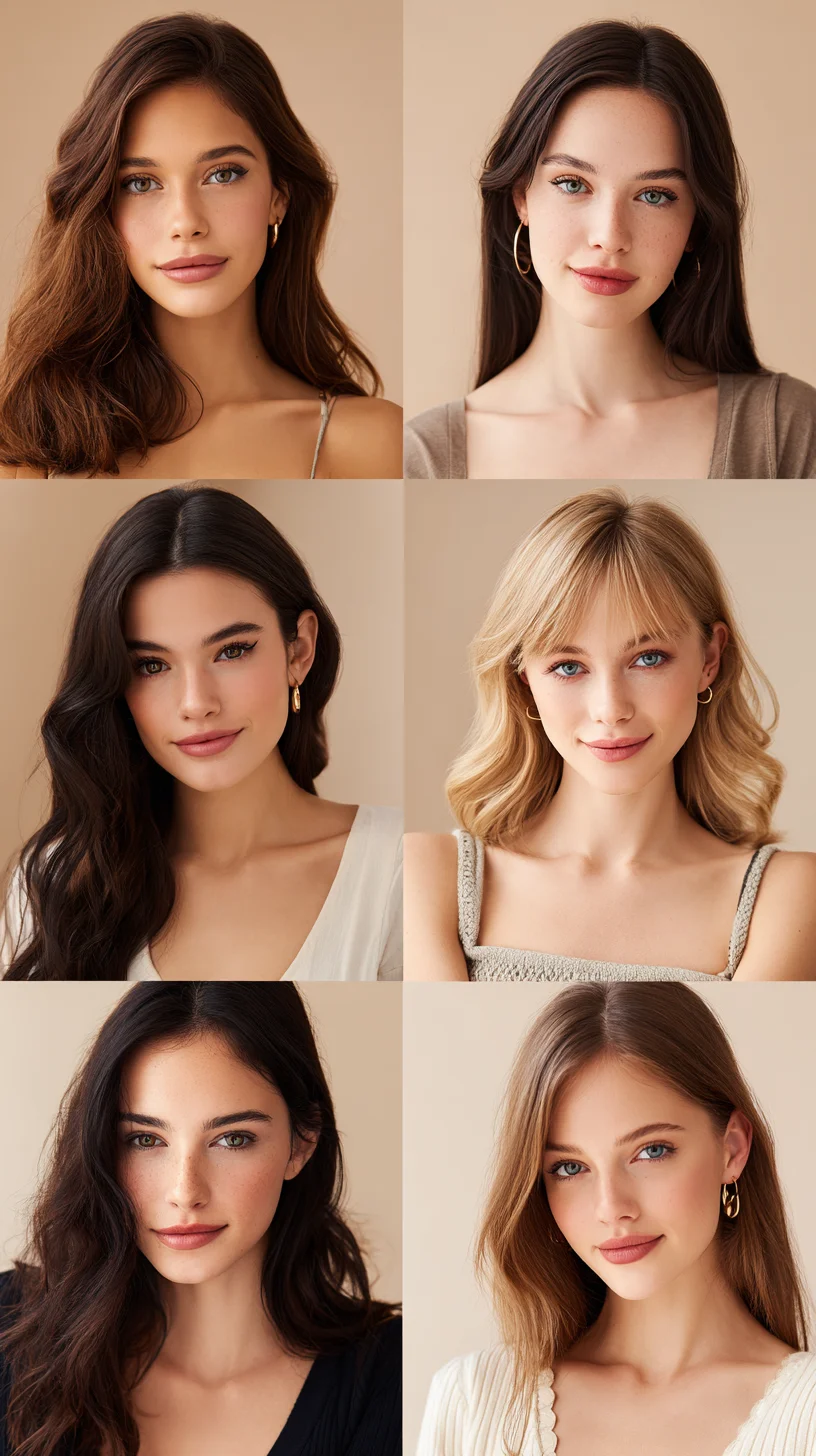
- The Takeaway: Beauty is a cultural construct, not a biological imperative. Med-aesthetic practitioners must ask: Are we enhancing a patient』s natural features within their cultural context, or are we subconsciously pushing a foreign ideal? The answer matters.
Section 3: The Med-Aesthetic Challenge—Personalization Over Standardization
Armed with anatomical and cultural insights, let』s zoom into the practical: How does med-aesthetics adapt to this diversity? I』ve interviewed top dermatologists and plastic surgeons, alongside reviewing case studies, to distill actionable principles for culturally sensitive design.
- Tailoring Techniques to Anatomy: Procedures must account for structural differences. For instance, filler placement for cheek augmentation in African-American patients often focuses on mid-face volume to maintain natural fullness, as opposed to the high, sharp contours often sought in European faces. In East Asian patients, surgeons like Dr. Charles Lee, a renowned specialist in Asian aesthetics, emphasize minimal invasiveness—subtle jawline contouring with Botox rather than aggressive surgical reshaping—to align with cultural preferences for softer lines.
-
Skin Considerations: Skin type dictates treatment. African and South Asian skin, with higher melanin content, is prone to hyperpigmentation post-procedure, necessitating gentler laser treatments and robust post-care with melanin inhibitors like hydroquinone, per guidelines from the Journal of Cosmetic Dermatology. Conversely, European skin, with less melanin, may tolerate more aggressive resurfacing but risks faster photoaging without strict sun protection.
-
Cultural Dialogue in Consultation: Perhaps the most critical step is the patient consultation. A 2021 study in Aesthetic Surgery Journal found that patients from minority backgrounds often feel misunderstood by practitioners who lack cultural fluency. Asking open-ended questions—「What does beauty mean to you?」 or 「Are there cultural traits you want to preserve?」—can uncover hidden biases and build trust. Dr. Tina Alster, a leading dermatologist, told me, 「It』s not just about technique; it』s about listening to the patient』s story. A Korean patient might want a V-line jaw, but their vision of 『V-line』 could differ vastly from a Western one.」

- The Takeaway: Med-aesthetics isn』t a factory line; it』s a bespoke craft. Standard protocols fail when they ignore the racial and cultural underpinnings of a patient』s face. Personalization isn』t a luxury—it』s a necessity.
Section 4: Breaking the Mold—Why Diversity in Beauty Matters More Than Ever
Let』s tie this back to the bigger picture. The push for diversity in beauty isn』t just a feel-good movement; it』s a corrective to decades of erasure. When med-aesthetics blindly chases a singular ideal, it risks alienating entire populations—or worse, perpetuating harm. A 2017 study from the University of Chicago found that Black women who felt pressured to conform to Eurocentric standards reported higher rates of body dissatisfaction and lower self-esteem post-cosmetic procedures. Contrast this with initiatives like the 「Ethnic Rhinoplasty」 movement, where surgeons prioritize maintaining nasal characteristics unique to African or Middle Eastern heritage, leading to higher patient satisfaction rates (ASPS, 2022).
On a global scale, the rise of K-beauty and African beauty influencers signals a shift. These communities aren』t just demanding representation; they』re redefining beauty on their terms. Med-aesthetic providers must keep pace, training in cultural competency and diversifying their visual references beyond Western-centric textbooks.
Conclusion: A New Framework for Beauty
Here』s the bottom line: Beauty isn』t universal, and it shouldn』t be. It』s a deeply personal, culturally embedded concept that demands respect for the unique facial signatures of every individual. By cross-referencing anatomy, cultural history, and modern med-aesthetic practices, we』ve seen how racial and cultural differences aren』t just superficial—they』re foundational to how we perceive and enhance beauty.
For patients, this means seeking providers who understand your heritage and aesthetic goals without projecting external ideals. For practitioners, it』s a call to unlearn outdated standards and embrace a patient-first, culturally informed approach. And for all of us, it』s a reminder to celebrate the diversity of human faces—not as deviations from a norm, but as distinct expressions of identity.
So, next time you』re scrolling through Instagram or consulting with a med-aesthetic specialist, ask yourself: Am I chasing someone else』s beauty, or am I honoring my own? The answer could redefine not just your face, but your entire perspective.