Introduction
Beauty is not a universal constant. It is a mirror reflecting the values, histories, and social dynamics of a culture. In the realm of medical aesthetics (med-aesthetics), where science and art converge to sculpt human appearance, the choices people make are rarely just personal—they are deeply rooted in cultural soil. As practitioners or enthusiasts in this field, understanding these cultural codes is not just an academic exercise; it』s a pathway to becoming a more empathetic and effective beauty advisor. This article will unpack the cultural logic behind med-aesthetic preferences, explore how beauty standards emerge from specific societal contexts, and provide a framework for navigating the diverse landscape of global aesthetics with sensitivity and insight.
The Logic Tree of Cultural Beauty Standards
To dissect the cultural underpinnings of med-aesthetics, we can use a logic tree—a structured way to break down complex ideas into their core components. At the root of this tree lies a fundamental question: Why do people pursue specific beauty ideals through medical aesthetics? From there, we branch into three primary influences: historical context, social structures, and modern globalization. Each branch reveals how culture shapes beauty and, in turn, med-aesthetic practices.
Branch 1: Historical Context – The Weight of the Past
Every culture carries a historical blueprint of beauty, often tied to survival, status, and identity. Consider the ancient Chinese practice of foot-binding, which persisted for nearly a millennium until the early 20th century. Tiny, bound feet were seen as a symbol of femininity and high social standing, despite the immense pain and physical limitation they caused. This historical ideal of delicate, restrained beauty still echoes in modern East Asian preferences for petite facial features and slender frames, often achieved through procedures like double-eyelid surgery or V-line jaw contouring.
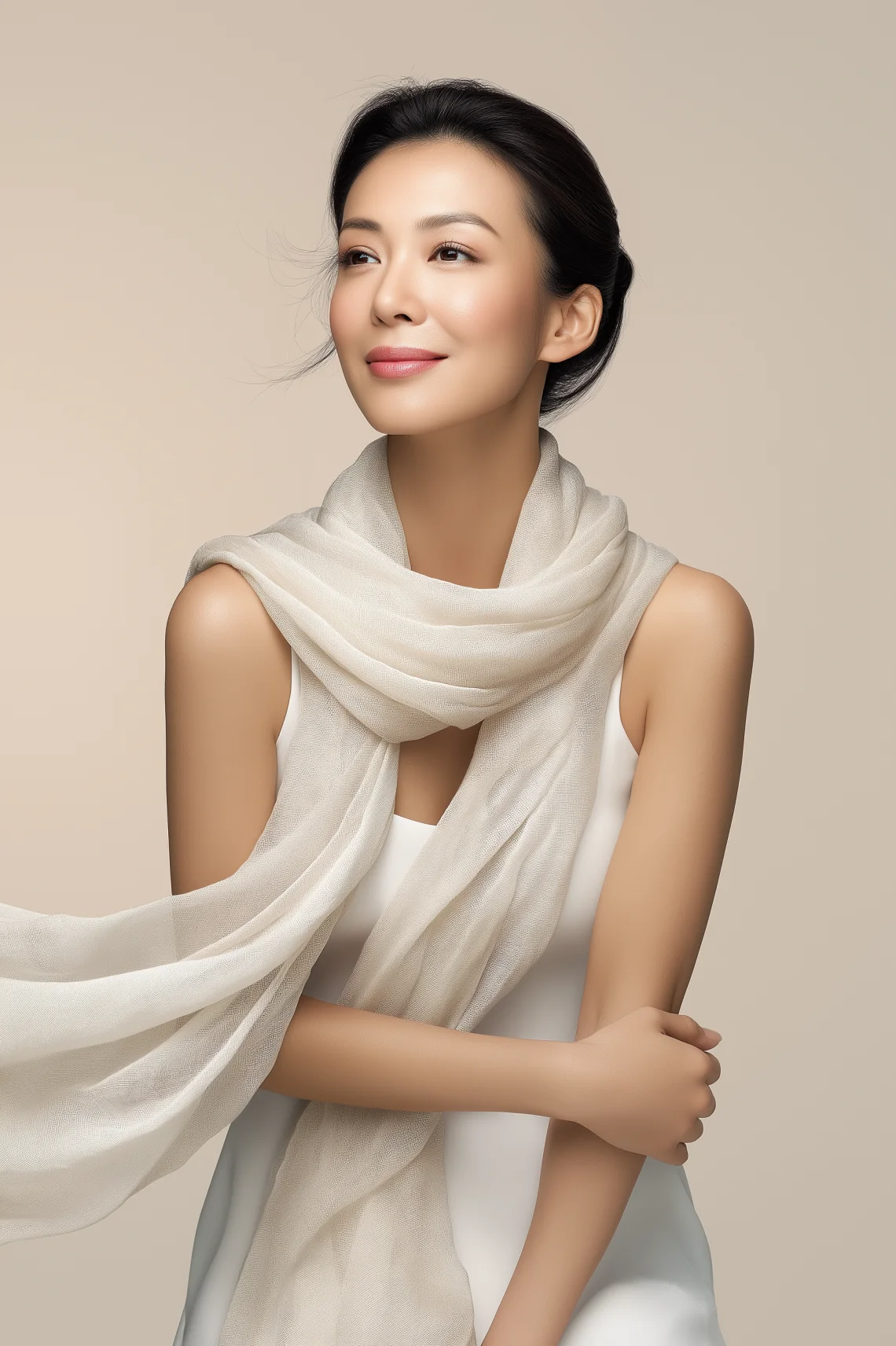
Contrast this with the Renaissance era in Europe, where fuller figures and pale skin signified wealth and leisure—indicators that one did not labor outdoors. Today, while the ideal body type in Western cultures has shifted toward toned athleticism, the emphasis on clear, unblemished skin remains, driving demand for treatments like laser resurfacing and Botox to maintain a “flawless” complexion.
The historical branch teaches us that beauty standards are not arbitrary; they are fossils of past societal priorities. As med-aesthetic professionals, recognizing these origins helps us understand why certain features—like high cheekbones in Slavic cultures or full lips in African diaspora communities—are prized. It also reminds us that beauty ideals evolve, often in response to shifts in power and privilege, which leads us to the next branch.
Branch 2: Social Structures – Beauty as a Social Currency
Beauty operates as a form of social capital, shaped by class, gender, and power dynamics within a culture. In many societies, adhering to beauty standards is not just about personal satisfaction; it』s about access—to opportunities, relationships, and acceptance. In South Korea, for instance, the hyper-competitive job market has intertwined beauty with economic success. A “polished” appearance, often involving skin whitening treatments and facial contouring, is seen as a professional asset, particularly for women. This cultural norm has made South Korea a global hub for med-aesthetics, with procedures like rhinoplasty and skin brightening becoming almost routine.
Similarly, in Brazil, a country with a complex history of racial mixing and colonial influence, beauty standards often favor European features—lighter skin, straighter hair, and narrower noses—despite the nation』s diverse population. This has fueled a booming plastic surgery industry, where procedures like buttock augmentation (celebrating the “Brazilian butt”) coexist with nose reshaping to align with Eurocentric ideals. Here, beauty is not just personal; it』s a negotiation of identity within a stratified society.

The social structure branch highlights a critical truth: med-aesthetic choices are often less about vanity and more about survival in a cultural ecosystem. For practitioners, this means our role extends beyond technical expertise. We must ask: What social pressures are driving this client』s desires? Understanding these pressures—whether it』s workplace competition in Seoul or racial dynamics in São Paulo—enables us to offer solutions that empower rather than exploit insecurities.
Branch 3: Modern Globalization – The Convergence and Clash of Ideals
In today』s interconnected world, beauty standards are no longer confined to local cultures; they are shaped by a global exchange of images and ideas. Social media platforms like Instagram and TikTok act as accelerators, broadcasting a hybrid “global beauty ideal” that often blends Western features (high nose bridges, sharp jawlines) with universal markers of youth (smooth skin, full lips). This has led to a surge in demand for procedures like fillers and non-surgical nose jobs across diverse regions, from Dubai to Delhi.
However, globalization also creates tension. While some embrace this homogenized ideal, others resist by reclaiming traditional beauty markers. In India, for example, where fair skin has long been idealized due to colonial legacies and caste associations, there』s a growing movement to celebrate darker skin tones and natural features. Yet, the med-aesthetic industry still sees high demand for skin-lightening treatments, revealing a cultural tug-of-war between global influences and local pride.
This branch underscores the complexity of modern beauty. As med-aesthetic professionals, we must navigate this clash with cultural sensitivity. Are we reinforcing a homogenized ideal, or are we honoring a client』s unique cultural identity? The answer lies in dialogue—understanding the “why” behind a client』s request, whether it』s influenced by a global trend or a deeply personal cultural narrative.

From Practitioner to Cultural Advisor: Applying the Logic Tree
Understanding the cultural codes behind med-aesthetics is not just an intellectual exercise; it』s a practical tool for transforming how we engage with clients. Here』s how to apply this logic tree in your practice:
- Trace the Historical Roots: When a client seeks a specific procedure—say, double-eyelid surgery—explore the cultural history behind that ideal. Is it tied to a historical symbol of status or beauty in their culture? This context can guide your consultation, ensuring the client feels seen beyond their surface request.
-
Unpack Social Pressures: Ask questions about the client』s environment. Are they motivated by professional demands, family expectations, or social media trends? For instance, a young professional in Seoul might feel pressured to conform to a “corporate look,” while a client in Los Angeles might be chasing an influencer-driven aesthetic. Tailor your advice to address these underlying drivers, not just the desired outcome.
-
Navigate Global Influences: Recognize when a client』s goals align with a globalized ideal versus a culturally specific one. If a client in Nigeria requests skin-lightening treatments, discuss the cultural and global narratives at play. Offer alternatives that enhance their natural beauty while educating them on the risks and societal implications of such procedures.
By integrating these steps, you move beyond being a mere executor of procedures to becoming a cultural advisor—someone who shapes beauty with empathy and awareness.
The Ripple Effect of Cultural Sensitivity in Med-Aesthetics
The impact of adopting a culturally sensitive approach in med-aesthetics extends far beyond individual client interactions. On a personal level, it deepens your understanding of beauty as a dynamic, evolving concept, preventing you from falling into the trap of a one-size-fits-all aesthetic. Professionally, it positions you as a trusted expert who prioritizes client well-being over fleeting trends. And on a societal level, it contributes to a broader dialogue about diversity in beauty, challenging the industry to move away from Eurocentric or homogenized ideals toward a celebration of global uniqueness.

Consider the case of Japan, where the concept of “kawaii” (cuteness) drives a unique aesthetic of wide eyes and youthful features, often achieved through non-invasive treatments like tear trough fillers. A culturally insensitive practitioner might push for a more Westernized look, ignoring the client』s cultural context. In contrast, a culturally aware advisor would honor the kawaii ideal while ensuring the client』s safety and satisfaction. Small shifts like this, multiplied across countless interactions, can reshape the med-aesthetic industry into a more inclusive space.
Conclusion: Decoding Beauty, One Culture at a Time
Beauty is a language, and every culture speaks it differently. As med-aesthetic practitioners, our role is not just to sculpt appearances but to decode the cultural messages behind each client』s desires. By using a logic tree to trace historical roots, social pressures, and global influences, we can uncover the “why” beneath the “what”—transforming our practice from transactional to transformative.
The journey to cultural sensitivity in med-aesthetics is ongoing. It requires curiosity, humility, and a willingness to challenge our own biases. But the reward is profound: a deeper connection with clients, a richer understanding of beauty, and the ability to shape an industry that honors diversity over conformity. So, the next time a client walks into your clinic, don』t just see a face to enhance—see a story to understand. That』s where true beauty begins.