# Introduction: The Invisible Foundation of Your Face
Beneath the skin, beyond the fleeting trends of contouring and fillers, lies the true architect of your facial beauty: your bone structure. It』s the silent framework that dictates how light falls on your cheeks, how your jawline carves a silhouette, and whether your features harmonize or clash. In the world of medical aesthetics, understanding facial bone structure isn』t just a skill—it』s the first and most critical step in crafting transformative results.
This isn』t about surface-level fixes. This is about decoding the blueprint of your face, understanding its unique language, and using that knowledge to predict outcomes, design personalized plans, and achieve balance that feels effortless. Let』s dive into the anatomy of facial bones, the nuances of gender and age differences, and how this hidden framework shapes every decision in aesthetic enhancement.
# The Anatomy of Facial Bones: Your Face』s Structural Core
Your face is a complex interplay of 14 bones, each with a distinct role in defining your appearance. The maxilla forms the upper jaw and supports the midface; the mandible crafts the lower jawline, a hallmark of strength or softness; the zygomatic bones (cheekbones) dictate prominence and width; and the frontal bone shapes your forehead』s contour. Together, these bones create the scaffolding upon which soft tissue—muscle, fat, and skin—drapes.
But not all faces are built the same. Bone structure varies widely across individuals, influenced by genetics, ethnicity, and even lifestyle. For instance, East Asian faces often feature wider zygomatic arches and flatter midfaces, while Caucasian faces may exhibit more pronounced nasal bridges and narrower jawlines. These differences aren』t just aesthetic trivia—they』re critical data points for any med-aesthetic professional assessing your face.
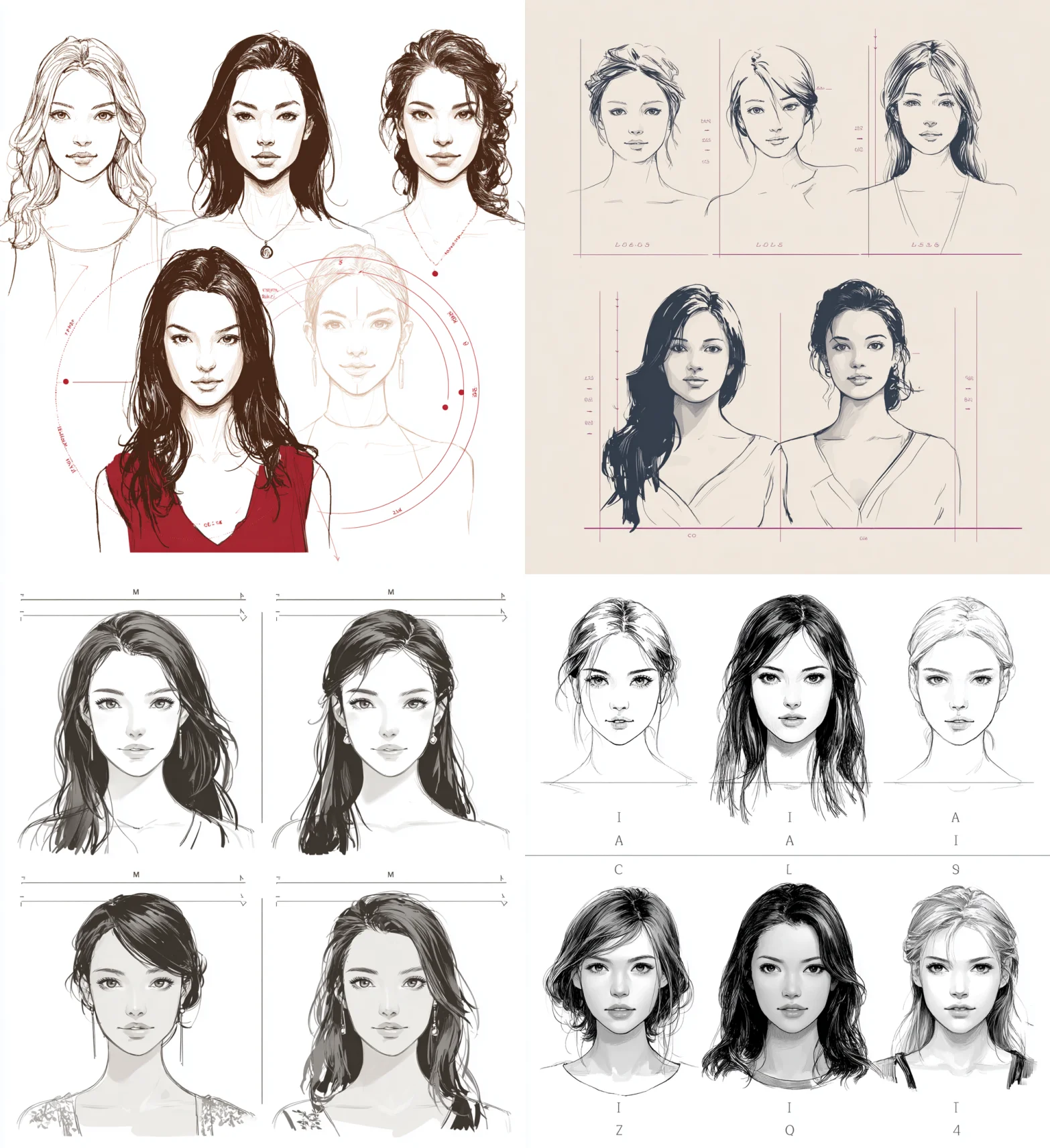
Consider the orbital rim, the bony edge surrounding your eyes. A recessed rim can create a hollowed, tired look, even in youth, while a prominent rim supports a more open, alert gaze. Similarly, the angle of the mandible—whether it』s sharp and defined or soft and rounded—can shift the entire perception of your face from angular to approachable. These structural nuances are why a one-size-fits-all approach to fillers or surgery fails. Your bones tell a story, and we must listen.
# Gender and Bone Structure: The Masculine vs. Feminine Framework
Bone structure isn』t just individual—it』s gendered. Male and female facial skeletons diverge significantly, driven by evolutionary biology and hormonal influences like testosterone and estrogen. These differences are why a jawline that looks striking on a man might overwhelm a woman』s face, or why high cheekbones can read as delicate on one and harsh on another.
For men, the facial skeleton often leans toward robustness. The brow ridge (supraorbital ridge) is more pronounced, creating a heavier, more shadowed look around the eyes. The mandible is wider and more angular, with a steeper gonial angle (the angle where the jaw meets the chin). The zygomatic bones are often broader but less projecting, emphasizing width over height. These traits signal strength and dominance—key evolutionary markers.
In contrast, female bone structure tends toward refinement. The brow ridge is smoother, the forehead more vertical, and the cheekbones higher and more forward-projecting, creating a heart-shaped or oval face. The mandible is narrower, with a gentler angle, often tapering to a softer chin. These features historically correlate with perceptions of youth and fertility, which are culturally tied to feminine beauty.

Understanding these gendered blueprints is crucial in med-aesthetics. A poorly planned intervention—like overfilling a woman』s jaw to mimic a masculine angle—can disrupt facial harmony. Conversely, softening a man』s jawline too much might erase the structural cues of masculinity. The goal isn』t to conform to rigid ideals but to enhance what』s naturally yours, respecting the gendered undertones of your skeleton.
# Aging and Bone Structure: The Shifting Foundation
Bones aren』t static. They evolve with time, reshaping your face in subtle but profound ways. As we age, facial bones undergo resorption—a process where bone tissue is broken down and reabsorbed by the body. This isn』t just a footnote in anatomy textbooks; it』s a key driver of the aging face.
In the midface, the maxilla and zygomatic bones lose volume, causing the cheeks to flatten and the under-eye area to hollow. The orbital rim recedes, deepening tear troughs and making the eyes appear sunken. The mandible also changes—its angle becomes less defined, and the chin may protrude or recede as bone density decreases. These shifts explain why a once-full face can start to look gaunt or sagging, even if skin elasticity remains intact.
But aging isn』t uniform. Women, due to hormonal changes post-menopause, often experience accelerated bone loss, particularly in the maxilla and mandible. Men, while not immune, tend to retain more bone density thanks to sustained testosterone levels. Ethnicity also plays a role—individuals of African descent, for example, often maintain stronger bone density into later years compared to those of European descent, influencing how their faces age.
For aesthetic practitioners, this means planning must account for the present and the future. A filler placed today to enhance cheekbones might look unbalanced in five years if bone resorption isn』t considered. Similarly, a facelift that ignores underlying bone loss may yield unnatural results, as the skin is pulled over a shrinking framework. Aging bones demand foresight—a dynamic approach to beauty that evolves with your face.

# Assessing Bone Structure: The First Step in Aesthetic Planning
Before a single syringe of filler or scalpel touches your face, a skilled practitioner must assess your bone structure. This isn』t guesswork; it』s a systematic process that combines observation, imaging, and anatomical knowledge. The goal? To predict outcomes, identify limitations, and design a plan that works with—not against—your natural architecture.
Start with observation. Look at the face in repose and in motion. Does the midface project forward, or is it flat? Is the jawline angular or rounded? Are the cheekbones high and defined, or broad and subtle? These visual cues reveal the underlying skeleton. Next, palpation—physically feeling the bones—can confirm what the eye sees. A recessed orbital rim or a weak chin isn』t just seen; it』s felt.
Advanced tools like 3D imaging and CT scans take this further, offering a literal peek beneath the skin. These technologies map the exact dimensions of your bones, revealing asymmetries or structural deficits invisible to the naked eye. For instance, a subtle difference in zygomatic projection between the left and right sides might explain why one cheek always photographs flatter. Such precision is invaluable for planning surgeries like genioplasty (chin augmentation) or predicting how fillers will settle over bone.
This assessment isn』t just diagnostic—it』s predictive. A narrow mandible might limit how much filler can be used in the jawline without looking overdone. A recessed maxilla might mean midface fillers will need strategic layering to avoid a 「puffy」 look. Every decision, from non-invasive tweaks to full surgical overhauls, hinges on this foundational analysis.
# Bone Structure and Aesthetic Interventions: Crafting the Perfect Plan

Understanding your bone structure unlocks the ability to tailor aesthetic interventions with precision. Let』s break this down across common procedures, showing how bones dictate strategy.
- Fillers and Volume Restoration: Fillers don』t just add volume—they mimic or enhance what your bones naturally provide. For a flat midface, hyaluronic acid can be layered over the maxilla to simulate projection, but only if the underlying bone offers enough support. Overfilling a structurally weak area risks an unnatural 「pillow face.」 Conversely, a strong zygomatic arch can handle bolder volume, creating striking cheekbones with minimal product.
-
Surgical Contouring: Procedures like jawline reduction or cheekbone augmentation directly alter the skeleton. A wide mandible in a female face might be shaved down for a softer look, but only if the surrounding soft tissue can adapt. Similarly, zygomatic implants can enhance a flat midface, but the surgeon must account for the orbital rim to avoid distorting the eye area. Bone surgery is permanent—there』s no room for error.
-
Combination Approaches: Most faces benefit from a hybrid plan. A recessed chin might need a genioplasty for structural change, paired with fillers for fine-tuning. Aging midface bone loss might call for fillers now and a future facelift to address skin laxity. The key is synergy—each intervention must respect the bone structure』s limits and potential.
The takeaway? Bone structure isn』t a hurdle; it』s a guide. It tells us where to add, where to subtract, and where to leave alone. Ignoring it risks results that look 「off,」 no matter how skilled the practitioner.
# The Leap from Surface to Depth: Why Bone Structure Matters
Beauty isn』t skin deep—it』s bone deep. The surface of your face, with its fleeting lines and textures, is just the final layer of a much deeper story. Your facial skeleton is the foundation, the silent force that shapes every aesthetic decision. It』s the difference between a generic 「Instagram face」 and a transformation that feels uniquely, authentically you.

By decoding your bone structure—its unique contours, gendered traits, and aging patterns—you gain the power to predict outcomes and design interventions that last. This isn』t about chasing perfection; it』s about understanding the raw materials of your face and sculpting them with intention. Whether you』re considering a subtle filler touch-up or a full surgical overhaul, start with the bones. They hold the key to balance, proportion, and timeless beauty.
So, look in the mirror. Trace the lines of your jaw, the curve of your cheeks, the frame of your eyes. What story do your bones tell? And how will you rewrite it? In the hands of a skilled practitioner, armed with this knowledge, your face isn』t just a canvas—it』s a masterpiece waiting to emerge.