Hey there, let』s talk about something that』s at the heart of every decision in medical aesthetics: your aesthetic judgment. You know, that inner compass that tells you whether a design, a facial contour, or a treatment plan feels “right.” But here』s the thing—relying solely on gut feelings can lead you down a path of inconsistency or even missteps. I』ve been there, and I』m guessing you have too. So today, let』s have a candid conversation about how to elevate your aesthetic judgment from raw intuition to a refined, rational skill. This isn』t just about personal taste; it』s about cultivating a systematic approach to beauty that can transform your work in med-aesthetics.
Why Aesthetic Judgment Matters More Than Ever
Picture this: A client walks into your clinic wanting a dramatic lip augmentation. Your gut screams, 「Yes, this could look stunning!」 But then you pause. Will this overpower their delicate facial features? Will it disrupt the overall harmony of their face? That split-second hesitation is where aesthetic judgment kicks in—or at least, it should.
In medical aesthetics, poor judgment doesn』t just mean an unhappy client; it can mean unnatural results that scream 「overdone.」 I remember early in my career, I was obsessed with symmetry. I』d push for perfect bilateral balance in every face I worked on. But I quickly learned that absolute symmetry can look robotic, even unsettling. True beauty often lies in subtle asymmetries that reflect a person』s unique character. That lesson didn』t come from a textbook; it came from training my eye and mind to see beyond surface-level 「perfection.」
The goal here is to move beyond subjective 「I like it」 reactions to a place where you can objectively evaluate and articulate why a certain aesthetic choice works—or doesn』t. This is especially crucial in med-aesthetics, where you』re not just designing for beauty but also for safety, functionality, and long-term satisfaction.

Step 1: Acknowledge Your Biases (Yes, You Have Them)
Let』s get real for a second. We all have biases in how we perceive beauty. Maybe you grew up idolizing sharp, angular jawlines, or perhaps you』re drawn to soft, rounded features because they remind you of someone you admire. I』ll admit, I used to lean heavily toward high cheekbones as the pinnacle of facial beauty. But here』s the problem: If you don』t recognize these biases, they』ll cloud every decision you make.
So, how do you start? Grab a notebook or open a note on your phone. Write down three aesthetic traits you』re naturally drawn to. Be honest. Then ask yourself: Why? Are these preferences rooted in cultural trends, personal experiences, or professional training? For me, dissecting my obsession with high cheekbones revealed it was tied to a specific era of fashion photography I adored in my teens. Once I saw that, I could step back and question whether that trait was always the best choice for every client.
This isn』t about erasing your preferences; it』s about understanding them so they don』t hijack your judgment. In med-aesthetics, you』re not creating art for yourself—you』re crafting results for someone else, often with very different ideals of beauty.
Step 2: Learn the Universal Principles of Beauty (They』re Not Just Theory)
Now that we』ve tackled biases, let』s talk about something more concrete: universal aesthetic principles. These aren』t arbitrary rules; they』re grounded in how humans perceive balance, proportion, and harmony. Think of the Golden Ratio, for instance. This mathematical principle—roughly a 1:1.618 proportion—appears in nature, architecture, and yes, facial aesthetics. Studies, like those published in the Journal of Craniofacial Surgery, show that faces closer to this ratio are often rated as more attractive across cultures.
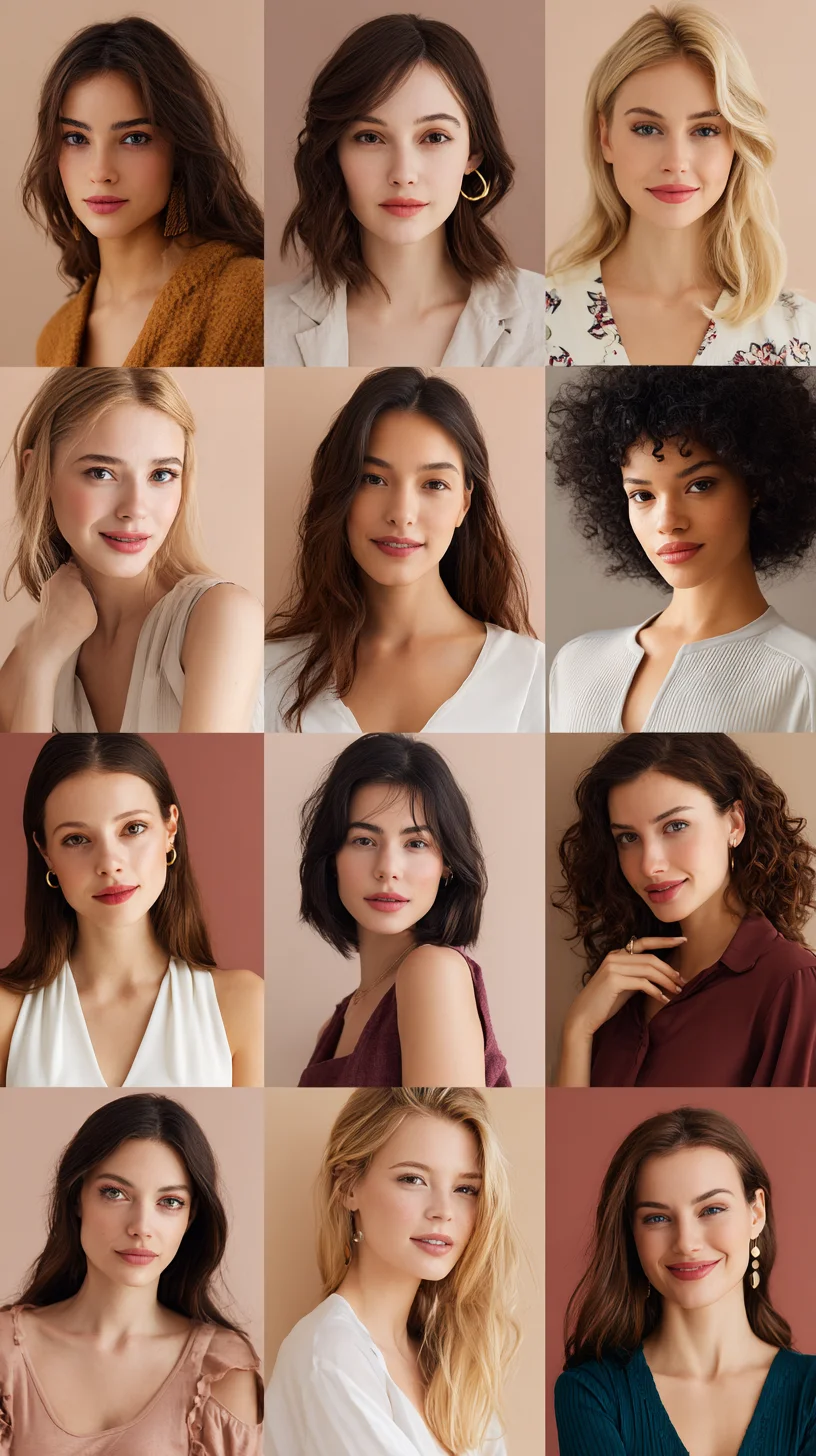
But don』t just memorize the Golden Ratio and call it a day. I tried that, and it turned into a rigid checklist that stifled creativity. Instead, use it as a starting point. For example, when assessing a client』s face for filler placement, I』ll mentally map out key proportions—say, the distance between the eyes compared to the width of the nose. If something feels 「off,」 I cross-reference it with these principles. Does the lower third of the face feel too heavy? Is the philtrum-to-chin ratio imbalanced? This isn』t about forcing a face into a formula; it』s about diagnosing why a feature might disrupt overall harmony.
Another principle to internalize is contrast. Faces with a balance of light and shadow—think defined cheekbones paired with softer under-eye areas—tend to read as more dynamic and appealing. I』ve had clients come in wanting to 「flatten」 every line with Botox, but I』ve learned to explain how some natural shadows actually enhance depth and beauty. It』s a conversation that requires you to articulate these principles clearly, which brings us to the next step.
Step 3: Practice Rational Analysis (Gut Feelings Aren』t Enough)
Here』s where the rubber meets the road. Intuition is valuable, but it』s fickle. One day you』re feeling bold and approve a daring look; the next, you』re conservative and second-guess everything. Rational analysis is your anchor. Let』s break this down with a real-world scenario I』ve faced.
A client once requested a very pronounced brow lift. My initial reaction was, 「Wow, this could look fierce and youthful!」 But then I shifted gears. I pulled out my calipers and took measurements of her forehead height, eye spacing, and current brow position. I sketched out how the lift would alter her expressions—would it make her look permanently surprised? I also considered her age and skin elasticity. After this analysis, I realized the lift she wanted would throw off her facial thirds (the balance between forehead, midface, and lower face). Instead, I proposed a subtler adjustment combined with strategic filler to maintain natural movement.
This process—moving from 「I feel」 to 「I think, therefore I recommend」—is what separates amateurs from pros. To build this skill, start small. Next time you』re evaluating a treatment plan, ask yourself three questions:
- What is the specific goal of this intervention, and does it align with the client』s overall facial structure?
-
How does this change interact with other features? Will it enhance or disrupt harmony?
-
What are the long-term implications—both aesthetically and functionally?
Write down your answers. Over time, this habit of structured thinking will sharpen your ability to justify decisions not just to yourself, but to clients who might challenge your recommendations.
Step 4: Balance Innovation with Harmony (The Tightrope Walk)
Let』s chat about a trap I』ve fallen into more than once: chasing trends at the expense of harmony. When 「fox eye」 lifts became the rage, I was all in. I thought, 「This is fresh, this is now!」 But after a few procedures, I noticed something. On some faces, the exaggerated upward tilt looked alienating, not alluring. It clashed with their natural bone structure and made other features—like the nose or mouth—seem out of proportion.
Innovation in aesthetics is thrilling, but it』s a tightrope. Push too far, and you risk results that feel forced or dated in a few years. Play it too safe, and you』re just recycling the same old looks. So how do you strike the balance? I』ve found it helps to anchor any innovative choice in a bedrock of harmony. Before adopting a trendy technique, I ask: Does this enhance the client』s unique beauty, or is it just a gimmick I』m excited about? For instance, with the fox eye trend, I now adapt it subtly—using thread lifts or Botox to create a gentle lift that complements the client』s eye shape rather than forcing an extreme angle.

This balance also applies to client expectations. Many come in with Instagram inspo photos, wanting to replicate a specific look. I get it—trends are seductive. But your job is to guide them toward what works for their face, not a cookie-cutter ideal. I often start these conversations with, 「I love the vibe of this look. Let』s see how we can tailor it to highlight your natural features.」 It』s a diplomatic way to steer them toward harmony without dismissing their vision.
Step 5: Train Your Eye Through Constant Exposure
Finally, let』s talk about practice. Aesthetic judgment isn』t a static skill; it』s a muscle you have to flex daily. Early in my career, I』d spend hours scrolling through before-and-after photos, not just of my own work but of other practitioners. I』d ask myself: What works here? What doesn』t? Why? I』d also study art—classical paintings, modern photography—to understand how light, shadow, and proportion play into visual appeal.
You can do this too. Set aside 15 minutes a day to analyze faces—whether it』s clients, strangers on the street, or images online. Notice the interplay of features. What makes one face striking and another forgettable? Pair this with reading—journals like Aesthetic Surgery Journal often publish studies on facial perception and beauty standards. Over time, this exposure rewires your brain to spot nuances you』d otherwise miss.
I also recommend peer reviews. Share your treatment plans or results with trusted colleagues and ask for feedback. I once had a mentor point out that my filler placements were consistently overcorrecting nasolabial folds, making faces look puffy rather than lifted. That critique stung, but it refined my eye in ways no book could.
Bringing It All Together: A New Lens on Beauty

So, where does this leave us? Aesthetic judgment in medical aesthetics isn』t about having 「good taste.」 It』s about building a disciplined, analytical approach to beauty that transcends personal whims. It』s about recognizing your biases, grounding yourself in universal principles, analyzing rationally, balancing innovation with harmony, and training your eye relentlessly.
Next time you』re faced with a complex case—say, a client wanting a complete facial overhaul—don』t just trust your gut. Walk through these steps. Map out the proportions. Question the trends. Consider the long game. You』ll find that your decisions become not just more confident, but more defensible. And in a field where every choice is permanent (at least for a while), that』s the kind of judgment that sets you apart.
What』s one area of aesthetic judgment you』re struggling with right now? Drop it in the comments or shoot me a message—I』d love to unpack it with you. Let』s keep this conversation going. After all, refining beauty is a journey we』re all on together.