In an era where social media algorithms and influencer culture dictate what is “beautiful,” the concept of personal aesthetic judgment feels like a radical act of rebellion. We are bombarded with standardized ideals—flawless skin, symmetrical features, and curated lifestyles—that leave little room for individuality. Yet, in the realm of medical aesthetics (medspa), where beauty is not just observed but actively shaped, cultivating an independent aesthetic framework is not just a luxury; it is a professional imperative. For medspa experts, the ability to transcend technical proficiency and guide clients with a nuanced, self-constructed sense of beauty marks the difference between a mere technician and a true artist.
This article deconstructs the monolithic narrative of standardized beauty, breaking it into its constituent parts—cultural influences, psychological underpinnings, and artistic principles. Through a cross-disciplinary lens, I』ll guide you on how to systematically train your aesthetic judgment, drawing from art history, cultural studies, and perceptual psychology. Inspired by the fragmented, questioning spirit of deconstructivism, we』ll dismantle the “given” standards and rebuild a personal framework that empowers both you and your clients to see beauty beyond the filter.
The Problem: Beauty as a Monolith
Let』s start by dissecting the problem. Modern beauty standards are not organic; they are engineered. From the golden ratio of facial proportions to the “Instagram face”—a term coined to describe the homogenized look of full lips, high cheekbones, and cat-like eyes—our perception of beauty is shaped by a feedback loop of media, technology, and commerce. Studies from the Journal of Cosmetic Dermatology (2021) reveal that over 60% of individuals seeking aesthetic treatments cite social media as their primary influence, often unaware of how algorithms reinforce a singular ideal.
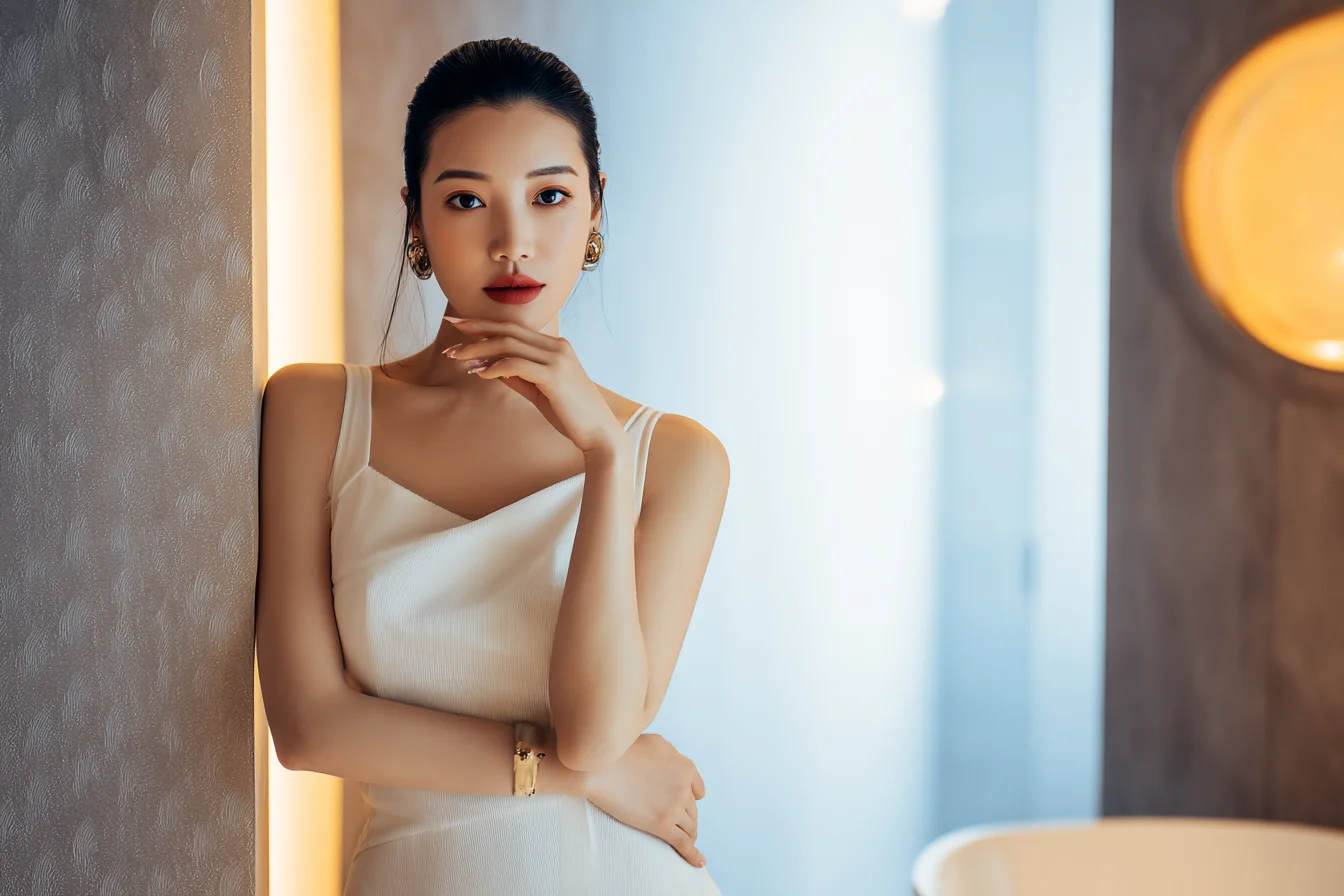
This standardization is a double-edged sword for medspa professionals. On one hand, it provides a clear template—clients often arrive with a photo of a celebrity or influencer, requesting a carbon copy. On the other hand, it stifles creativity and critical thinking. If beauty is a formula, then the practitioner becomes a machine, executing rather than innovating. Worse, it risks alienating clients whose unique features or cultural backgrounds don』t align with the dominant ideal. How, then, do we break free from this aesthetic echo chamber?
Deconstructivism teaches us to question the whole by examining its parts. Let』s fragment the concept of beauty into three core influences—culture, psychology, and art—and rebuild from there.
Fragment 1: Culture as the Invisible Architect of Beauty
Beauty is not universal; it is a cultural artifact. Anthropological studies, such as those by Dr. Nancy Etcoff in Survival of the Prettiest (1999), demonstrate that beauty ideals are often tied to survival mechanisms and social hierarchies. In some cultures, fuller figures signify wealth and fertility; in others, pale skin denotes status and leisure. Yet, globalization and digital media have flattened these diverse standards into a Western-centric mold—think Eurocentric features amplified by Hollywood and now TikTok.
For medspa professionals, cultural literacy is a starting point for independent aesthetic judgment. This means not just understanding your client』s background but interrogating your own biases. Are you unconsciously favoring a narrow ideal because it』s what you』ve been conditioned to see as “beautiful”? A practical exercise is to study beauty standards across history and geography. Compare Renaissance paintings, where voluptuousness was celebrated, to the minimalist elegance of Japanese ukiyo-e art. Notice how context—economic, social, environmental—shapes ideals. Then, apply this to your practice: when a client requests a “Kardashian lip,” probe deeper. Is this desire rooted in personal taste, or is it a cultural script they』ve internalized?

By deconstructing cultural narratives, you begin to see beauty as a story, not a fact. This shift allows you to co-author a new narrative with your client, one that honors their individuality rather than conforming to a globalized template.
Fragment 2: Psychology and the Perception of Beauty
Beauty is not just seen; it is felt. Perceptual psychology offers a window into why certain features or proportions evoke positive responses. The concept of neoteny—the retention of juvenile traits like large eyes and small noses—explains why we often find “babyface” features attractive; they trigger protective instincts. Similarly, symmetry is associated with health and genetic fitness, as noted in a 2018 study from Frontiers in Psychology. But here』s the catch: these responses are not fixed. They are malleable, influenced by exposure and personal experience.
This is where medspa professionals can leverage psychology to refine their aesthetic judgment. Instead of chasing universal “perfect” proportions, focus on what evokes harmony for the individual. Harmony, unlike symmetry, is subjective—it』s about balance within a person』s unique context. Train your eye to notice micro-expressions and emotional cues. Does a client』s smile feel forced after a filler treatment because it disrupts their natural expressiveness? Does a brow lift create an unintended look of surprise rather than youthfulness? These are psychological signals that no algorithm can predict.
A practical method to develop this skill is through mindfulness-based observation. Spend time studying faces—not just in your clinic but in everyday life. Notice how light, emotion, and movement alter perception. Pair this with client feedback: ask not just “Do you like it?” but “How does this make you feel?” By fragmenting beauty into emotional and psychological components, you move beyond surface-level adjustments to create transformations that resonate on a deeper level.
Fragment 3: Art as the Language of Beauty
If culture shapes beauty』s context and psychology its impact, art provides its vocabulary. Art history is a masterclass in aesthetic diversity, from the exaggerated forms of Baroque to the abstracted faces of Cubism. Each movement reflects a rebellion against the status quo, a refusal to accept beauty as a static truth. For medspa professionals, studying art is not a luxury but a necessity. It trains you to see faces and bodies as compositions, where lines, shapes, and textures interplay to create a whole greater than its parts.
Take inspiration from deconstructivist artists like Picasso, who shattered conventional perspectives by showing multiple angles simultaneously. Apply this to your practice by analyzing a client』s face not as a checklist of features to “fix” but as a dynamic canvas. Where is the focal point? Is it the eyes, the jawline, or an unexpected quirk like a dimple? How do shadows and highlights shift with different treatments? This artistic lens helps you avoid over-correction—a common pitfall where practitioners erase individuality in pursuit of perfection.
A tangible exercise is to sketch or photograph faces before and after treatments, annotating what draws your eye. Cross-reference these with art principles like the rule of thirds or negative space. Over time, you』ll develop an intuitive sense of proportion and balance that transcends textbook measurements. Art, in its fragmented glory, teaches us that beauty is not about conformity but about expression.
Rebuilding: Constructing Your Aesthetic Framework
Having deconstructed beauty into cultural, psychological, and artistic fragments, the next step is reconstruction. An independent aesthetic framework is not a rejection of standards but a personalization of them. It』s a system that integrates external influences with internal values, allowing you to guide clients with confidence and creativity.

Start by documenting your observations. Create a personal “aesthetic journal” where you record insights from cultural studies, psychological experiments, and artistic explorations. Note what resonates with you and why. Perhaps you』re drawn to the understated elegance of Scandinavian design or the vibrant asymmetry of African masks. These preferences are clues to your unique perspective.
Next, apply this framework in practice through client consultations. Move beyond asking “What do you want?” to “What story do you want to tell?” A client seeking lip fillers might be chasing confidence, not just volume—can you achieve that through subtle enhancement rather than dramatic change? Use your cross-disciplinary knowledge to offer options that align with their identity, not a trending look.
Finally, commit to continuous learning. Beauty evolves, as do the tools and techniques of medspa. Attend workshops not just on injectables or lasers but on art curation, cultural anthropology, or even philosophy. Platforms like Coursera or local museums often host courses that can expand your horizons. The goal is to keep questioning, keep fragmenting, keep rebuilding.
The Power of Independent Aesthetic Judgment
In a world of standardized beauty, cultivating an independent aesthetic framework is both a professional edge and a personal liberation. For medspa experts, it transforms your role from executor to creator, allowing you to craft outcomes that are as unique as the individuals you serve. For clients, it offers a rare gift: the chance to see themselves not through a filtered lens but through a perspective that honors their essence.
Deconstructivism reminds us that nothing is whole until we』ve seen its parts. By breaking beauty into culture, psychology, and art, we strip away the illusion of a singular ideal and reveal the infinite possibilities beneath. This is not just a skill but a mindset—a commitment to questioning, exploring, and reimagining what beauty can be.
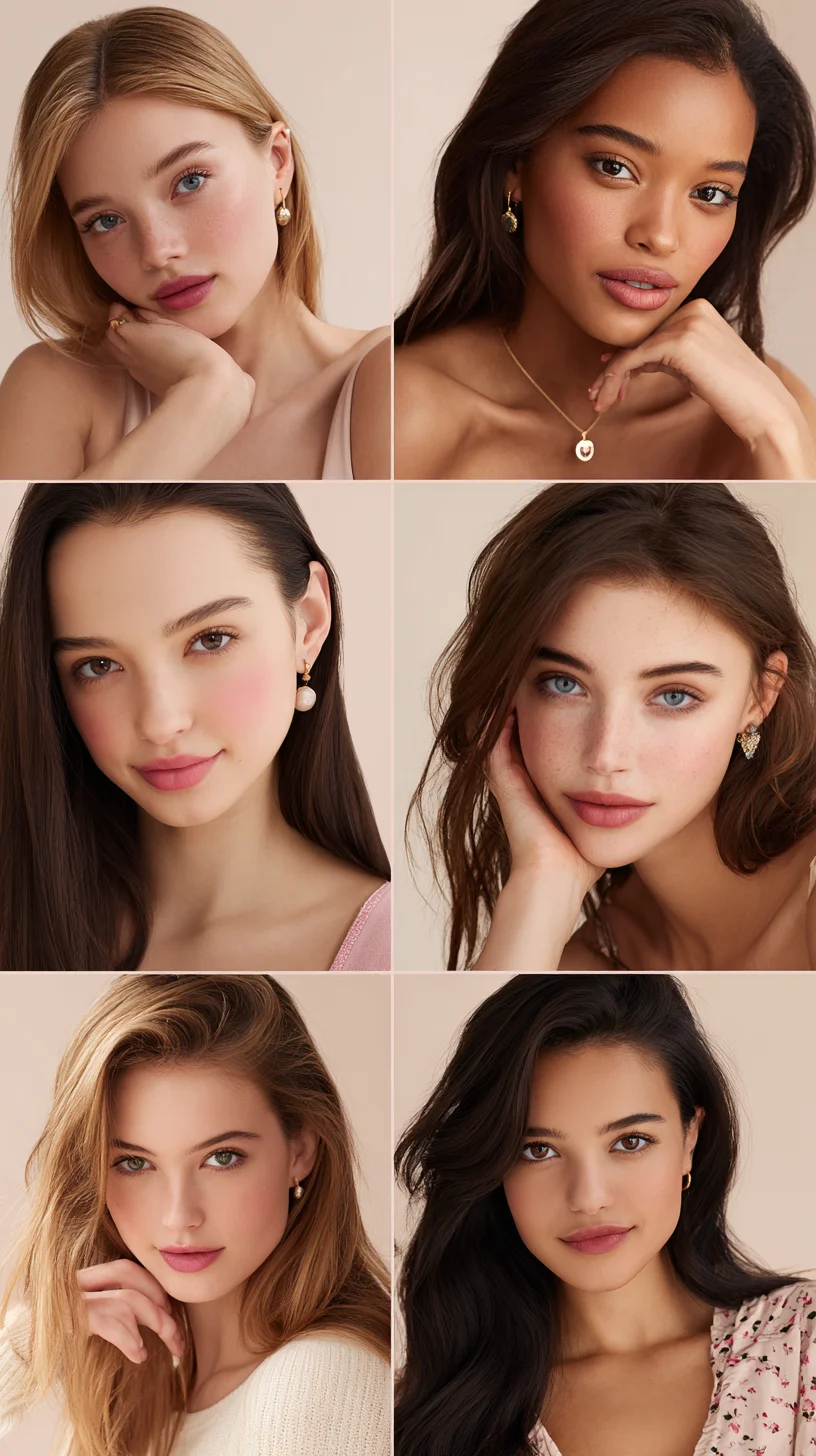
So, the next time a client walks into your clinic with a photo of the latest influencer, don』t just replicate. Deconstruct. Ask why this image speaks to them. Fragment their request into emotional needs, cultural influences, and artistic potential. Then rebuild, not a copy, but a masterpiece that is uniquely theirs. In doing so, you』ll not only elevate your practice but also contribute to a world where beauty is no longer a monolith but a mosaic—diverse, dynamic, and deeply personal.