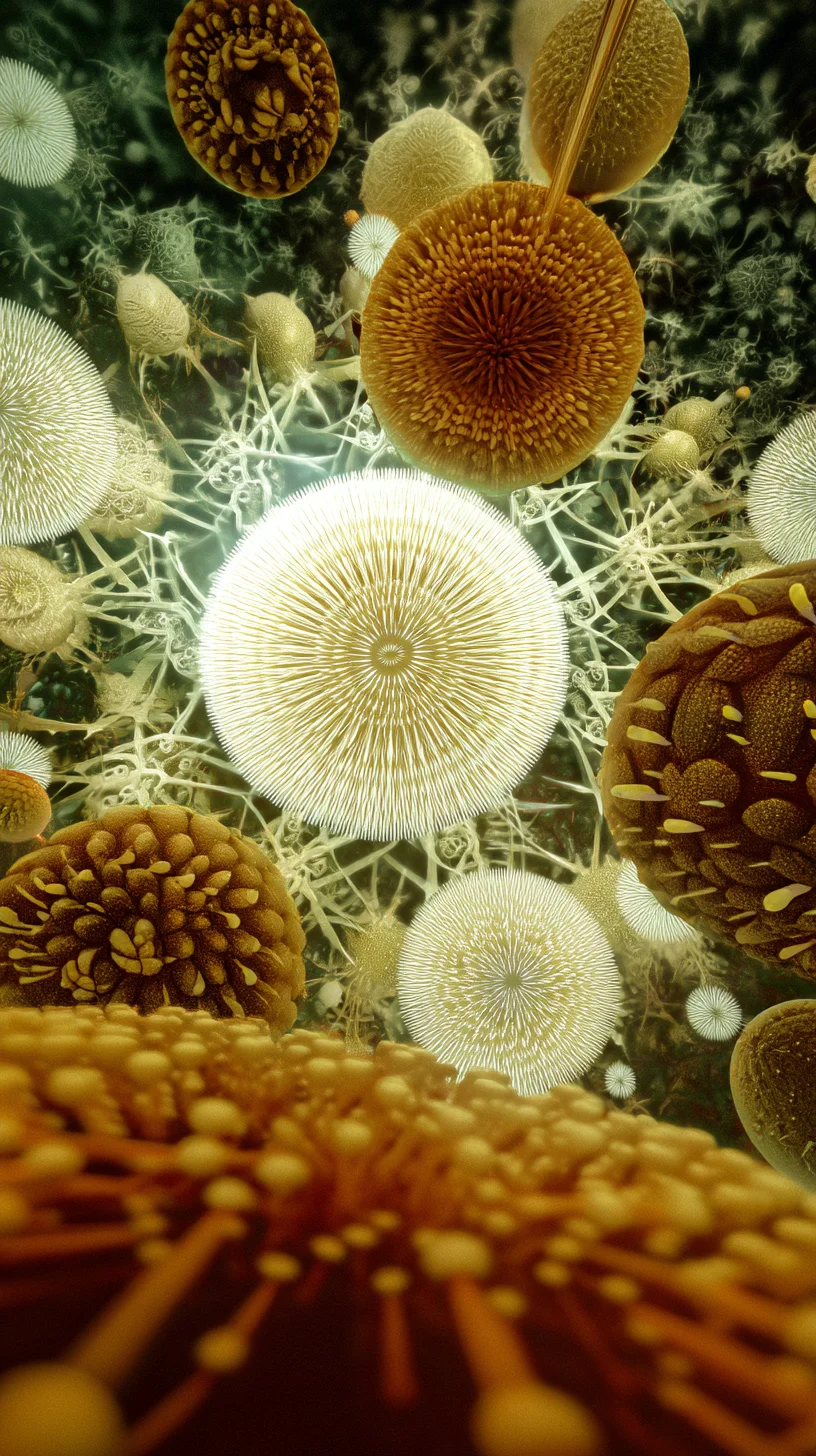
In the realm of aesthetic medicine, the pursuit of beauty is both an art and a science. While many might think that beauty is purely subjective, the field of perceptual psychology offers a deeper understanding of how we perceive beauty. By exploring the principles of Gestalt theory, visual attention mechanisms, and color psychology, we can better understand why certain forms and proportions are universally considered beautiful. This scientific approach to aesthetics not only enhances our appreciation of beauty but also provides a solid foundation for medical aesthetic practices.
Story
Imagine walking into an art gallery. Your eyes are immediately drawn to a painting that seems to glow with an ethereal beauty. You can’t quite pinpoint why it captivates you, but you feel an undeniable attraction to its composition. This scenario is not just a matter of personal taste; it’s a manifestation of how your visual system and cognitive mechanisms work together to perceive beauty.
Takeaway
The science of beauty is rooted in the principles of perceptual psychology. Understanding these principles can transform the way we approach aesthetic medicine, allowing us to make informed decisions that blend artistic intuition with scientific rigor.
Options
To delve deeper into the science of beauty, let’s explore three key areas of perceptual psychology: Gestalt theory, visual attention mechanisms, and color psychology.
- Gestalt Theory:
Gestalt psychology emphasizes that the whole is more than the sum of its parts. In aesthetic medicine, this principle helps us understand how different facial features interact to create an overall impression of beauty. For instance, the concept of “closure” suggests that our brains tend to fill in gaps and perceive incomplete shapes as whole. This can be applied to facial aesthetics, where subtle enhancements can complete a perceived “incompleteness” in facial features, leading to a more harmonious appearance.

- Visual Attention Mechanisms:
Our eyes are constantly scanning our environment, but they tend to focus on certain elements more than others. The “feature integration theory” suggests that our visual system first processes basic features like color and shape, then integrates these into a coherent perception. In aesthetic medicine, understanding these mechanisms can help us design treatments that naturally draw the viewer’s attention to the most aesthetically pleasing aspects of a face. For example, enhancing the eyes or lips can create focal points that enhance overall attractiveness.
-
Color Psychology:
Color plays a crucial role in our perception of beauty. Different colors evoke different emotional responses and can influence our perception of facial features. For instance, warm colors like red and orange are often associated with vitality and youthfulness, while cool colors like blue and green can convey calmness and serenity. In aesthetic medicine, choosing the right color palette for treatments like laser therapy or makeup can significantly enhance the perceived beauty of a patient’s skin.

Relevance
Understanding the science of beauty is not just an academic exercise; it has practical applications in aesthetic medicine. By applying principles of perceptual psychology, practitioners can design treatments that are not only aesthetically pleasing but also scientifically sound. This approach can lead to more satisfying outcomes for patients and more effective practices for professionals.
Your Turn
As a practitioner in the field of aesthetic medicine, how can you incorporate these principles into your practice? Consider the following steps:
- Educate Yourself: Stay updated with the latest research in perceptual psychology and its applications in aesthetics. Attend workshops, read journals, and engage with experts in the field.
-
Assess and Analyze: When consulting with patients, use the principles of Gestalt theory to assess their facial features holistically. Identify areas where subtle enhancements can create a more harmonious appearance.

- Design with Intention: Use your understanding of visual attention mechanisms to design treatments that naturally draw attention to the most aesthetically pleasing aspects of a patient’s face. Consider how different colors can enhance the perceived beauty of skin and features.
-
Evaluate and Refine: After performing treatments, evaluate the results through the lens of perceptual psychology. Gather feedback from patients and refine your approach based on what works best.
By embracing the science of beauty, you can elevate your practice to new heights, offering treatments that are both artful and scientifically grounded. In doing so, you not only enhance the beauty of your patients but also contribute to the broader understanding of what makes us perceive something as beautiful.
In conclusion, the science of beauty, as informed by perceptual psychology, offers a powerful framework for aesthetic medicine. By understanding how our visual and cognitive systems work together to perceive beauty, we can make more informed decisions that enhance both the art and science of our practice. This holistic approach not only benefits our patients but also enriches our own appreciation of the profound nature of beauty.