In the realm of medical aesthetics, the difference between a technician and an artist lies in perspective. While many practitioners focus on executing isolated treatments—be it a filler injection, a laser session, or a Botox touch-up—the true potential of med-aesthetics emerges when we shift our mindset from fragmented fixes to a holistic vision. This is the leap from being a mere “project executor” to becoming a “beauty architect,” someone who designs a cohesive, long-term blueprint for a client』s aesthetic journey. In this article, we』ll explore how to transcend the limitations of point-based interventions and embrace a comprehensive approach to beauty. We』ll delve into the art of full-face and body assessment, the importance of setting long-term goals, the strategic sequencing of treatments, and the delicate balance between immediate results and sustainable transformation.
The Pitfall of Point-Based Thinking
Let』s start with a common scenario: a client walks into a clinic requesting lip fillers. They』ve seen a trend on social media, or perhaps a friend recommended the procedure. As a practitioner, it』s tempting to focus solely on delivering the requested treatment. After all, it』s a straightforward task—assess the lips, choose the right product, and inject with precision. But what if fuller lips disrupt the harmony of their facial proportions? What if their underlying concern isn』t just about volume but about an unbalanced profile or premature aging in other areas?
This is where point-based thinking falls short. Treating a single feature in isolation risks creating an unnatural or disjointed appearance. A lip filler might look striking on its own, but if it overshadows a receding chin or ignores sagging skin around the jawline, the overall effect can feel off. Worse, it may lead to a cycle of over-correction, where clients chase one fix after another without ever achieving true satisfaction. The result is not just aesthetic discord but also a missed opportunity to build trust and deliver transformative outcomes.

The Shift to Holistic Beauty Design
Holistic beauty design is about seeing the bigger picture. It』s a mindset that views the face and body as an interconnected canvas, where every feature and contour plays a role in the overall composition. This approach requires us to step back and ask: What is the client』s unique aesthetic potential? What story does their face tell, and how can we enhance it without losing their individuality?
The first step in this process is a comprehensive assessment. Unlike a quick consultation focused on a single concern, a holistic evaluation examines the client』s facial anatomy, skin quality, bone structure, and even their posture and body proportions if relevant. It also considers dynamic factors—how their features move during expressions—and static factors, like asymmetry or volume loss. Beyond the physical, we must explore their lifestyle, emotional drivers, and long-term vision for their appearance. Are they seeking subtle refinement or a dramatic transformation? Do they prioritize natural results over trendy looks? These insights form the foundation of a personalized beauty blueprint.
Building the Foundation: Comprehensive Assessment
A thorough assessment is the cornerstone of any holistic med-aesthetic plan. This isn』t just about identifying 「problem areas」 but understanding the interplay of features and how they contribute to the client』s overall presence. For instance, a client concerned about under-eye hollows may actually benefit more from addressing mid-face volume loss, as restoring support in the cheeks can naturally lift and rejuvenate the under-eye area. Similarly, a client fixated on forehead lines might be better served by a combination of Botox and skin resurfacing to address both dynamic wrinkles and textural irregularities.
To conduct this assessment, practitioners can use tools like 3D imaging technology to map facial proportions and simulate potential outcomes. These tools not only enhance diagnostic precision but also help clients visualize the impact of a coordinated plan versus isolated treatments. Additionally, taking standardized photographs from multiple angles—front, profile, and three-quarter views—provides a baseline for tracking progress over time.
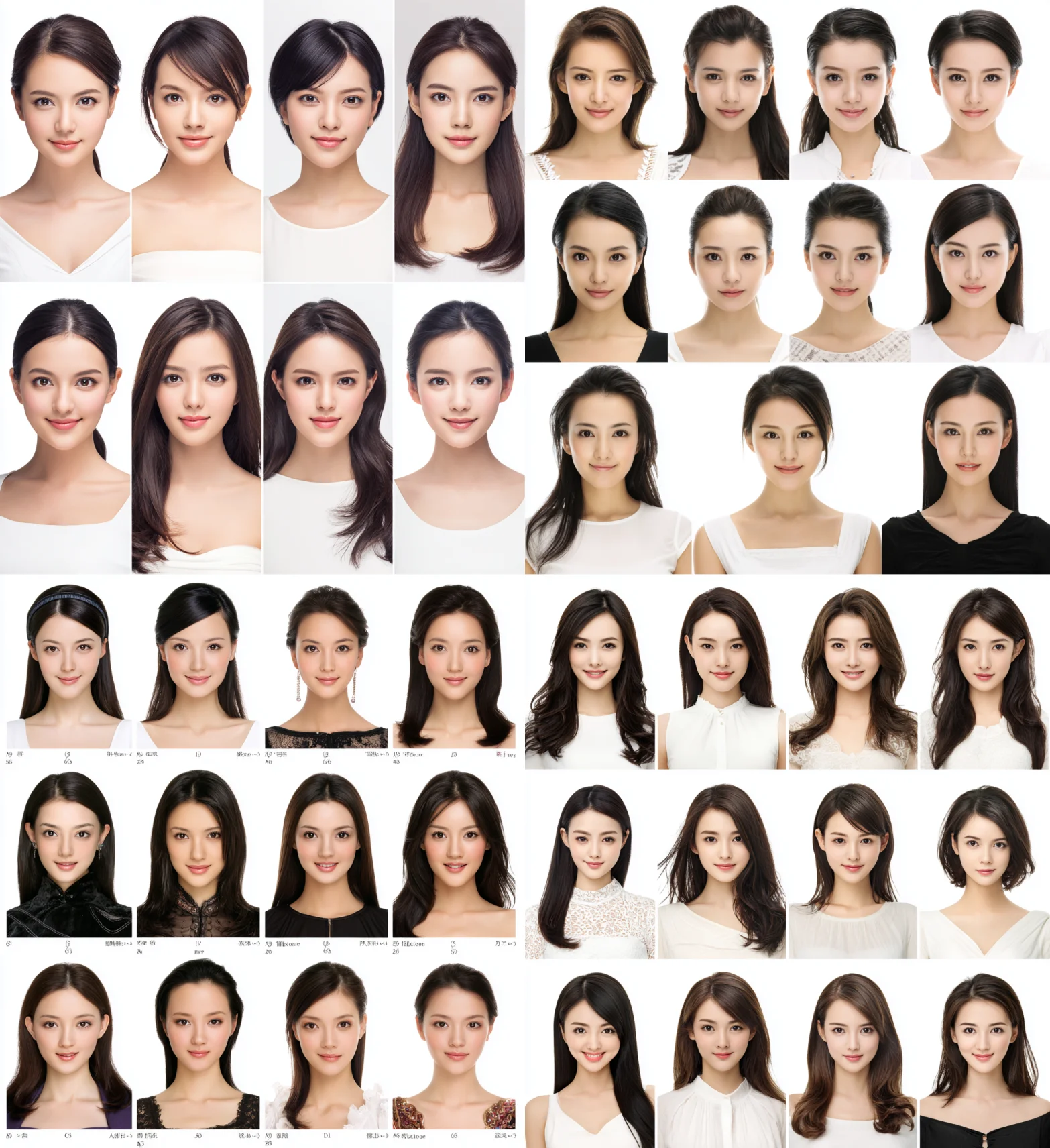
Equally important is the dialogue with the client. Ask open-ended questions to uncover their true motivations. Are they preparing for a major life event, like a wedding or career transition? Have they experienced recent weight changes or stress that might influence their appearance? Understanding these nuances ensures that the plan aligns with their emotional and practical needs, not just their physical ones.
Setting Long-Term Aesthetic Goals
Once the assessment is complete, the next step is to define long-term aesthetic goals. This is where the practitioner transitions from a reactive role—responding to immediate requests—to a proactive one, guiding the client toward a vision of beauty that evolves with them over time. Long-term goals might include restoring youthful proportions, enhancing facial symmetry, or preventing accelerated aging through strategic interventions.
For example, consider a client in their early 30s showing early signs of volume loss in the temples and cheeks. While they might request a quick fix like fillers for nasolabial folds, a long-term goal could focus on rebuilding foundational volume in the upper face to prevent further descent of tissues. This might involve a phased approach, starting with structural fillers in the cheeks and temples, followed by skin-tightening treatments like radiofrequency or ultrasound to stimulate collagen production over time.
Setting these goals requires educating clients about the aging process and how different treatments work synergistically. Many clients are unaware that aging isn』t just about wrinkles—it』s a complex interplay of bone resorption, fat redistribution, muscle atrophy, and skin laxity. By framing their concerns within this broader context, you empower them to see beyond the 「quick fix」 and invest in a sustainable journey.
Strategic Sequencing: The Art of Timing

With long-term goals in place, the next challenge is sequencing interventions to maximize impact and minimize disruption. Not all treatments can or should be done simultaneously. Some procedures, like laser resurfacing, require downtime and may temporarily affect the skin』s ability to tolerate injectables. Others, like Botox, have a shorter duration of effect and may need to be timed around more permanent solutions like fillers or surgery.
A well-designed plan prioritizes foundational treatments first. For instance, addressing structural issues—such as bone loss with deep-plane fillers or implants—should precede surface-level refinements like fine-line injections. Similarly, skin quality improvements, such as chemical peels or microneedling, often lay the groundwork for more invasive procedures by optimizing the canvas for further work.
Timing also involves balancing immediate gratification with long-term outcomes. Clients often crave instant results, but overzealous treatment can lead to unnatural outcomes or complications. A skilled practitioner knows how to deliver subtle, early wins—perhaps a light filler application or a Botox brow lift—while building toward more transformative changes, like a thread lift or surgical contouring, in later phases. This staged approach not only manages client expectations but also allows for adjustments as their needs and preferences evolve.
Balancing Immediate Results and Sustainable Transformation
One of the greatest challenges in holistic med-aesthetics is striking a balance between immediate results and sustainable transformation. Clients are often drawn to treatments with instant impact, like fillers or Botox, but these solutions are temporary and can sometimes mask deeper issues if overused. Conversely, treatments with long-term benefits, such as collagen-stimulating injectables or energy-based devices, may require patience before results become apparent.

The key is to integrate both approaches into the plan. For instance, a client seeking facial rejuvenation might start with Botox and hyaluronic acid fillers for quick volume restoration and wrinkle reduction. Simultaneously, a series of biostimulatory treatments, like poly-L-lactic acid injections or high-intensity focused ultrasound (HIFU), can be scheduled to rebuild collagen and elastin over the next 6-12 months. This dual strategy ensures that the client sees early improvements while investing in structural integrity for lasting results.
Another consideration is maintenance. A holistic plan isn』t a one-and-done endeavor; it』s a dynamic roadmap that adapts to the client』s aging process and lifestyle changes. Regular follow-ups—every 3-6 months, depending on the treatments—allow practitioners to assess progress, refine the plan, and introduce preventative measures, such as antioxidant skincare or low-dose neuromodulators to delay deeper lines.
The Emotional Dimension of Holistic Beauty
Beyond the technical aspects, holistic beauty design acknowledges the emotional dimension of aesthetics. A client』s desire for change often stems from deeper feelings—perhaps a loss of confidence after a life transition or a longing to align their outer appearance with their inner vitality. As practitioners, we have a responsibility to address these emotions with empathy and transparency.
This means setting realistic expectations from the outset. Overpromising results or pushing unnecessary treatments can erode trust and lead to dissatisfaction. Instead, focus on educating clients about what』s possible within the framework of their unique anatomy and the proposed plan. Celebrate small milestones along the way, whether it』s the smoothing of a stubborn line or the restoration of a youthful glow. These moments of recognition reinforce the value of the journey and strengthen the client-practitioner bond.

Becoming a Beauty Architect
Transitioning from a project executor to a beauty architect requires a fundamental shift in how we approach med-aesthetics. It』s no longer about performing a series of disconnected treatments but about crafting a narrative of beauty that unfolds over time. This involves mastering the art of assessment, setting visionary goals, sequencing interventions with precision, and balancing the immediate with the enduring. Most importantly, it means seeing each client as a unique canvas, where every brushstroke—every injection, every laser pass—contributes to a greater masterpiece.
As practitioners, adopting this holistic mindset not only elevates our craft but also transforms the client experience. We become partners in their journey, guiding them toward a version of themselves that feels authentic, harmonious, and timeless. And in doing so, we redefine what it means to create beauty—not as a fleeting fix, but as a lifelong work of art.