In a world where a single Instagram filter can standardize beauty across continents, the globalization of aesthetics is no longer a trend—it』s a tidal wave. Medical aesthetics, once a niche field rooted in local cultural ideals, has become a battleground where Western standards clash with native traditions. As Botox, fillers, and double-eyelid surgeries cross borders with the ease of a viral hashtag, a pressing question emerges: can native beauty survive the homogenizing force of global ideals? Or are we destined to look into a Western mirror and see only a reflection of someone else』s face?
This isn』t just about personal choice or vanity. It』s about identity. It』s about the tension between cultural heritage and the allure of a so-called 「universal」 beauty standard. Using the principle of Occam』s Razor—cutting through complexity to find the simplest, most essential truth—we』ll dissect how globalization reshapes native aesthetics, why this matters in the medical beauty industry, and how we can strike a balance between international appeal and cultural authenticity.
The Global Beauty Machine: How Western Ideals Became the Default
Let』s start with a hard truth: globalization in aesthetics often means Westernization. The Eurocentric ideal—high cheekbones, sharp jawlines, wide eyes, and pale skin—has been exported worldwide through Hollywood, fashion magazines, and now social media algorithms. In 2022, the global medical aesthetics market was valued at 13.9 billion, with projections to reach25.9 billion by 2030, according to Grand View Research. A significant driver? The demand for procedures that align with Western features, from rhinoplasty to skin whitening.

In South Korea, often dubbed the 「plastic surgery capital of the world,」 double-eyelid surgery (blepharoplasty) accounts for over 60% of cosmetic procedures, as reported by the International Society of Aesthetic Plastic Surgery (ISAPS). This isn』t a random preference—it』s a direct response to global media portraying larger, more 「Western」 eyes as the pinnacle of beauty. Similarly, in India, skin-lightening treatments generate a $500 million industry annually, fueled by colonial legacies and global advertising campaigns equating fairness with success.
The mechanism is simple but ruthless. Global media creates a feedback loop: Western beauty is glorified, local demand shifts to mimic it, and medspa clinics adapt by offering procedures to meet that demand. The result? A creeping erasure of native features—almond-shaped eyes, broader noses, or darker skin tones—that once defined cultural identity. Occam』s Razor cuts here: the simplest explanation for this shift is power. Western cultural dominance, backed by economic and media might, sets the standard. Local aesthetics bend or break under the pressure.
The Cost of Homogenization: Losing Cultural DNA
Beauty isn』t just skin deep—it』s a cultural artifact. In Japan, the traditional ideal of 「mio,」 a subtle, understated elegance, once prized small eyes and pale, unblemished skin as markers of refinement. Today, Japanese clinics report a surge in requests for V-line jaw surgeries and larger eyes, driven by K-pop』s global influence—a style itself heavily inspired by Western pop culture. A 2021 study in the Journal of Cosmetic Dermatology found that 78% of young Japanese women felt pressure to conform to 「international」 beauty standards over traditional ones.
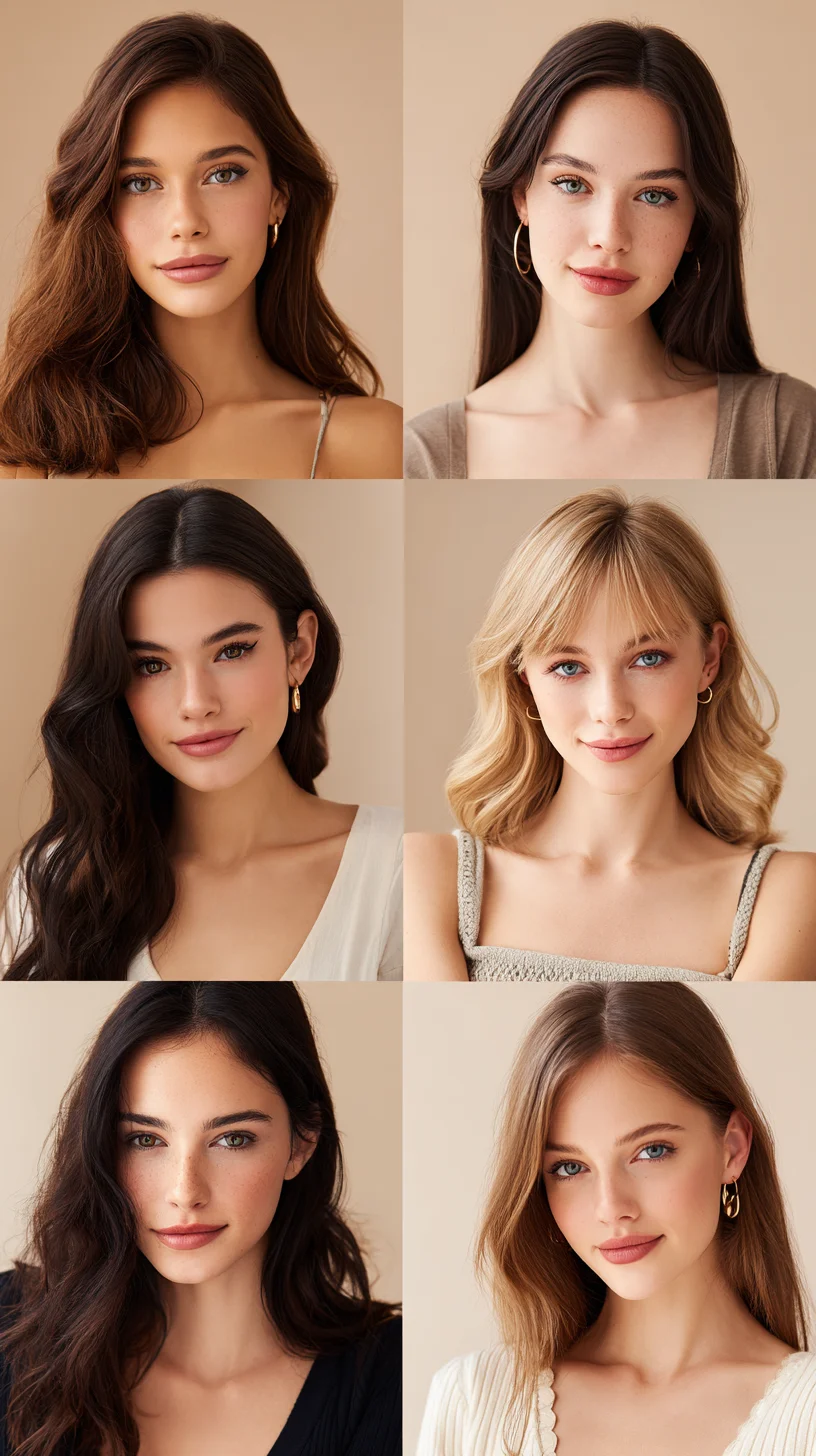
In Africa, where fuller lips and curvier bodies were historically celebrated as symbols of fertility and strength, the narrative is shifting. Nigerian beauty influencers on TikTok often promote lip fillers and nose jobs to achieve a 「slimmer, more refined」 look—code for Eurocentric. Meanwhile, skin-bleaching products, banned in several countries for their toxic ingredients, remain a booming underground market. The cultural cost is staggering: when beauty becomes a global monolith, native ideals aren』t just sidelined—they』re pathologized as 「less than.」
This isn』t mere aesthetics; it』s cultural DNA being rewritten. When a young woman in Brazil opts for a nose job to erase her Indigenous features, or a Chinese client seeks jawline contouring to shed a 「round, peasant face,」 they』re not just altering their appearance—they』re distancing themselves from their heritage. The simplest truth here, per Occam』s Razor, is loss. Globalization, unchecked, risks turning beauty into a one-size-fits-all mold, stripping away the diversity that makes humanity visually and culturally rich.
The Industry』s Role: Profit Over Preservation?
The medical aesthetics industry isn』t a passive bystander—it』s an active player. Clinics and practitioners, chasing market demand, often prioritize procedures that align with global trends over those that honor local beauty. In Thailand, where a round face was once a sign of prosperity, medspas aggressively market jaw-slimming Botox and fillers to create the 「sharp, Western」 look. A 2023 report by ISAPS noted that 85% of aesthetic procedures in Southeast Asia now cater to globalized ideals rather than traditional ones.
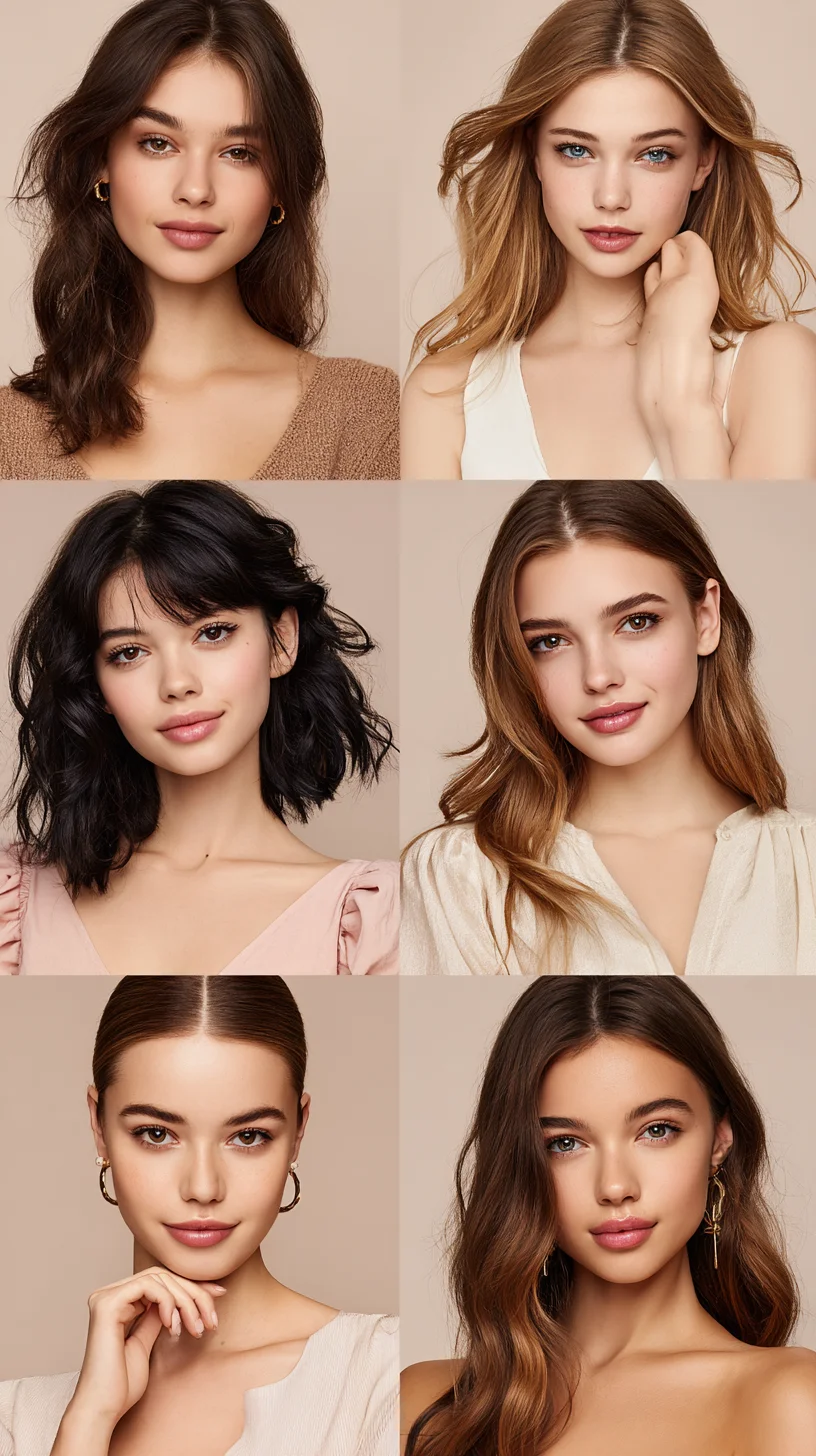
But here』s the rub: the industry thrives on insecurity. Global beauty standards, by design, are unattainable for most. They create a perpetual cycle of 「not enough」—your nose isn』t sharp enough, your skin isn』t light enough, your eyes aren』t big enough. Medspa marketing often amplifies this, with before-and-after photos showcasing transformations that erase cultural markers. The simpler explanation, again, is profit. It』s easier to sell a universal ideal than to educate clients on the beauty of their native features.
Yet, there』s a flip side. The industry also has the power to preserve. Some practitioners are pushing back, advocating for 「enhancement over erasure.」 In Mexico, for instance, certain clinics refuse to perform procedures that drastically alter Indigenous features, instead focusing on subtle enhancements that respect cultural roots. This isn』t just ethical—it』s smart business. A 2022 survey by McKinsey found that 64% of Gen Z consumers value cultural authenticity in beauty services, signaling a growing demand for personalized, heritage-respecting care.
Striking the Balance: A New Aesthetic Compass
So, how do we navigate this tension between global appeal and native identity? The answer lies in redefining beauty as a spectrum, not a standard. Occam』s Razor cuts to the core: the simplest path forward is integration—blending international techniques with cultural sensitivity to create a hybrid aesthetic that honors both.
First, education is key. Practitioners must understand the cultural context of beauty in their region. In the Middle East, where a strong, prominent nose is a traditional marker of beauty, surgeons should counsel clients against unnecessary rhinoplasties pushed by global trends. Training programs for aestheticians should include modules on cultural history, ensuring that 「beauty」 isn』t a synonym for 「Western.」

Second, technology can be a bridge. AI-driven facial analysis tools, now used in many high-end clinics, can map a client』s features and suggest enhancements that align with their ethnic background while subtly incorporating modern trends. For example, instead of pushing for a generic 「Hollywood nose,」 the software might recommend minimal contouring that preserves the client』s natural structure. A 2023 study in Aesthetic Surgery Journal highlighted that 72% of patients preferred personalized recommendations over cookie-cutter transformations when given the option.
Third, the industry must champion diversity in representation. Global beauty brands and medspas should showcase models and clients from varied backgrounds, celebrating features like monolids, broad noses, and deeper skin tones. South Korean brand Laneige made waves in 2021 by featuring models with traditional Korean features alongside Westernized ones, proving that diversity sells—sales spiked by 18% post-campaign.
Finally, clients themselves must be empowered to question the 「why」 behind their choices. Is the desire for a procedure rooted in personal preference, or societal pressure? Medspa consultations should include a cultural sensitivity checklist, prompting reflection on whether the change aligns with identity or erases it. This isn』t just ethical—it builds trust, fostering long-term client relationships.
The Future of Beauty: A Cultural Mosaic, Not a Monolith
Globalization isn』t going away. Medical aesthetics will continue to grow as a borderless industry, with innovations like non-invasive facelifts and gene-editing skincare crossing continents faster than ever. But beauty doesn』t have to be a zero-sum game. Native aesthetics can coexist with global trends if we shift our mindset from replacement to enhancement.
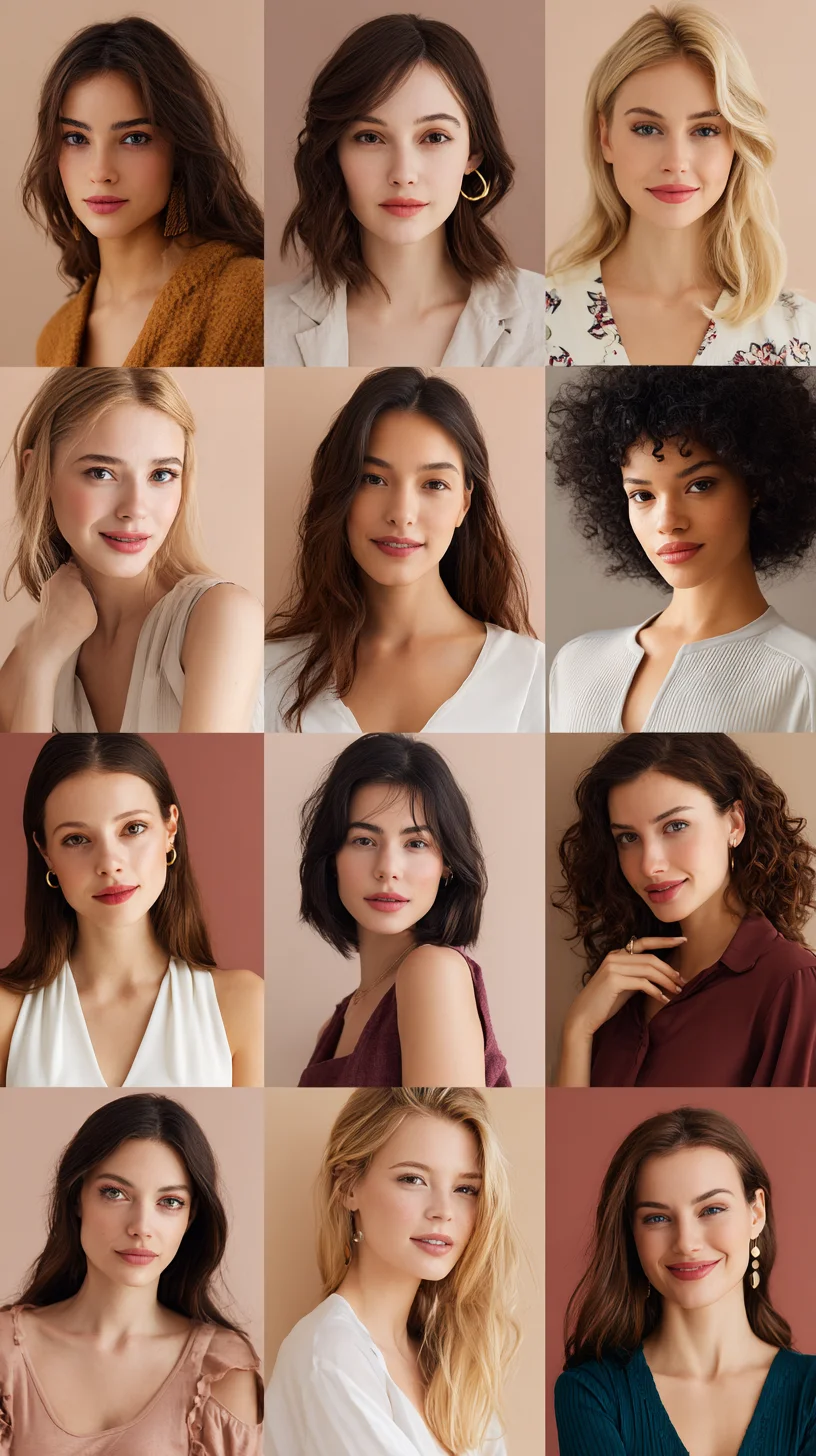
The simplest truth, as Occam』s Razor reveals, is choice. The power lies with practitioners and clients to decide whether beauty will be a melting pot that dissolves differences or a mosaic that celebrates them. In a clinic in Nairobi, a woman might choose lip fillers not to mimic a Western star, but to enhance her natural fullness—a nod to her heritage and her individuality. In Seoul, a man might opt for subtle eyelid surgery that respects his monolid while aligning with his personal style.
This balance isn』t utopian; it』s practical. It』s profitable. And most importantly, it』s human. The globalization of beauty doesn』t have to mean the death of native aesthetics—it can mean their rebirth, reimagined for a connected world. As practitioners, as clients, as cultural stewards, the mirror we hold up should reflect not just one face, but many. Only then can we truly call beauty universal.