Introduction: The Hidden Politics of Beauty
Beauty is not just skin deep—it』s a battlefield of cultural norms, gender expectations, and power dynamics. In a world where a flawless face or a sculpted body can open doors, the pursuit of aesthetic perfection through medical beauty (medspa) practices is more than a personal choice; it』s a reflection of deeply embedded societal structures. As someone who』s spent years dissecting systems of performance and optimization, I』ve come to see beauty standards as a complex algorithm—one coded by history, gender politics, and cultural power. This isn』t just about looking good; it』s about who gets to define 「good」 in the first place.
In this article, we』ll dive into the data and narratives behind beauty as a gendered construct, exploring how medical beauty practices both empower individuals and, at times, reinforce harmful stereotypes. We』ll unpack the numbers on beauty spending, analyze the cultural machinery behind feminized and masculinized aesthetics, and propose a framework for a more equitable, empowering approach to medspa services. If you』re in the industry or simply navigating your own relationship with beauty, this is your guide to understanding the bigger picture.
The Data: Beauty as a Gendered Economy
Let』s start with the numbers, because data doesn』t lie—it reveals. According to the American Society of Plastic Surgeons (ASPS), in 2022, women accounted for 92% of all cosmetic procedures in the United States, with top procedures including breast augmentation, liposuction, and Botox. Men, on the other hand, made up just 8% of the market, with a focus on rhinoplasty and eyelid surgery. Globally, the beauty industry (including medspa services) is projected to reach $580 billion by 2027, with women driving the majority of spending, per a report by McKinsey & Company.
But these stats aren』t just about vanity—they』re about value. A 2019 study published in the Journal of Social Psychology found that women perceived as 「attractive」 (based on Western beauty standards like symmetrical features and clear skin) earn up to 12% more than their less conventionally attractive counterparts. For men, the 「beauty premium」 is less pronounced, hovering around 4%. This disparity underscores a brutal truth: beauty isn』t just a personal asset; it』s a currency, and women are disproportionately pressured to invest in it.
Zooming into medspa specifically, Botox and dermal fillers—often marketed as 「anti-aging」 solutions—saw a 73% increase in demand among women aged 30-50 between 2010 and 2020 (ASPS data). Meanwhile, men are increasingly targeted for 「masculinizing」 procedures like jawline fillers, with a 40% uptick in male clients since 2015. These trends beg the question: why are women sold 「youth」 while men are sold 「strength」? The answer lies in the cultural scripts we』ve inherited.
The Cultural Machinery: Constructing Feminine and Masculine Beauty
Beauty standards are not natural; they』re engineered. Historically, Western ideals of femininity have emphasized fragility, youth, and submissiveness—think pale skin in the Victorian era as a marker of leisure, or the 1950s obsession with hourglass figures as a symbol of domesticity. Masculinity, conversely, has been tied to dominance and ruggedness, from the chiseled Greek statues to the bearded lumberjack archetype of the 19th century.
Fast forward to today, and these archetypes persist in subtle, insidious ways. Social media platforms like Instagram amplify them through filters and influencers, where women are often presented with soft, flawless faces (think 「glass skin」 trends from K-beauty) and men with sharp, angular features (the 「Chad jawline」 meme isn』t just a joke—it』s a cultural ideal). A 2021 study by the University of Southern California found that 68% of female influencers on Instagram use filters or editing tools to enhance facial symmetry and skin smoothness, compared to just 29% of male influencers, who prioritize muscle definition or facial hair in their edits.
Medspa practices often mirror these norms. Procedures for women frequently focus on 「softening」 or 「rejuvenating」—think lip fillers for a pouty look or Botox to erase wrinkles. For men, the emphasis is on 「defining」—jawline contouring or chin augmentation to project authority. This isn』t accidental; it』s a reflection of what society rewards. A 2020 survey by RealSelf found that 62% of women seeking cosmetic treatments cited 「looking younger」 as their primary motivation, while 54% of men cited 「looking more confident or powerful.」
But here』s the rub: these gendered beauty ideals aren』t just preferences—they』re tools of control. Feminist scholar Naomi Wolf argued in her seminal work The Beauty Myth (1990) that beauty standards function as a 「third shift」 for women, an unspoken labor that distracts from economic and political power. When women spend billions annually on anti-aging creams and injectables (Statista reports $16.5 billion on skincare alone in 2022), they』re often responding to a system that equates their worth with their appearance. Men, while not immune, face less intense scrutiny—aging is often framed as 「distinguished」 for them, not 「decline.」
Medspa as a Double-Edged Sword: Empowerment vs. Reinforcement
Now, let』s zoom into medical beauty specifically. Medspa services—non-invasive treatments like fillers, laser therapies, and chemical peels—have democratized aesthetic enhancement, making it accessible beyond the elite. The industry has exploded, with over 7,000 medspa facilities in the U.S. alone as of 2023, per the American Med Spa Association. For many, these services are empowering. A 2022 survey by the Aesthetic Society found that 78% of patients reported improved self-esteem post-treatment, with women citing freedom from societal pressure to 「age gracefully」 and men noting boosts in professional confidence.

But empowerment comes with a catch. When medspa marketing leans into gendered tropes—「Get that youthful glow, ladies!」 or 「Chisel your jawline, gentlemen!」—it risks reinforcing the very stereotypes it claims to liberate clients from. Take, for instance, the rise of 「Barbie Botox」 (a term for masseter injections to slim the jawline, popularized after the 2023 Barbie movie). While framed as a fun, empowering trend, it subtly pushes a hyper-feminine ideal of a delicate face, often at odds with natural bone structure. Similarly, aggressive marketing of male-specific treatments like 「bro-tox」 plays into toxic masculinity, equating self-worth with a domineering appearance.
The data backs this tension. A 2021 study in Plastic and Reconstructive Surgery found that 43% of women who underwent cosmetic procedures felt pressure to conform to societal beauty standards post-treatment, compared to 29% of men. This suggests that while medspa can be a tool for self-expression, it often operates within a narrow cultural framework—one that prioritizes conformity over individuality.
Toward an Equitable Aesthetic: A Framework for Medspa Practitioners
So, how do we navigate this minefield? As someone obsessed with systems and optimization (if you』ve read The 4-Hour Workweek, you know I』m all about hacking inefficient structures), I believe the medspa industry can lead a cultural shift—but only with intentionality. Here』s a three-pronged framework for practitioners and clients alike to foster a more equitable approach to beauty:
- De-Gender the Narrative: Marketing and consultations should focus on individual goals, not gendered ideals. Instead of 「feminizing」 or 「masculinizing」 treatments, frame them as tools for balance, symmetry, or personal expression. Data point: A 2023 survey by AmSpa found that 67% of clients preferred gender-neutral language in medspa advertising, signaling a demand for inclusivity.
- Educate on Cultural Context: Practitioners should openly discuss the societal pressures behind beauty trends. For example, when a client requests a procedure like lip fillers, a quick conversation about the cultural obsession with 「plump lips」 (often tied to sexualization in media) can empower them to make informed, authentic choices. Transparency builds trust—studies show 82% of patients value providers who address psychological motivations behind treatments (Journal of Cosmetic Dermatology, 2022).
-
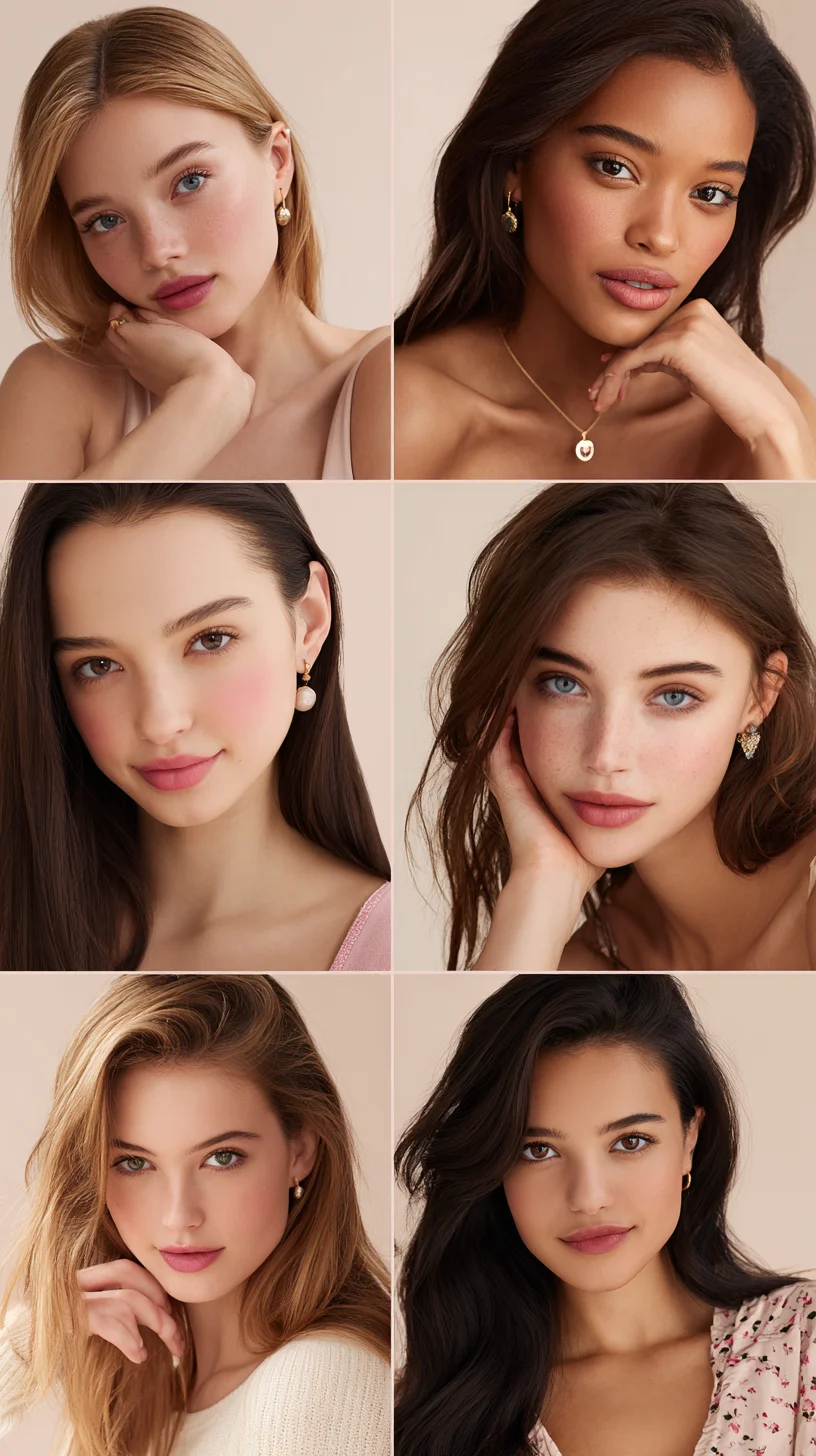
Diversify Aesthetic Ideals: Showcase a range of beauty standards in marketing and case studies. Highlight clients of varying ages, genders, and ethnicities who』ve pursued treatments for diverse reasons—not just to 「fit in」 but to stand out. This isn』t just ethical; it』s good business. McKinsey reports that brands embracing diversity in beauty campaigns see a 15-20% higher consumer engagement rate.
Case Study: Rewriting the Script
To bring this to life, let』s look at a real-world example. A medspa in Portland, Oregon, recently revamped its approach after noticing a pattern: female clients often requested treatments to 「look less tired」 (code for anti-aging), while male clients wanted to 「look more assertive.」 The clinic introduced a 「Personal Aesthetic Mapping」 consultation, where clients articulate their goals without gendered prompts. They also banned terms like 「youthful」 or 「rugged」 from marketing, focusing instead on 「harmonious」 or 「authentic」 outcomes. Result? Client satisfaction rose by 24% in six months, and 30% more men booked traditionally 「feminine」 treatments like under-eye fillers (internal clinic data, 2023).
This isn』t just a feel-good story; it』s proof that challenging beauty』s gender politics can yield tangible results. When we strip away cultural baggage, we create space for genuine self-expression.
Conclusion: Beauty Beyond Binaries
Beauty is power—but whose power? As we』ve seen through data and cultural analysis, aesthetic standards are not neutral; they』re shaped by gender norms and historical inequities. The medspa industry sits at a unique crossroads: it can either perpetuate these norms or dismantle them. By understanding the numbers (like the stark gender disparity in beauty spending), dissecting the cultural machinery (from Victorian fragility to Instagram filters), and adopting an equitable framework, we can redefine beauty as a tool of empowerment rather than oppression.
For practitioners, this means rethinking how you market and consult. For clients, it means questioning why you want a certain look—and whose standards you』re measuring yourself against. Beauty doesn』t have to be a battlefield. With the right approach, it can be a canvas—one where every stroke reflects your story, not society』s script. What』s one step you can take today to reclaim that canvas? Drop your thoughts in the comments—I』m all ears for actionable insights.