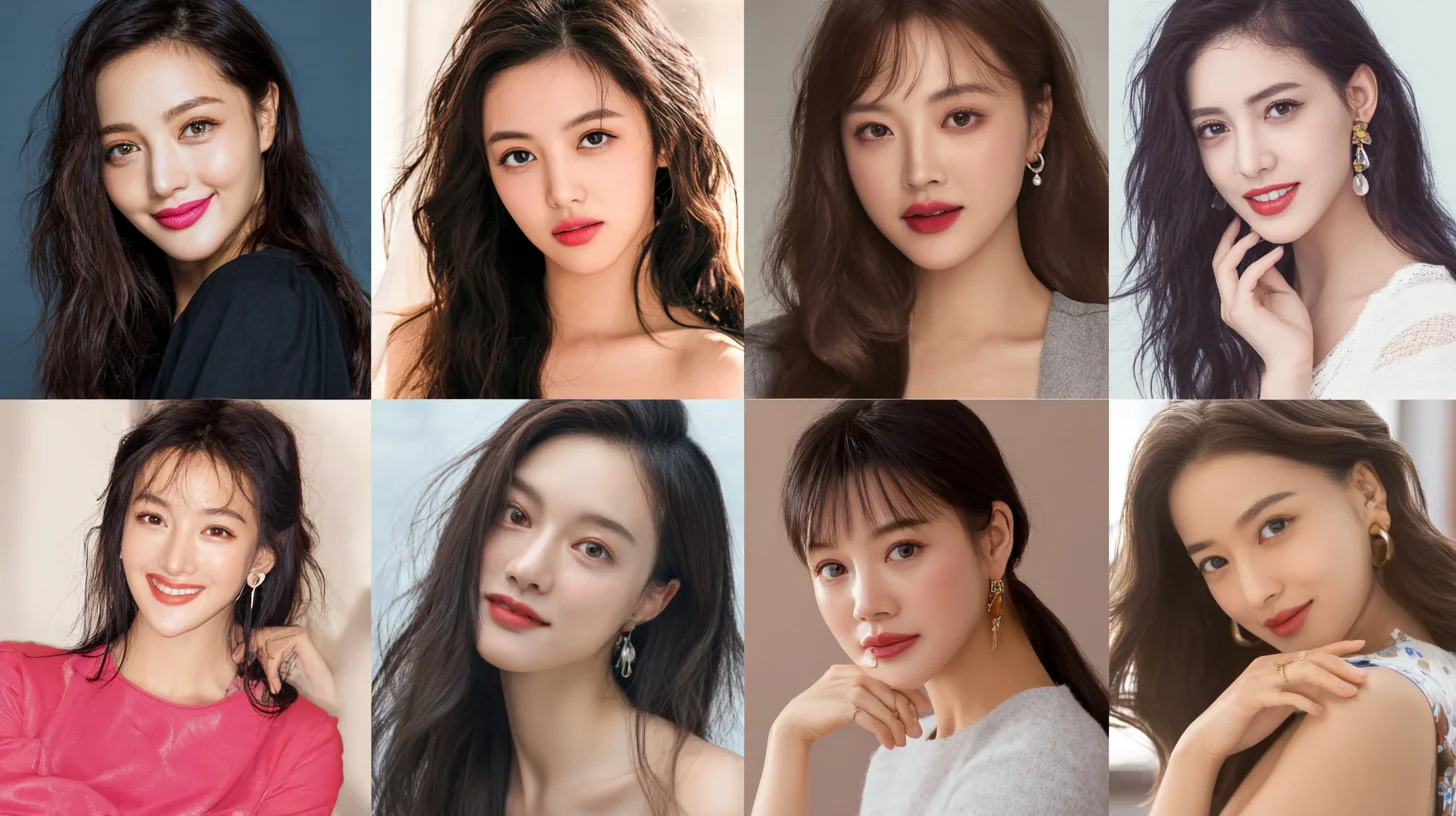
I remember standing in front of my bathroom mirror at sixteen, a cheap drugstore concealer in hand, desperately trying to cover a constellation of acne across my cheeks. I wasn』t just hiding blemishes; I was hiding myself—or at least the version of myself I』d been taught to reject. Every swipe of that sticky beige paste felt like a small act of surrender to a world that told me 「beautiful」 was non-negotiable for a girl. I didn』t question it then. I didn』t ask who decided that smooth, flawless skin was the hallmark of femininity, or why I felt compelled to chase it at all costs. But years later, as I』ve navigated the intricate world of medical aesthetics, those questions have become impossible to ignore. Beauty isn』t just personal. It』s political. It』s gendered. And it』s a battlefield where power dynamics play out on the canvas of our skin.
Today, as we peer deeper into the mirror of medspa culture and beauty standards, we uncover a reflection not just of ourselves, but of the cultural and gender norms that shape us. The pursuit of beauty—whether through a skincare routine, a Botox injection, or a surgical enhancement—carries layers of meaning beyond the surface. It』s a practice embedded in a web of societal expectations, historical constructs, and power struggles. In this exploration, we』ll dissect how beauty standards are weaponized to reinforce gender norms, how medical aesthetics can both liberate and confine, and how we might reimagine beauty as a tool for empowerment rather than oppression.
The Historical Gaze: Beauty as a Gendered Construct
Let』s step back in time for a moment. Picture the corseted women of the Victorian era, their waists cinched to impossible proportions, fainting from the sheer effort of breathing. Or consider the ancient Chinese practice of foot-binding, where girls』 feet were broken and bound to create a 「lotus」 shape deemed delicate and desirable. These weren』t mere fashion trends; they were brutal assertions of gendered ideals. Beauty, in these contexts, was synonymous with restriction—physical, social, and psychological. Women were molded into objects of aesthetic pleasure, their worth tied to how well they embodied fragility and submission.
Fast forward to the 21st century, and while the corsets have been replaced by contouring kits, the underlying narrative persists. Beauty standards for women often emphasize traits historically coded as feminine: softness, youth, and passivity. Think of the obsession with plump lips, long lashes, and a dewy complexion—attributes that signal a kind of approachable, non-threatening allure. Conversely, male beauty standards lean toward ruggedness and strength, with chiseled jawlines and muscular builds symbolizing dominance and control. These aren』t random preferences; they』re the residue of centuries-old gender roles, where women are positioned as the 「looked-at」 and men as the 「lookers.」
This dichotomy isn』t just cultural trivia—it』s a power structure. French philosopher Michel Foucault once wrote about the 「gaze,」 the way society monitors and disciplines bodies through invisible but pervasive scrutiny. Women, in particular, internalize this gaze, policing themselves to fit the mold of 「beautiful.」 Every time a woman opts for a filler to smooth a wrinkle or a man hits the gym to bulk up for that 「ideal」 physique, they』re responding to a script written long before they were born. The question is: who benefits from this script? Often, it』s not the individual staring into the mirror, but the systems—patriarchal, capitalist, or otherwise—that profit from our insecurities.
Medspa Culture: Liberation or Reinforcement?
Enter the world of medical aesthetics, a multi-billion-dollar industry that promises transformation at the tip of a needle or the edge of a scalpel. On one hand, medspas offer a radical form of agency. A woman who chooses liposuction to reclaim confidence after childbirth, or a man who opts for hair restoration to combat balding, is exercising control over their body in a way that wasn』t possible a century ago. I』ve seen clients walk out of treatment rooms with a renewed sense of self, their smiles brighter not just from a procedure but from the feeling of ownership over their appearance. In this light, medspas can be spaces of empowerment, where beauty becomes a personal choice rather than a societal mandate.
But there』s a shadow side. The medspa industry often operates within the same gendered framework it claims to transcend. Walk into any clinic, and you』ll likely see marketing materials targeting women with promises of 「youthful radiance」 or 「feminine curves,」 while men are pitched 「stronger features」 or 「executive presence.」 Procedures are coded along binary lines, reinforcing the idea that beauty must align with traditional gender norms. A 2021 study by the American Society of Plastic Surgeons revealed that women account for over 90% of cosmetic procedures, with top treatments focusing on facial rejuvenation and body contouring—areas tied to societal expectations of femininity. Meanwhile, men』s procedures often emphasize enhancement of 「masculine」 traits, like jawline definition or muscle augmentation.
This isn』t just about numbers; it』s about narrative. The language of medspas often frames beauty as a problem to be solved, particularly for women. Wrinkles aren』t just signs of aging; they』re 「flaws」 that threaten your value. Cellulite isn』t a natural texture; it』s a defect to be erased. I』ve sat with clients who tearfully confess they 「don』t feel like themselves」 without a certain procedure, not because they inherently dislike their features, but because they』ve been taught to see them as inadequate. Here, medspas risk becoming complicit in a cycle of shame, where the pursuit of beauty isn』t a choice but a compulsion driven by external pressures.
The Intersection of Race, Class, and Gender in Beauty Politics
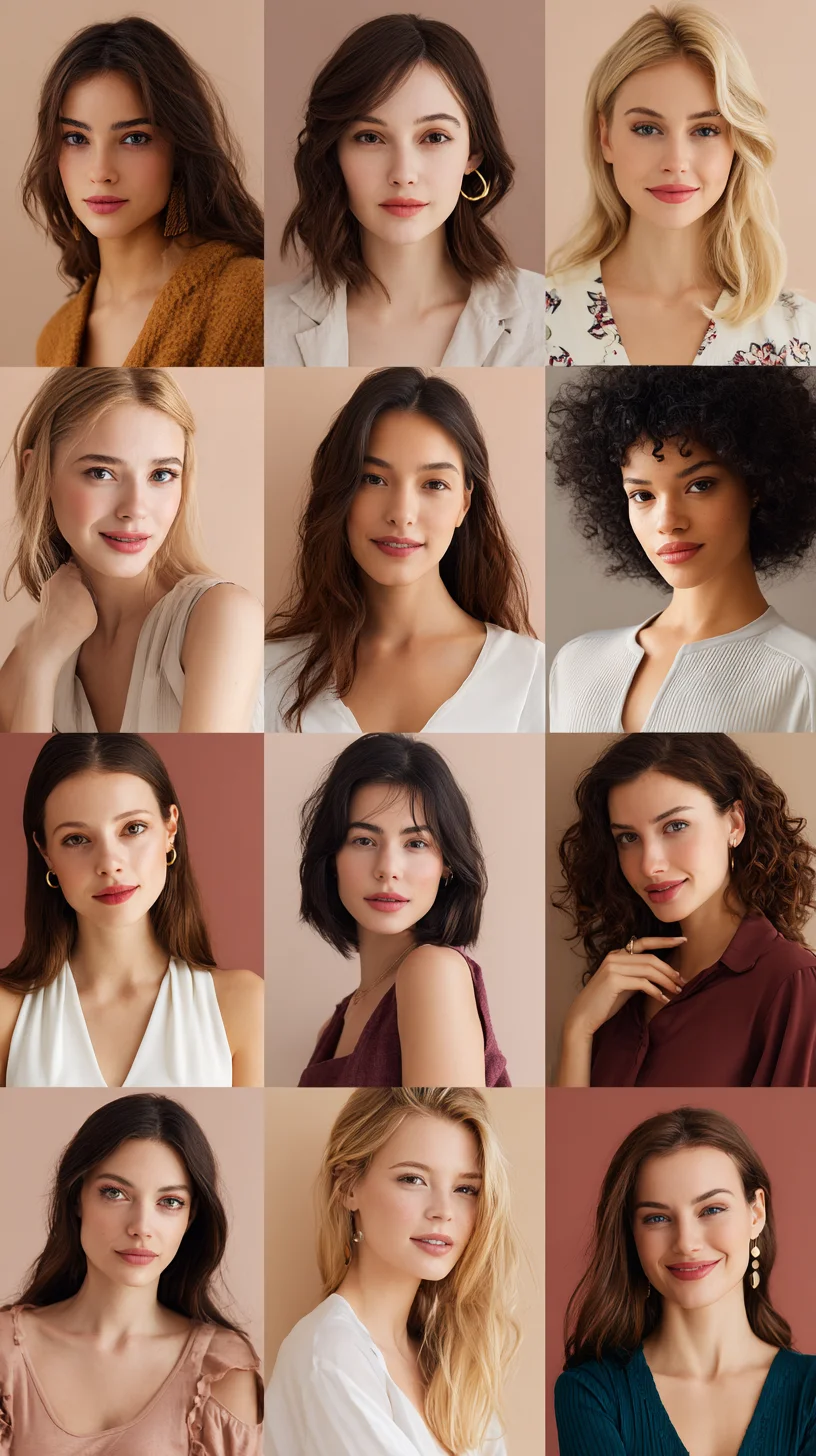
The story of beauty and gender doesn』t exist in a vacuum—it』s tangled with other axes of power like race and class. Consider the Eurocentric beauty standards that dominate global media: light skin, narrow noses, and straight hair have long been upheld as the pinnacle of attractiveness, often at the expense of marginalized groups. In many cultures, skin-lightening products are marketed aggressively to women, promising not just beauty but social mobility—a direct link between whiteness and worth. A 2019 report by Global Industry Analysts projected the global skin-lightening market to reach $31.2 billion by 2024, with much of the demand driven by postcolonial legacies of colorism.
Class plays a role too. Access to medspa services is often a privilege reserved for those who can afford it, creating a hierarchy where beauty becomes a status symbol. A perfectly sculpted face or a designer body isn』t just aesthetic; it』s a signal of wealth and access. For women, especially, this can amplify gendered pressures—beauty isn』t just expected, it』s a currency in social and professional spheres. I』ve spoken to clients who feel they 「can』t afford」 to age naturally, not because of personal vanity, but because their careers or relationships seem to hinge on maintaining a certain look. The intersectionality of these forces—gender, race, and class—reveals beauty as a site of systemic inequality, not just individual choice.
Reimagining Beauty: A Path Toward Empowerment
So where do we go from here? How do we engage with beauty—personally and professionally—without perpetuating harmful norms? As someone who works in the medspa industry, I believe the first step is awareness. We must recognize the cultural baggage that beauty carries and question the standards we』ve inherited. This means challenging the binary frameworks that dictate what』s 「feminine」 or 「masculine」 and embracing a spectrum of expressions. A client seeking a procedure should be met with curiosity, not assumption—why do they want this change, and is it truly for themselves, or for a gaze they』ve internalized?
Education is another cornerstone. Medspa professionals have a responsibility to inform clients about the origins of beauty ideals and the unrealistic expectations often peddled by media. I』ve started incorporating these conversations into consultations, asking clients to reflect on what 「beautiful」 means to them, beyond the Instagram filters or magazine covers. It』s a small shift, but it plants a seed of critical thinking, encouraging them to define beauty on their terms.
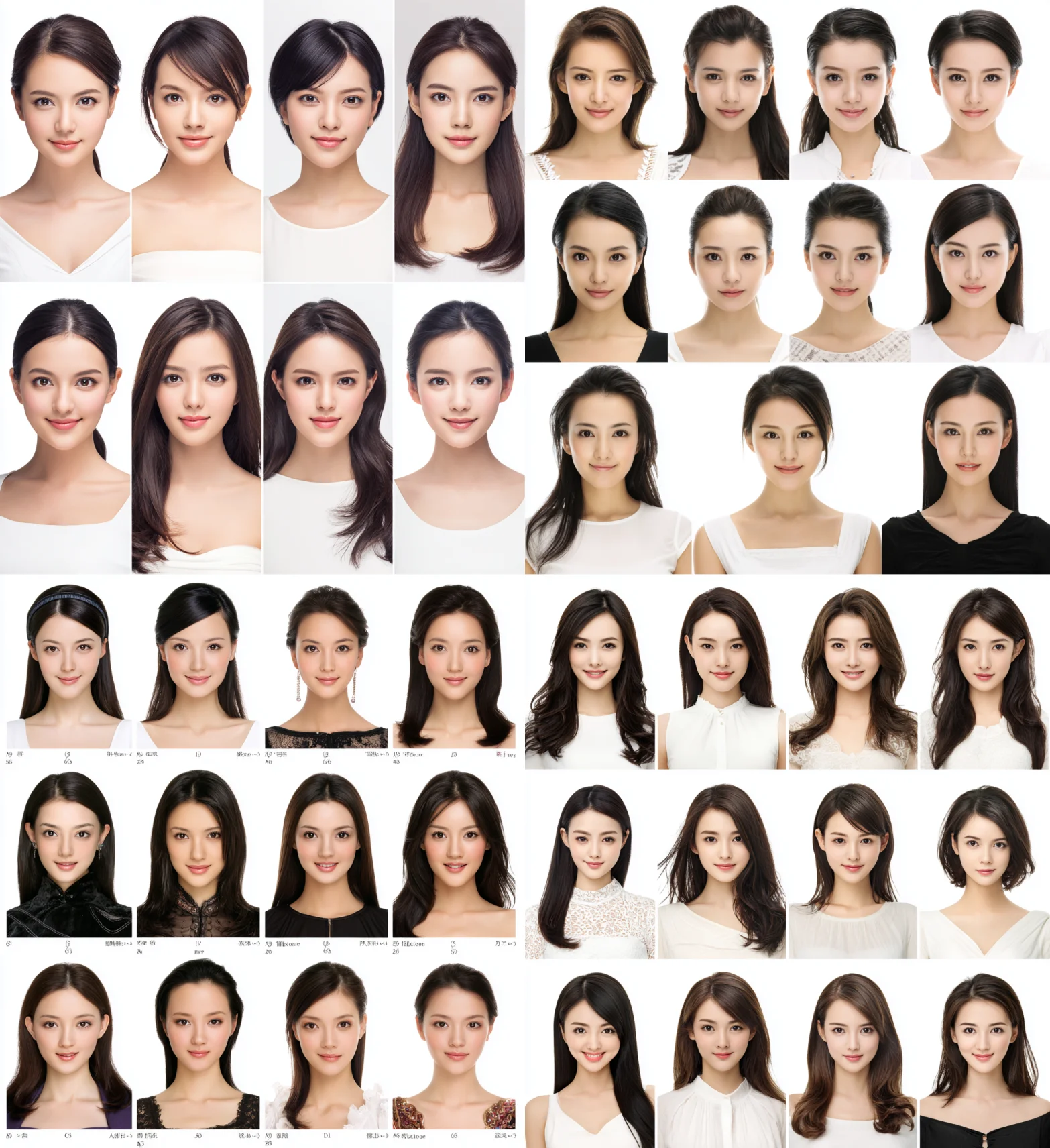
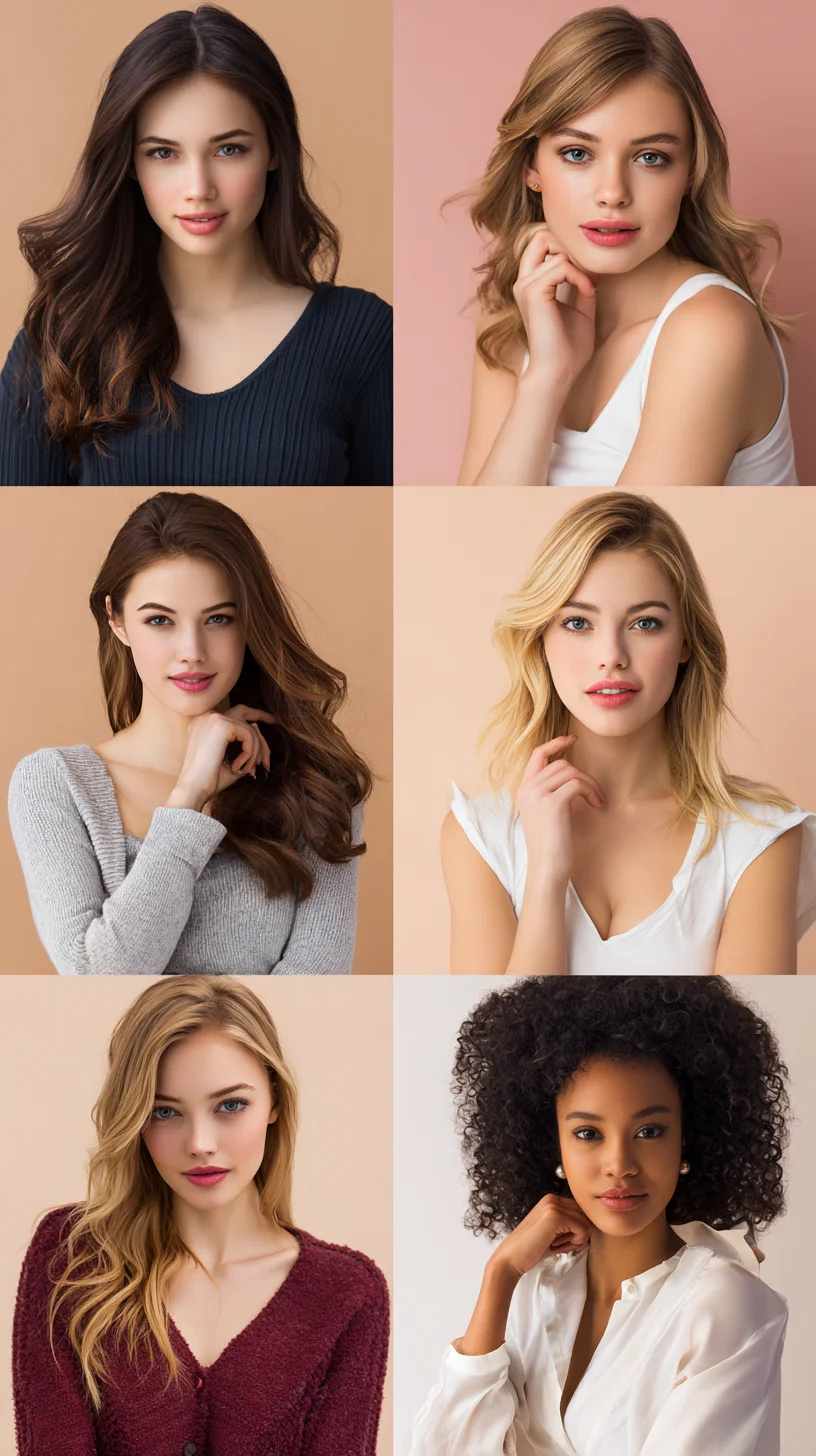
Finally, the industry itself must evolve. This means diversifying representation in marketing—featuring bodies of all shapes, sizes, ages, and ethnicities—and rethinking the language of transformation. Instead of 「fixing flaws,」 we can focus on 「enhancing uniqueness.」 It』s about shifting the narrative from shame to celebration, from conformity to individuality. Some clinics are already pioneering this approach, offering gender-neutral services and promoting self-expression over societal compliance. These are steps toward a future where beauty isn』t a battlefield, but a canvas for authentic identity.
Looking Beyond the Mirror
As I think back to that sixteen-year-old girl in front of the mirror, I wish I could tell her that beauty isn』t a mandate. It』s not a checklist of traits or a mold to fit into. It』s a story we write for ourselves, if only we can silence the noise of cultural scripts and gendered expectations. The medspa industry, at its best, can be a partner in this rewriting—a space where individuals reclaim their reflection, not as a site of judgment, but as a source of power.
But this requires us to look beyond the mirror, to see the invisible forces shaping our desires and decisions. Beauty standards are not neutral; they』re constructs of gender, race, and class, designed to uphold certain hierarchies. By understanding these dynamics, we can approach beauty with intention, using tools like medical aesthetics to affirm rather than erase who we are. The journey isn』t easy. It demands courage to question norms, empathy to support others, and a commitment to redefine what』s possible. But if we can do this, we might just transform the mirror from a site of scrutiny into a window of liberation.