Introduction: The Canvas of the Human Face
Imagine standing before a masterpiece in a gallery, captivated by its beauty yet unable to pinpoint why it resonates so deeply. Now, picture the human face as that masterpiece—a complex, three-dimensional canvas where every line, curve, and shadow tells a story of harmony or discord. In the world of medical aesthetics, facial analysis isn』t just about observing; it』s about decoding. It』s the foundational skill that transforms a casual observer into a discerning professional, capable of articulating why a face is perceived as beautiful or where its balance falters. This isn』t a superficial glance at features but a meticulous study that blends science, art, cultural nuance, and individual expression.
As a medspa professional or aesthetic practitioner, mastering facial analysis is your first step across the threshold of expertise. It』s the difference between saying, 「This looks good,」 and explaining, 「This works because of proportional harmony and cultural resonance.」 In this exploration, we』ll dissect the principles of facial analysis, uncover the frameworks that define beauty, and guide you toward a deeper understanding of the face as a living work of art.
The Science of Beauty: Beyond Surface-Level Observation
Facial analysis begins with a fundamental truth: beauty is not random. While personal taste varies, there are universal principles that underpin aesthetic appeal. One of the most well-known frameworks is the Golden Ratio, a mathematical proportion (approximately 1:1.618) that has guided artists and architects for centuries. In facial terms, this ratio often manifests in the ideal proportions of the eyes, nose, and mouth relative to the overall face. For instance, the width of the mouth should ideally be 1.618 times the width of the nose, while the distance from the chin to the nose should relate proportionally to the nose-to-forehead distance.
But let』s be clear: the Golden Ratio is a starting point, not a rigid rule. Faces that deviate from this ideal can still be striking—think of the unconventional beauty of models like Kate Moss, whose features challenge classical proportions yet exude undeniable charisma. This is where facial analysis evolves from a mere measurement exercise into an art form. As practitioners, we must train our eyes to see beyond numbers and recognize how asymmetry, unique bone structures, or even a subtle scar can contribute to a person』s allure.
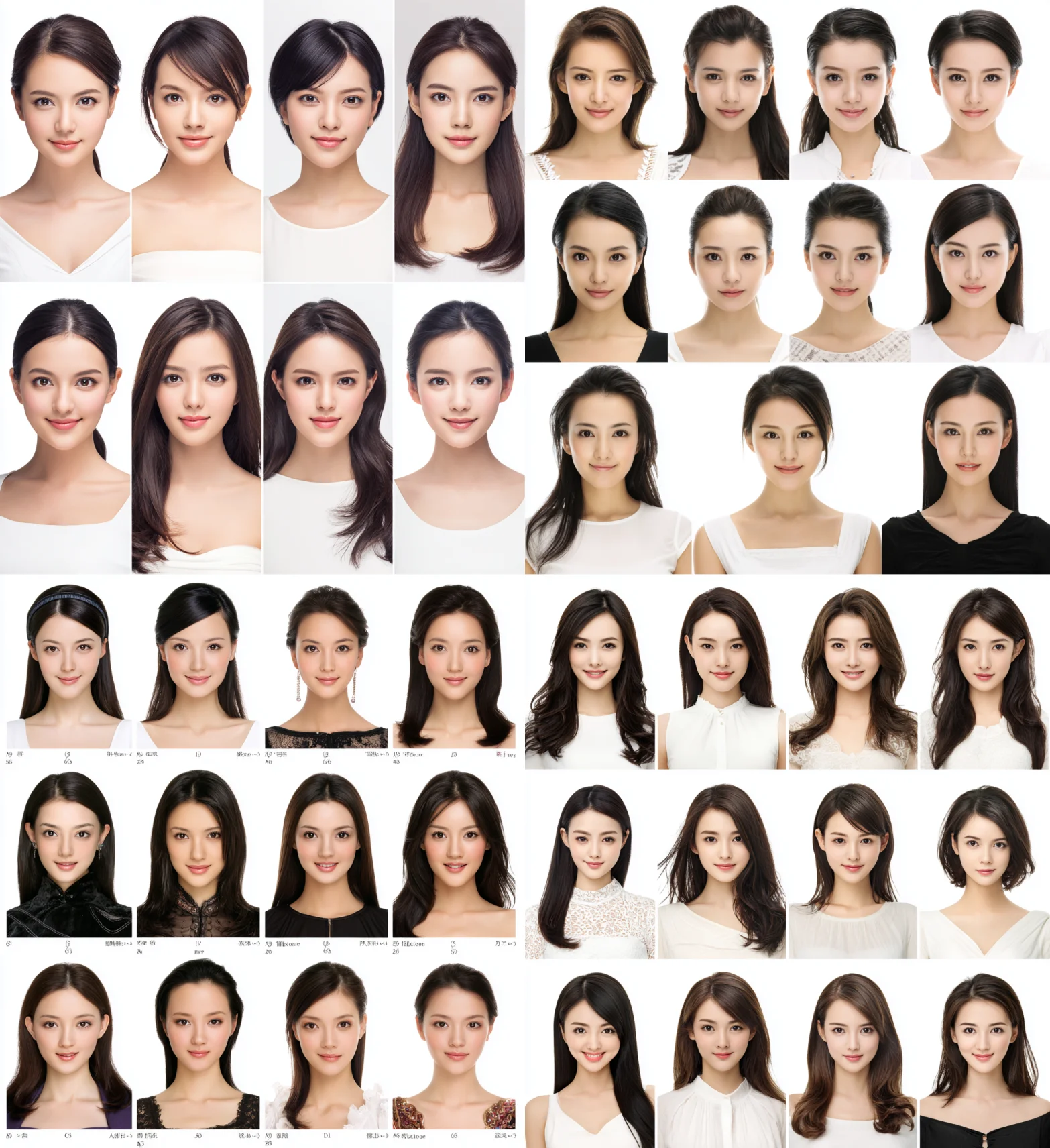
Modern tools like 3D imaging and facial mapping software have revolutionized how we apply these principles. These technologies allow us to break down a face into precise measurements—zygomatic width, mandibular angle, nasal projection—and compare them against aesthetic ideals. Yet, technology is only a tool. The true skill lies in interpreting these data points through the lens of individuality. A face that scores perfectly on a computer algorithm may lack the warmth or personality that makes it memorable. Our role is to balance objective analysis with subjective appreciation, ensuring that interventions enhance rather than erase what makes a person unique.
Cultural Lenses: Redefining Beauty Across Borders
Beauty is not a monolith; it』s a mosaic shaped by culture, history, and societal norms. Facial analysis in medical aesthetics demands an awareness of these differences to avoid imposing a one-size-fits-all standard. In Western ideals, a defined jawline and high cheekbones often signify strength and attractiveness, reflecting a cultural emphasis on individualism and assertiveness. Contrast this with East Asian standards, where softer, more rounded features and a V-shaped jawline are often prized, symbolizing youthfulness and harmony—a reflection of collectivist values.
Consider the nose as a case study. In many Middle Eastern cultures, a prominent nasal bridge is celebrated as a sign of character and heritage, while in some Western contexts, a smaller, upturned nose might be idealized. As practitioners, we must navigate these preferences with sensitivity. A client seeking rhinoplasty may not want a 「perfect」 nose by universal metrics but one that aligns with their cultural identity or personal vision. This is where consultation becomes an exercise in listening as much as analyzing. We must ask: What does beauty mean to this individual? What story do they want their face to tell?
Moreover, globalization and social media have blurred traditional boundaries, creating hybrid beauty standards. The rise of K-pop and Bollywood influences has popularized features like double eyelids or fuller lips across diverse demographics. This cultural interplay challenges us to stay informed and adaptable, ensuring our analyses are not rooted in outdated stereotypes but in the dynamic, evolving language of beauty.

The Three Pillars of Facial Analysis: Structure, Proportion, and Expression
To conduct a comprehensive facial analysis, we can break the process into three interconnected pillars: structure, proportion, and expression. Each offers a unique perspective on the face, and together, they form a holistic framework for understanding and enhancing beauty.
1. Structure: The Foundation of the Face
Structure refers to the underlying architecture of the face—bone, muscle, and fat distribution. The skeletal framework dictates much of what we perceive as balance or imbalance. For example, a recessed chin can make the nose appear disproportionately large, while prominent cheekbones can elevate the overall harmony of the face. Understanding structure is critical for procedures like fillers or orthognathic surgery, where the goal is often to restore or enhance the natural scaffolding.
Fat pads also play a pivotal role. In youth, these pads are plump and evenly distributed, contributing to a smooth, rounded appearance. As we age, they descend or atrophy, leading to hollows under the eyes or sagging jowls. A skilled practitioner can identify these structural shifts and recommend targeted interventions—whether it』s volumizing with fillers or tightening with threads—to mimic the face』s youthful blueprint.
2. Proportion: The Dance of Measurements
Proportion is where the Golden Ratio and other metrics come into play, but it』s not just about symmetry. It』s about how each feature relates to the whole. A common tool here is the 「rule of thirds,」 which divides the face vertically into three equal segments: forehead to eyebrows, eyebrows to nose tip, and nose tip to chin. Significant deviations from this balance can draw attention for the wrong reasons. For instance, an overly long midface might make the eyes appear too close together, even if they』re perfectly spaced.
Horizontal proportions matter too. The 「rule of fifths」 suggests the face should be divisible into five equal vertical sections, each roughly the width of one eye. When analyzing a client, I often start by mentally mapping these divisions to identify areas of imbalance. Is the forehead too wide? Are the eyes too far apart? These observations guide treatment plans, whether it』s narrowing a jawline with Botox or enhancing lip volume to balance a broader lower face.

3. Expression: The Soul of Beauty
Expression is the most intangible yet powerful pillar. A face can be structurally sound and proportionally ideal, yet lack vitality if it doesn』t convey emotion or personality. Dynamic features—how the face moves when smiling, frowning, or speaking—often matter more than static measurements. A slightly asymmetrical smile might be more charming than a perfectly even one, while overly tight skin from excessive Botox can rob a face of its expressiveness.
As practitioners, we must prioritize treatments that preserve or enhance natural expression. This means avoiding the 「frozen」 look and focusing on subtle enhancements that allow the face to remain a living canvas of emotion. During analysis, observe how a client』s features animate. Do their eyes crinkle authentically when they laugh? Does their brow lift expressively? These nuances inform how we approach injectables or surgical interventions, ensuring the end result feels alive, not artificial.
From Analysis to Action: Bridging Theory and Practice
Facial analysis is not an academic exercise; it』s a practical tool that directly informs treatment planning. Let』s consider a hypothetical case: a 35-year-old woman seeking facial rejuvenation. She feels her face looks 「tired」 but can』t articulate why. A surface-level assessment might suggest under-eye fillers for dark circles, but a deeper analysis reveals more.
Structurally, her midface has lost volume, causing her cheeks to flatten and accentuating nasolabial folds. Proportionally, her lower face appears heavier due to early jowling, disrupting the ideal thirds. Expressively, her smile feels strained, likely due to tension in the masseter muscles. A comprehensive plan might include cheek fillers to restore midface volume, a subtle jawline contour with Botox to address muscle tension, and a light touch of lip filler to rebalance proportions. Each intervention is rooted in the analysis, addressing not just symptoms but underlying causes.

This process also highlights the importance of communication. Clients may come with preconceived ideas—perhaps influenced by social media filters or celebrity looks—that don』t suit their unique features. Our role is to educate, using our analysis to explain why certain treatments will enhance their natural beauty while others might clash with their facial harmony. It』s about guiding them from 「I want to look like this」 to 「I want to look like the best version of myself.」
The Ethical Dimension: Beauty as Empowerment, Not Conformity
As we delve into the intricacies of facial analysis, we must confront an ethical responsibility. Beauty is a powerful force, but it can also be a source of pressure and insecurity. Our analyses and recommendations should never push clients toward a homogenized ideal but empower them to embrace their individuality. This means challenging unrealistic expectations and advocating for treatments that enhance rather than erase personal identity.
Consider the rise of 「Instagram face」—a term describing the cookie-cutter look of overfilled lips, sharp cheekbones, and narrow noses popularized by filters and influencers. While some clients may request this aesthetic, our duty is to analyze whether it suits their facial structure and long-term well-being. Sometimes, saying 「no」 or offering alternatives is the most professional response, even if it risks losing a sale. True expertise lies in building trust through honesty, not in chasing trends.
Conclusion: Mastering the Art and Science of the Face
Facial analysis is the cornerstone of medical aesthetics, a discipline that marries precision with creativity. It』s about seeing the face as more than a collection of features but as a unique interplay of structure, proportion, and expression, shaped by cultural and personal narratives. By honing this skill, we move beyond subjective opinions of beauty to objective insights, enabling us to craft treatments that resonate on a profound level.

For aspiring practitioners, the journey begins with observation. Study faces—your own, your clients』, even strangers』—and ask: What makes this face compelling? Where does its balance lie? Over time, you』ll develop an intuitive sense for harmony, backed by the analytical frameworks we』ve discussed. This is not just a professional skill but a transformative lens, one that reveals the artistry inherent in every human face. As you stand before your next 「canvas,」 remember: you』re not just analyzing features; you』re uncovering stories, histories, and identities waiting to be celebrated.