The Problem: Why Does Beauty Feel So Elusive in Medspa Treatments?
Have you ever walked out of a medspa appointment feeling like something was just… off? Maybe your filler looks a bit too pronounced, or that Botox treatment smoothed out your expressions but left you looking strangely artificial. As a medspa professional or even a client, it』s frustrating when results don』t align with the vision of 「beauty」 you had in mind. The root of this problem often lies in a lack of understanding of the deeper principles that define beauty. Without a foundation in aesthetics, treatments can feel like guesswork—chasing trends rather than crafting timeless allure.
In today』s fast-paced medspa industry, practitioners are often trained in techniques and products but rarely in the philosophy of beauty itself. This gap creates inconsistent results, leaving clients unsatisfied and professionals struggling to elevate their craft. So, how do we bridge this divide? How do we move from mechanical procedures to creating artful, harmonious transformations?
The Solution: Grounding Medspa Practices in Western Aesthetic Principles
The answer lies in the rich history of Western aesthetics—a tradition spanning from ancient Greece to modern minimalism—that has shaped how we perceive beauty for centuries. These principles aren』t just abstract ideas; they are practical frameworks that can guide medspa treatments to achieve results that resonate on a deeper, almost instinctual level. Let』s explore how key Western aesthetic concepts, rooted in cultural and philosophical contexts, can transform your approach to medical aesthetics.
1. The Golden Ratio: Ancient Greece』s Blueprint for Harmony
In ancient Greece, beauty was synonymous with balance and proportion, epitomized by the Golden Ratio (approximately 1:1.618). This mathematical principle was believed to underpin the ideal structure of everything—from architecture like the Parthenon to the human face. Philosophers like Plato and mathematicians like Euclid saw this ratio as a reflection of divine order, a universal truth that transcended personal taste.

In medspa practices, the Golden Ratio offers a measurable guide for facial symmetry and proportion. For instance, when assessing a client』s face for filler or contouring, practitioners can map key ratios—such as the distance between the eyes compared to the width of the nose, or the length of the face relative to its width—to identify areas that may feel 「off-balance.」 A 2019 study published in Aesthetic Surgery Journal found that faces adhering closer to the Golden Ratio were consistently rated as more attractive across diverse cultural groups, underscoring its timeless relevance.
However, the Greek ideal wasn』t just about numbers; it was deeply tied to the concept of kalokagathia—the unity of physical beauty and moral goodness. This reminds us that medspa treatments should not only aim for visual harmony but also enhance a client』s confidence and inner radiance. When applying this principle, ask yourself: Does this treatment create balance that feels natural and uplifting to the client』s spirit?
2. The Renaissance Ideal: Humanism and the Celebration of Individuality
Fast forward to the Renaissance, a period that revived Greek ideals but layered them with a new philosophy: humanism. Artists like Leonardo da Vinci and Michelangelo studied human anatomy with scientific precision, portraying the body as a microcosm of divine perfection. Da Vinci』s Vitruvian Man illustrates this obsession with proportion, while Michelangelo』s sculptures emphasize musculature and individuality as markers of beauty.
For medspa practitioners, the Renaissance teaches us to celebrate the unique canvas of each client. While the Golden Ratio provides a starting point, strict adherence to a universal standard can erase personal character. A Renaissance-inspired approach might involve customizing treatments—such as tailoring lip filler to complement a client』s unique smile lines or using non-surgical rhinoplasty to refine a nose in a way that honors ethnic heritage. The goal is to enhance, not erase, individuality.

Moreover, the Renaissance obsession with light and shadow (chiaroscuro) can inform techniques like contouring with dermal fillers. Just as painters used light to sculpt form on canvas, practitioners can use volume to define cheekbones or jawlines, creating depth that mimics the natural interplay of light on the face. This isn』t just technique; it』s art informed by centuries of aesthetic theory.
3. Baroque Drama: Emotional Impact Through Exaggeration
The Baroque era, spanning the 17th and early 18th centuries, shifted beauty toward drama and emotion. Artists like Caravaggio and Bernini used bold contrasts, dynamic compositions, and exaggerated forms to evoke awe and passion. Beauty became less about static perfection and more about storytelling—think of the swirling energy in Bernini』s Ecstasy of Saint Teresa.
In a medspa context, Baroque aesthetics can inspire treatments that make a statement. For clients seeking a bold transformation—perhaps a dramatically defined jawline or voluptuous lips—this era』s emphasis on impact can guide your approach. However, the Baroque also warns against excess; drama must be purposeful, not chaotic. A heavy hand with filler or an overly frozen Botox result can tip into caricature, losing the emotional resonance that Baroque beauty sought to achieve.
Consider a client who wants a 「wow」 factor for a special event. Drawing on Baroque principles, you might enhance their features with strategic volume and definition, ensuring the result feels dynamic yet cohesive. The key is to evoke emotion—whether it』s confidence, allure, or power—rather than simply altering appearance for the sake of change.
4. Modernism and Minimalism: Beauty in Simplicity
By the 20th century, Western aesthetics took a sharp turn with modernism and minimalism, rejecting ornate excess in favor of simplicity and function. Architects like Le Corbusier and designers like Bauhaus pioneers believed beauty lay in clean lines and purposeful design. In visual arts, minimalism stripped away embellishment to focus on essence—think of a Rothko painting』s pure color fields.
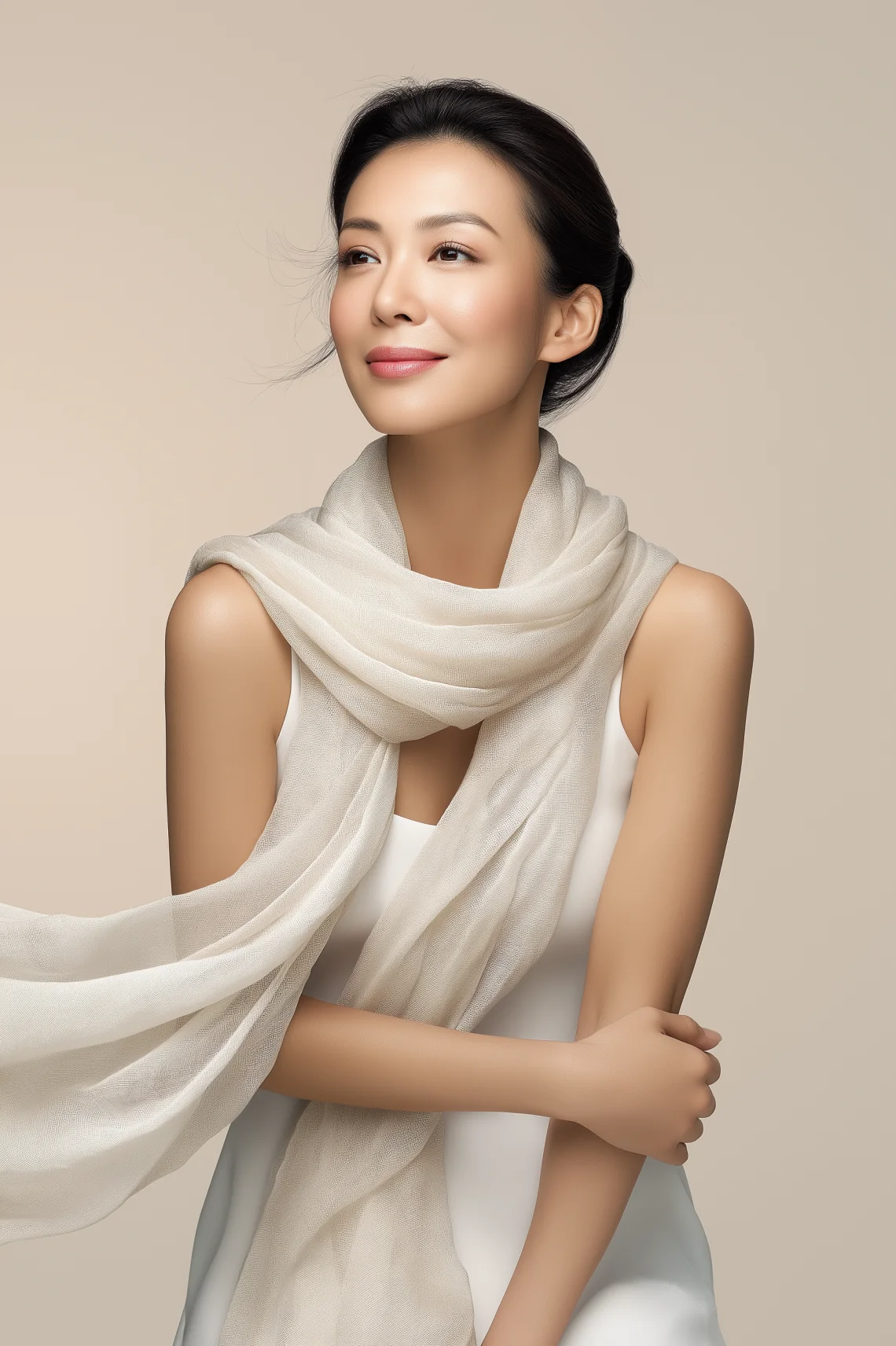
For medspa professionals, this translates to the 「less is more」 philosophy that dominates contemporary beauty standards. Over-treatment is a common pitfall in aesthetics—too much filler, too much Botox, too much intervention can obscure natural beauty. Modernist principles encourage subtle enhancements that preserve authenticity. For example, instead of overfilling lips to follow a trend, consider micro-dosing filler to enhance their natural shape, aligning with the minimalist ethos of refinement over reinvention.
Minimalism also ties into the modern client』s desire for efficiency and sustainability. Treatments that offer natural results with minimal downtime (like skin boosters or laser resurfacing) reflect the modernist ideal of form following function. As practitioners, adopting this mindset ensures that interventions are not only beautiful but also practical for the client』s lifestyle.
Applying Western Aesthetics: A Practical Framework
To integrate these historical principles into your medspa practice, start by assessing each client through a multi-lens approach:
- Analyze Proportion (Greek): Use tools like facial mapping software or calipers to identify Golden Ratio alignments and areas of imbalance.
-
Honor Individuality (Renaissance): Customize treatments based on the client』s unique features and personal story, avoiding cookie-cutter templates.
-
Consider Impact (Baroque): For clients seeking bold results, design treatments with emotional resonance, ensuring drama doesn』t cross into excess.
-
Embrace Subtlety (Modernism): Prioritize natural, sustainable enhancements that align with the client』s lifestyle and long-term goals.
Additionally, educate yourself on the cultural and philosophical underpinnings of these aesthetics. Beauty isn』t just skin-deep; it』s a reflection of societal values and human experience. By understanding the 「why」 behind these ideals, you can communicate more effectively with clients, helping them articulate their vision and trust your expertise.

The Benefits: Transforming Your Medspa Practice with Timeless Wisdom
Grounding your medspa practice in Western aesthetic principles offers profound rewards for both you and your clients. First, it elevates your work from mere procedure to artistry. Clients will notice the difference when treatments are informed by a deeper understanding of beauty—they』ll feel seen, understood, and transformed in a way that transcends temporary trends. A 2021 survey by the American Society of Plastic Surgeons found that 78% of patients valued personalized, natural-looking results over dramatic overhauls, aligning with the balanced ideals of historical aesthetics.
Second, this approach builds trust and loyalty. When you can explain why a certain treatment enhances a client』s features—whether it』s referencing the harmony of the Golden Ratio or the emotional impact of Baroque drama—you position yourself as an expert, not just a technician. This credibility fosters long-term relationships, turning one-time clients into lifelong advocates.
Finally, embracing these principles sharpens your own skills. Studying Western aesthetics isn』t a one-time lesson; it』s a lifelong journey of refining your eye for beauty. Over time, you』ll develop an intuitive sense for proportion, balance, and impact, allowing you to innovate and adapt as trends evolve. You』ll not only keep up with the industry—you』ll lead it.
Conclusion: Beauty as a Timeless Art Form
The pursuit of beauty in medspa practices doesn』t have to be a shot in the dark. By drawing on the rich tapestry of Western aesthetics—from the mathematical precision of ancient Greece to the minimalist elegance of modernism—you can create transformations that are both scientifically sound and artistically profound. These principles aren』t relics of the past; they are living tools that can elevate every syringe, every laser, every consultation into a masterpiece.

So, the next time you』re planning a treatment, take a moment to step back and ask: What story am I telling with this transformation? What timeless ideal am I channeling? Beauty isn』t just a result—it』s a legacy. And with the wisdom of Western aesthetics at your fingertips, you have the power to craft legacies that endure.